
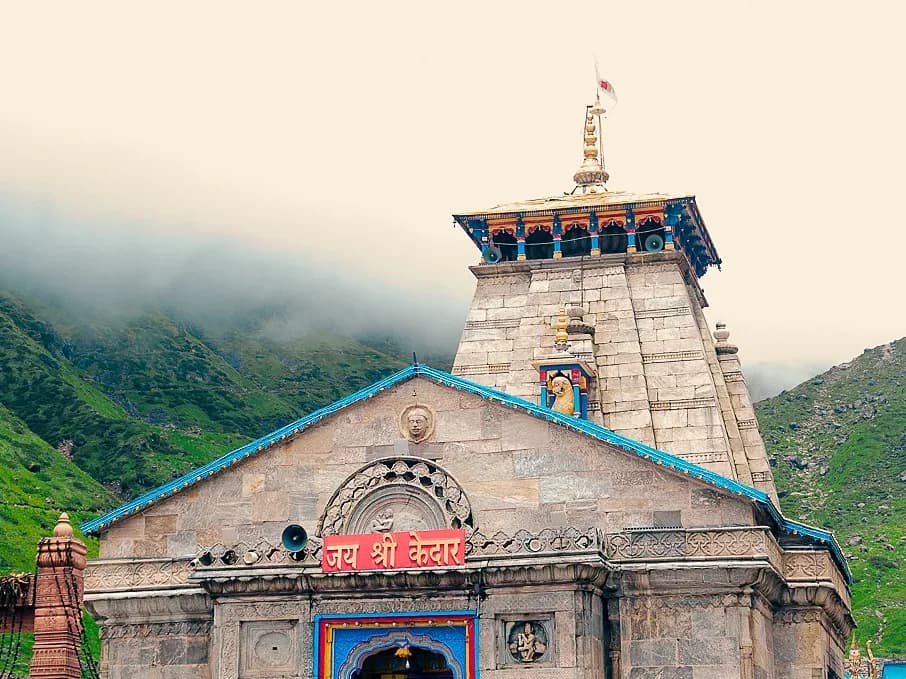
Char Dham
- Season May to November
- 12 days
- Dates to be announced
Yamunotri, Gangotri, Kedarnath and Badrinath: the four seats of the long pilgrimage. Also walked as Do Dham, Kedarnath and Badrinath.
Yoga Yatra · Devbhoomi
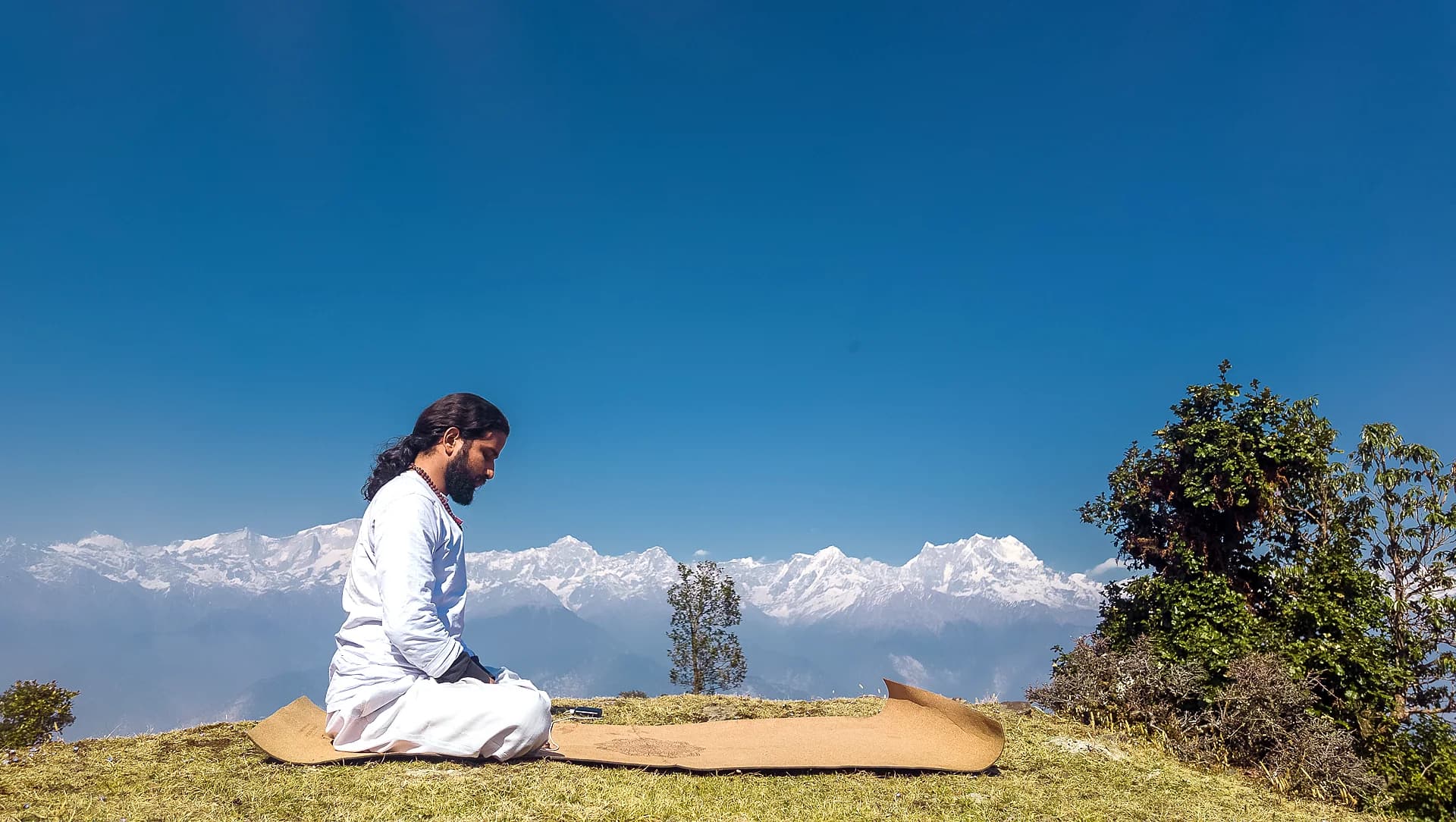
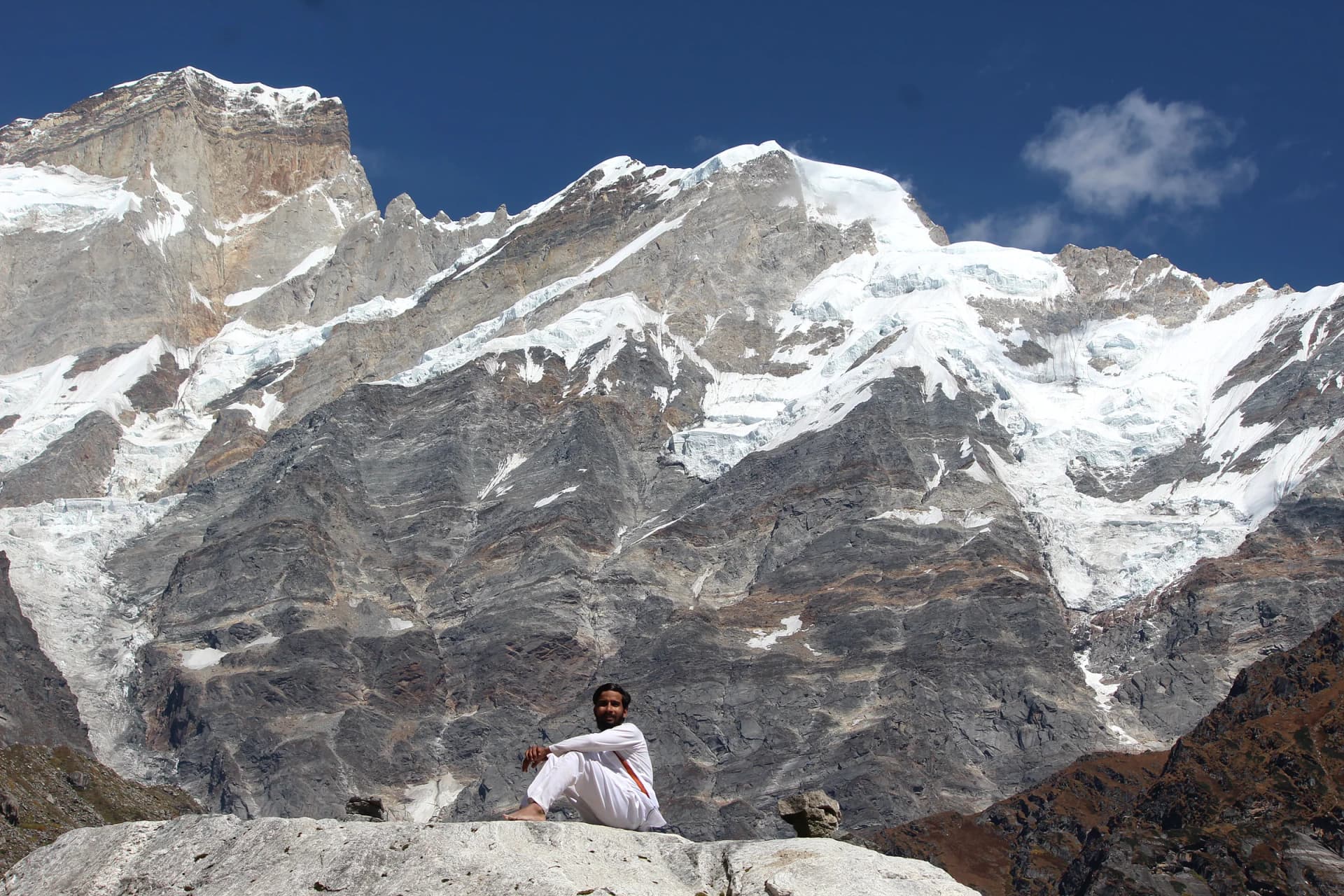
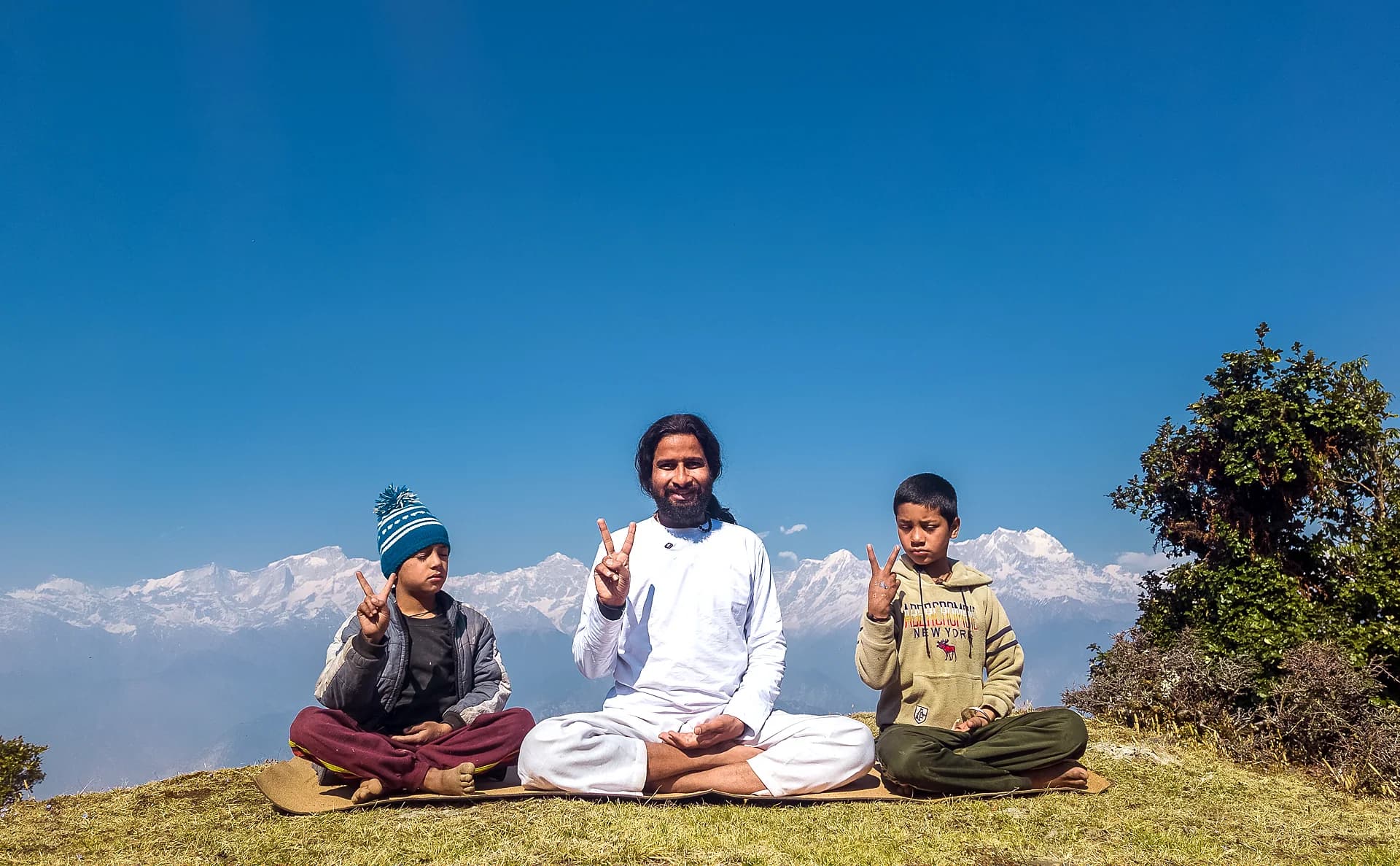
Char Dham · Panch Kedar · Panch Kailash · Kailash Mansarovar. Trek into the Himalayas, practise yoga and meditation along the way, and walk the ancient paths to the sacred temples. Led by Yogaacharya Manish, who spent nearly three years in sadhana at Kedarnath.
The call of the mountains
The Himalayas were the first teachers. Silence was the first guide. The breath was the first mantra.
Yoga Yatra is a movement back to the roots of yoga: back to the mountains, back to nature, back to devotion. It is not a tour, not a trekking package, and not sightseeing with yoga added to it. It is sadhana in motion: yoga practised in how you walk, how you breathe, how you eat, what you notice and what you let go of along the way.
Why it exists
Seekers wanted to walk into the mountains with someone who knows the land and the routes. Teachers wanted something real to offer their students. And too many people travel across the world looking for spiritual depth and never move beyond Rishikesh.
Protecting Devbhoomi
This land is not a destination. It is Devbhoomi, the land of gods, rishis and yogis. Yoga Yatra travels differently, and asks the same of everyone who walks with us: move quietly, carry out what you carry in, enter temples and villages as a guest. We would rather take fewer people well than more people quickly.
What it is
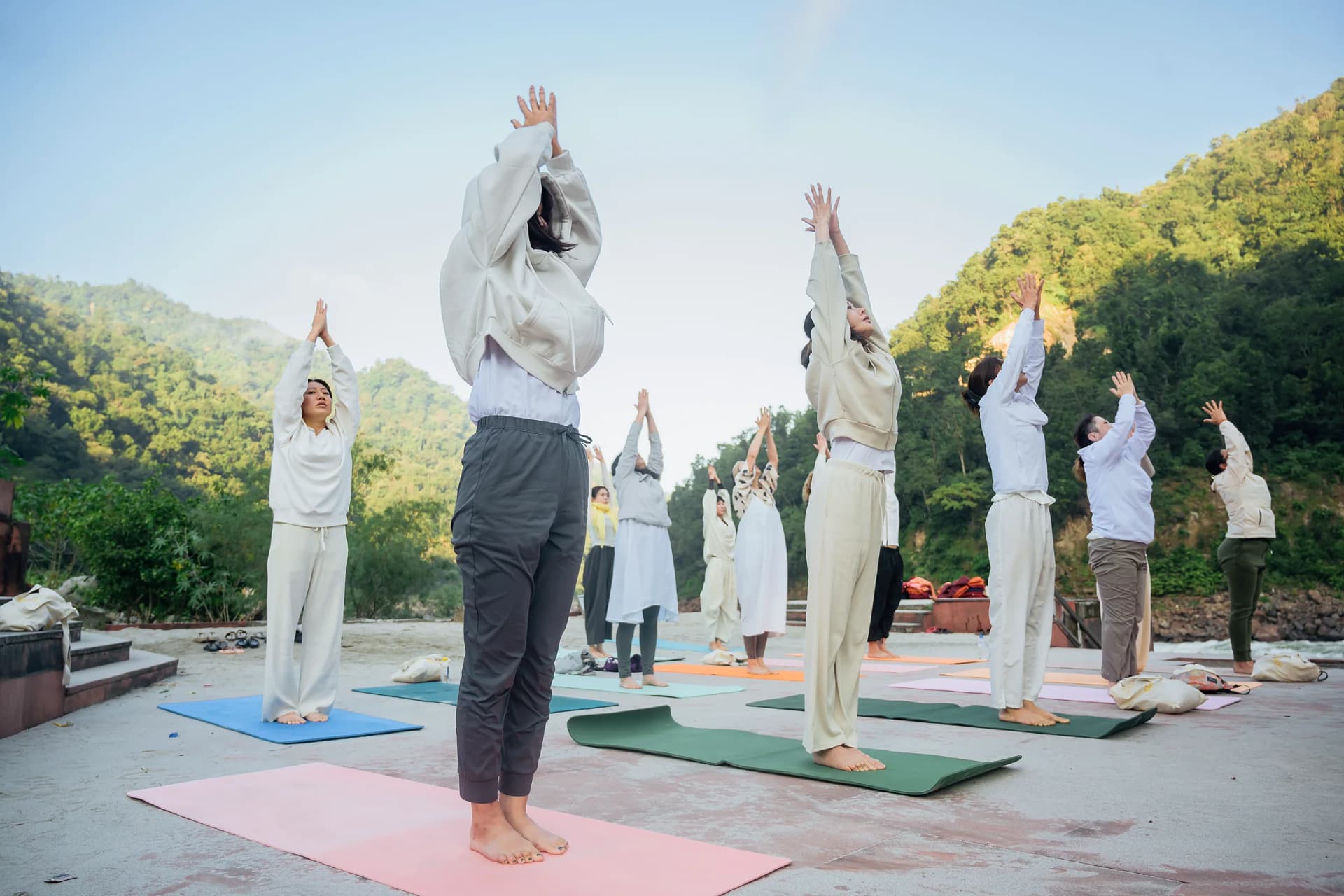
The practice is not only on the mat. It is in the walking, the breathing, the eating, the watching, the quiet.
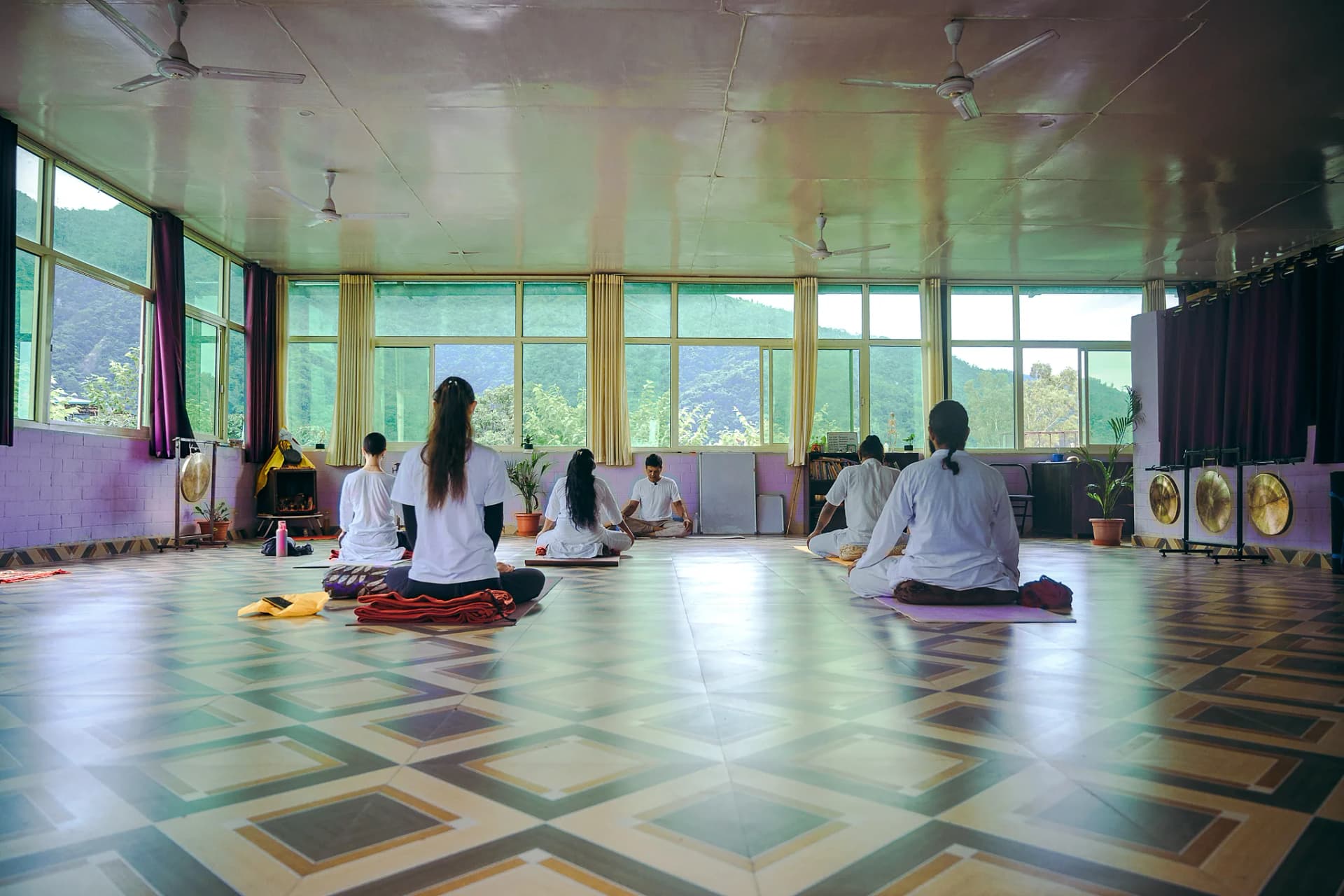
A temple, a cave, a river, a forest: approached with attention, not ticked off a list.
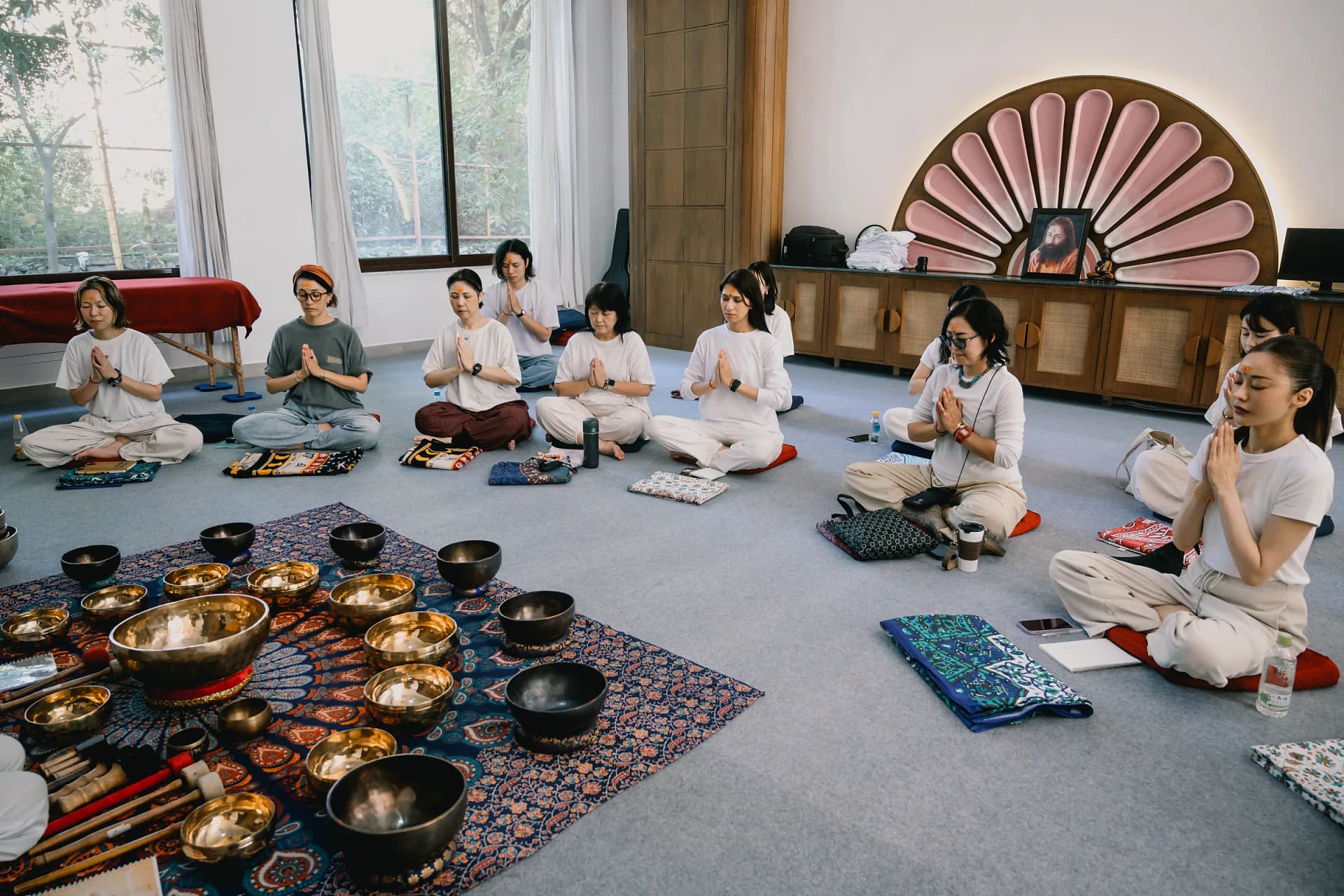
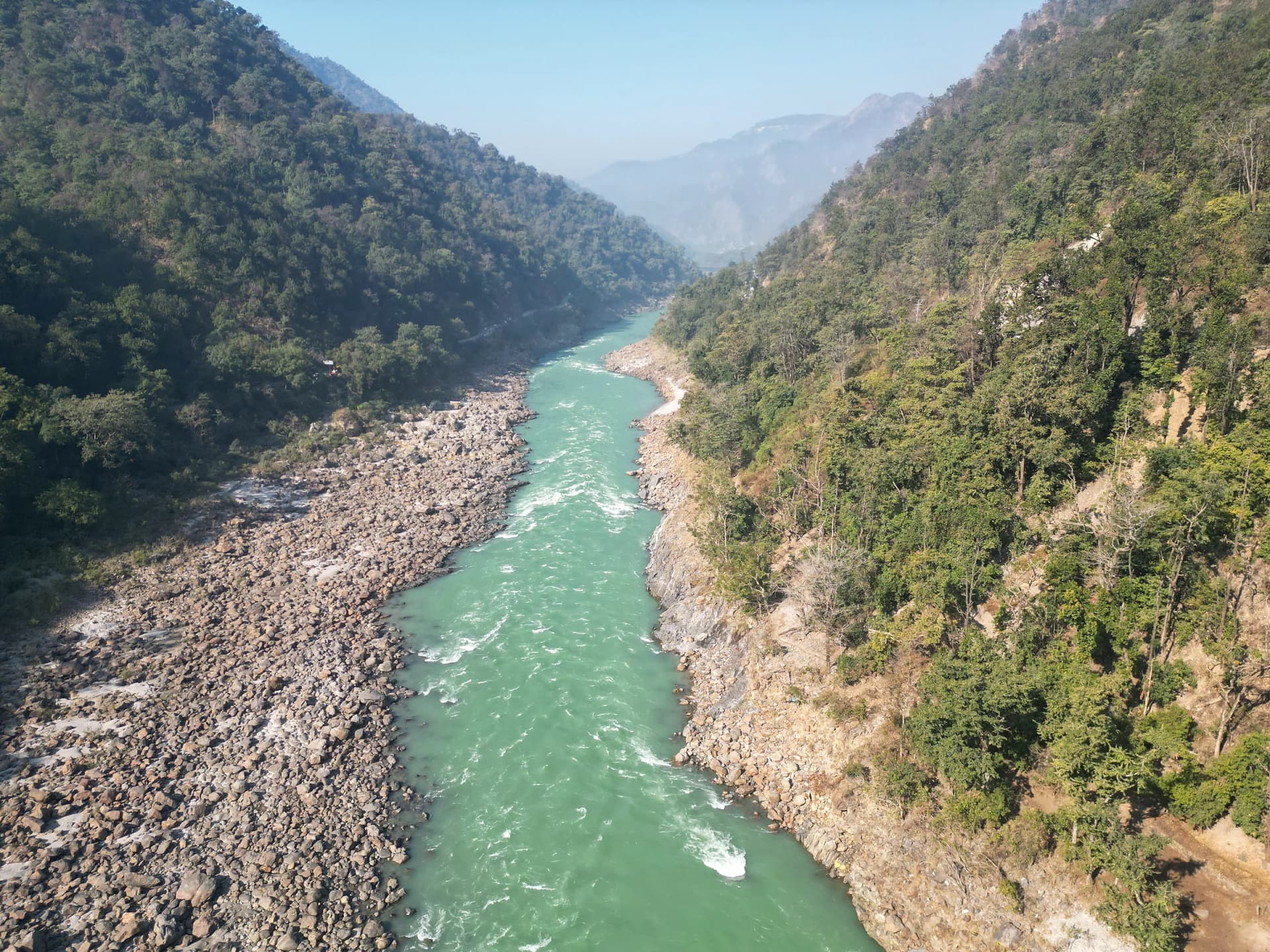
Kedarnath, Badrinath, Tungnath, Gangotri, Yamunotri, Guptkashi, and the ashrams, kutirs and villages between them.
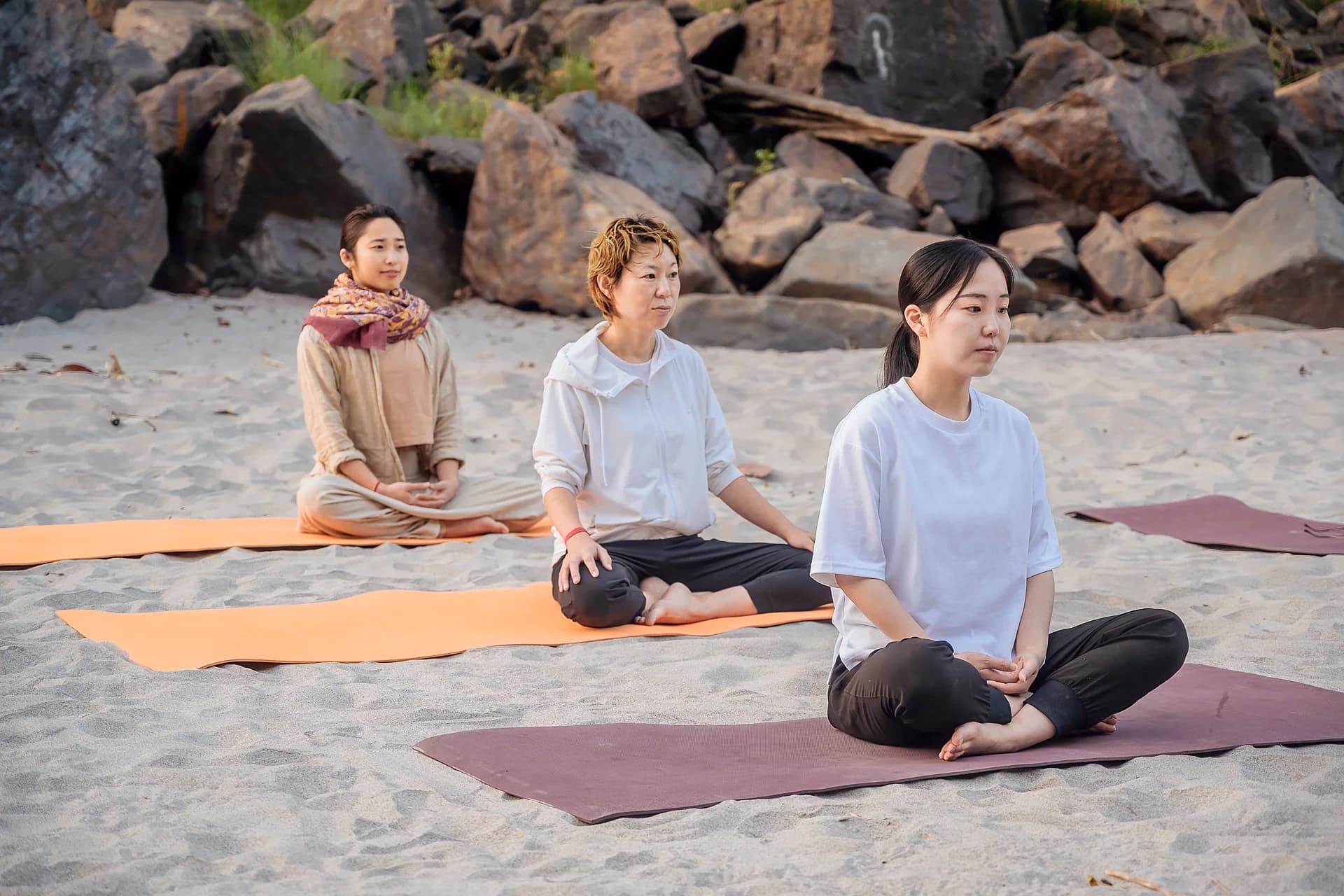
Thoughts soften. What seemed important rearranges itself. The journey outward turns inward.
Choose a yatra
The best known, and the ones most people ask for first.
Yamunotri, Gangotri, Kedarnath and Badrinath: the four seats of the long pilgrimage. Also walked as Do Dham, Kedarnath and Badrinath.
The five temples of Shiva, walked in order: the hump at Kedarnath, the arms at Tungnath, the face at Rudranath, the navel at Madhyamaheshwar, the hair at Kalpeshwar. Walking them in order is walking the whole form.
Rudranath at 18–20 km is the hard one.
Ask about Panch Kedar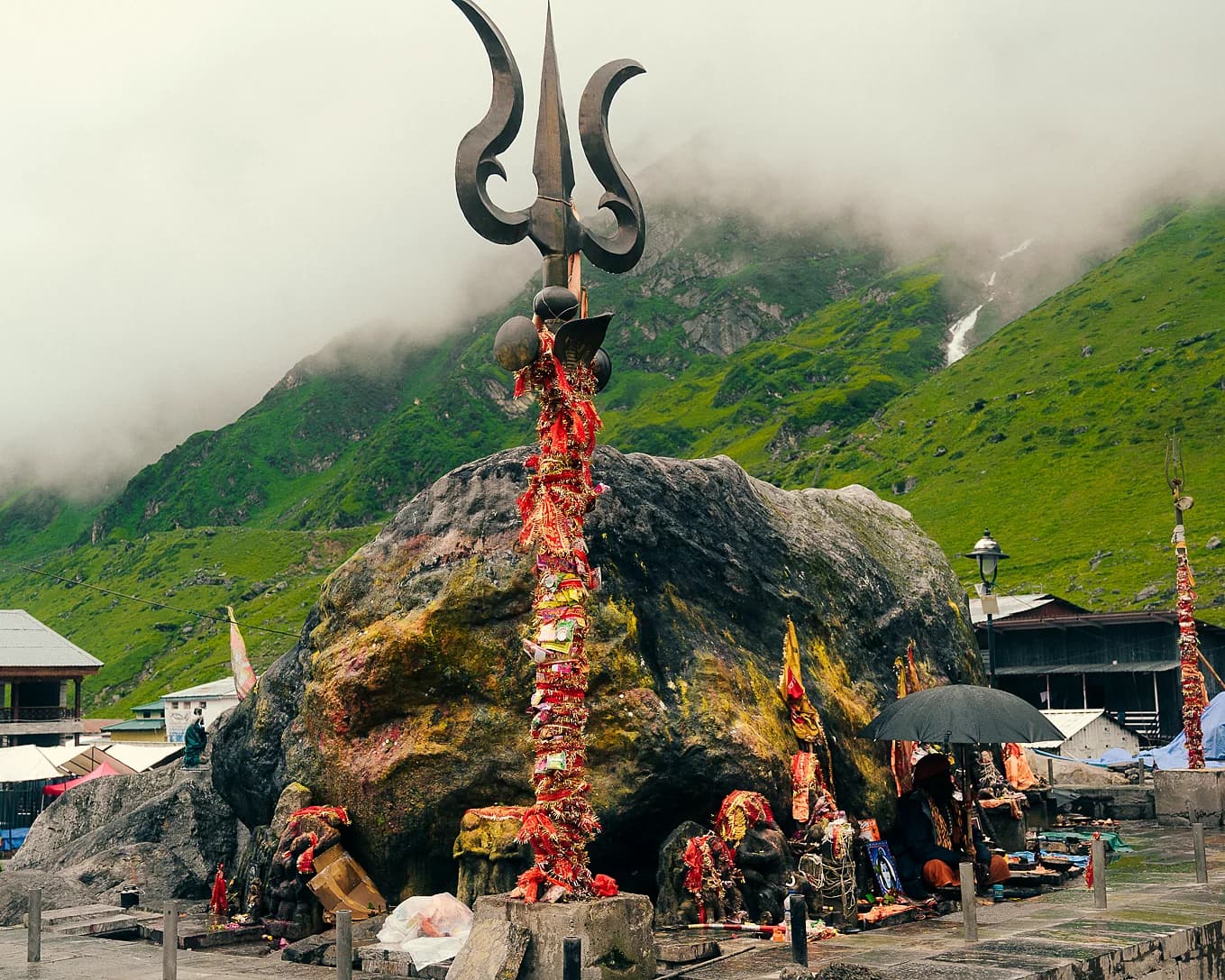
The five Kailash, with Kailash Mansarovar inside this pillar. For Kailash Mansarovar, permits and the Nepal-side arrangements are handled through an established partner.
Panch Kedar
In the traditional pilgrimage order.
| # | Temple | Altitude | Walk from the road head | Season |
|---|---|---|---|---|
| 1 | Kedarnath | 3,583 m | 16–18 km from Gaurikund | Late April or early May to early October |
| 2 | Tungnath | 3,680 m | 3.5–4 km from Chopta | Closed in winter |
| 3 | Rudranath | 3,559 m | 18–20 km from Sagar | Closed in winter |
| 4 | Madhyamaheshwar | 3,490 m | 8–10 km from Ransi | Closed in winter |
| 5 | Kalpeshwar | 2,200 m | about 3 km | Open all year |
Opening dates move by a few days each year.
Single temples
Not everyone wants five temples. These are the two most asked for.
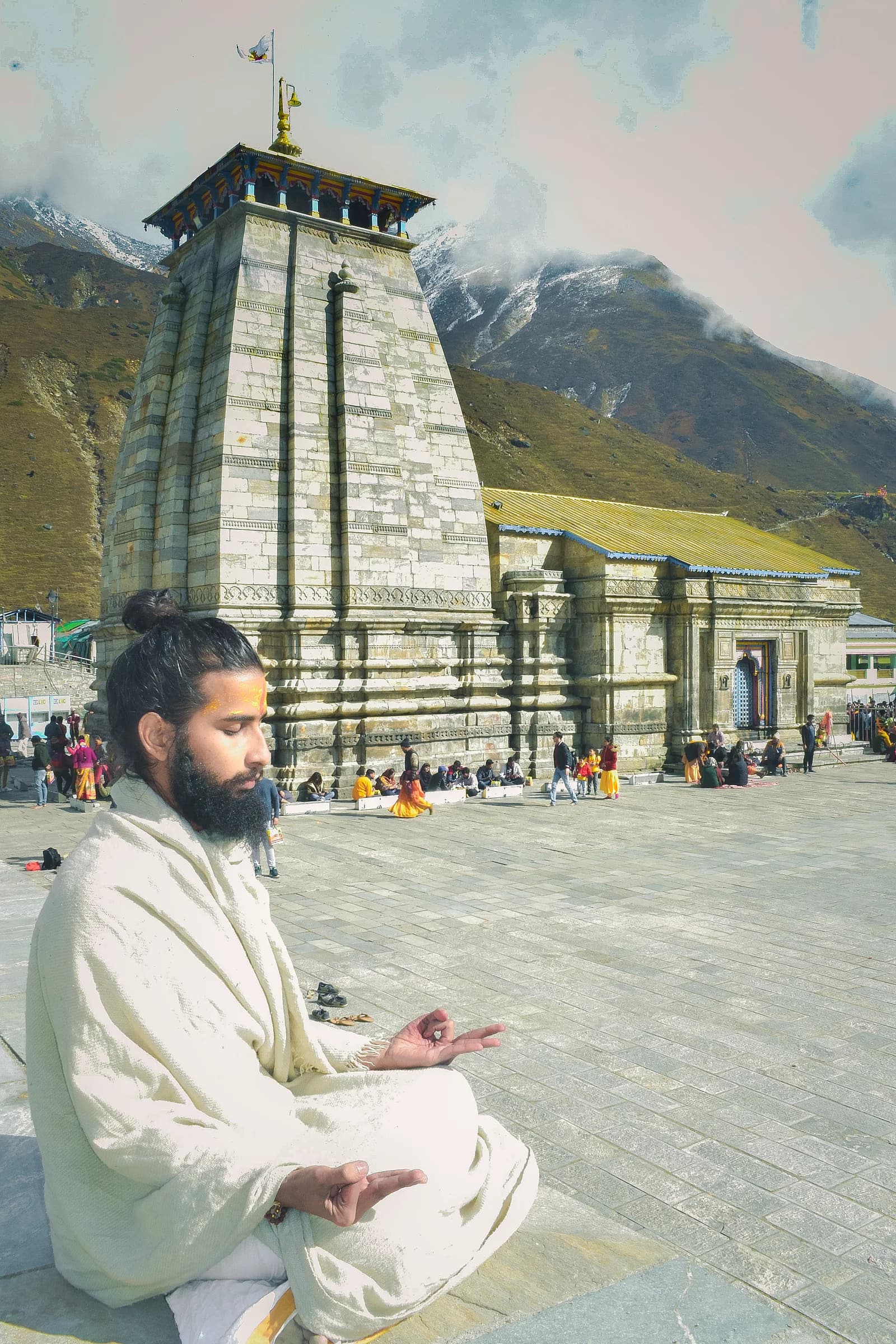
16–18 km from Gaurikund to the temple at 3,583 m. For those who want one temple, not five.
The highest Shiva temple at 3,680 m, and the shortest walk: under 4 km from Chopta. The one to choose for a first pilgrimage.
Other Yatras
Journeys in their own right, and what fills the months when the high temples are shut.
A temple to the goddess above the lakes of Kumaon.
Temples and hidden shrines in the Kumaon region.
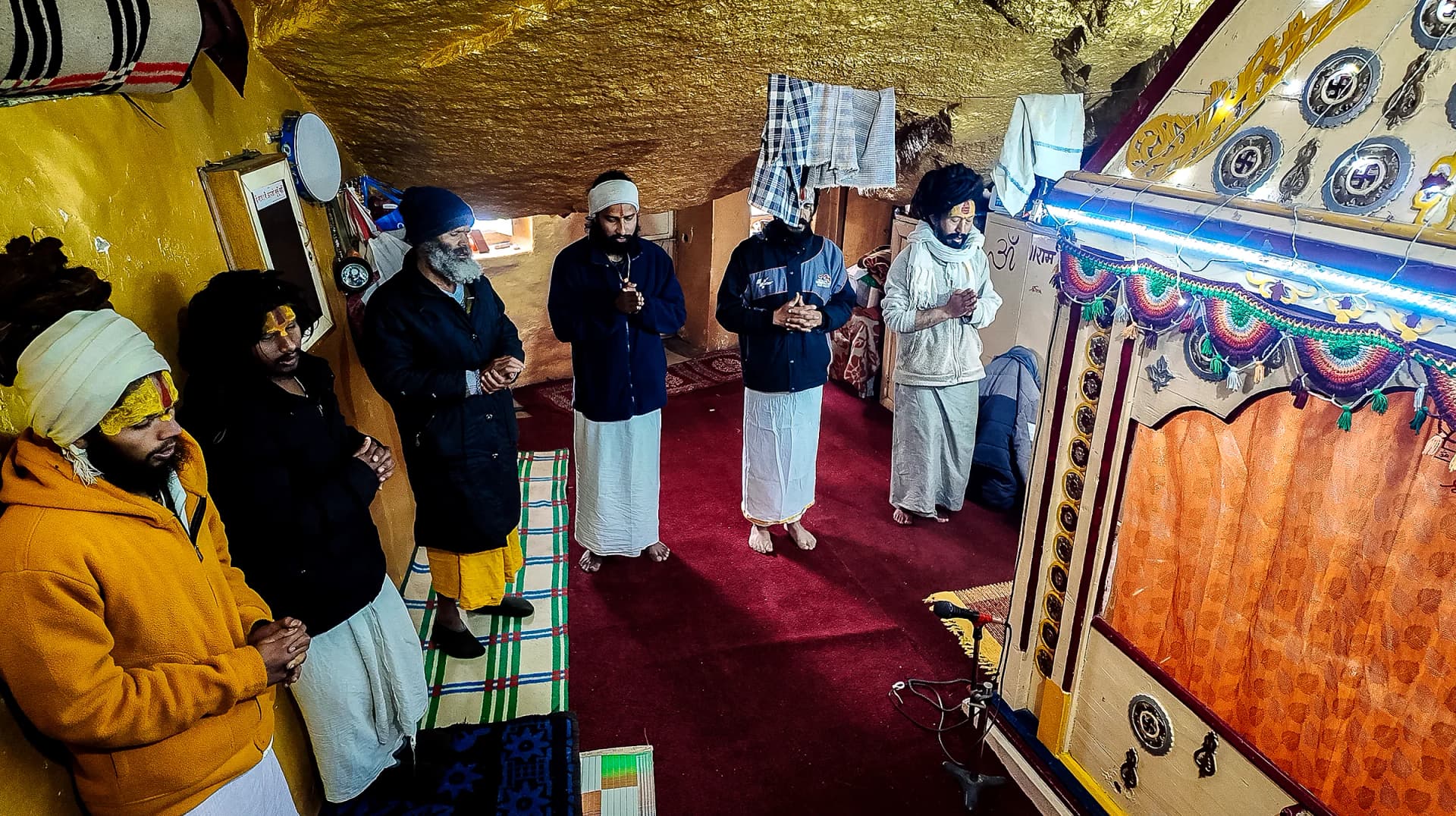
The land of Krishna, where Manish grew up: devotion, kīrtan and the old temples.
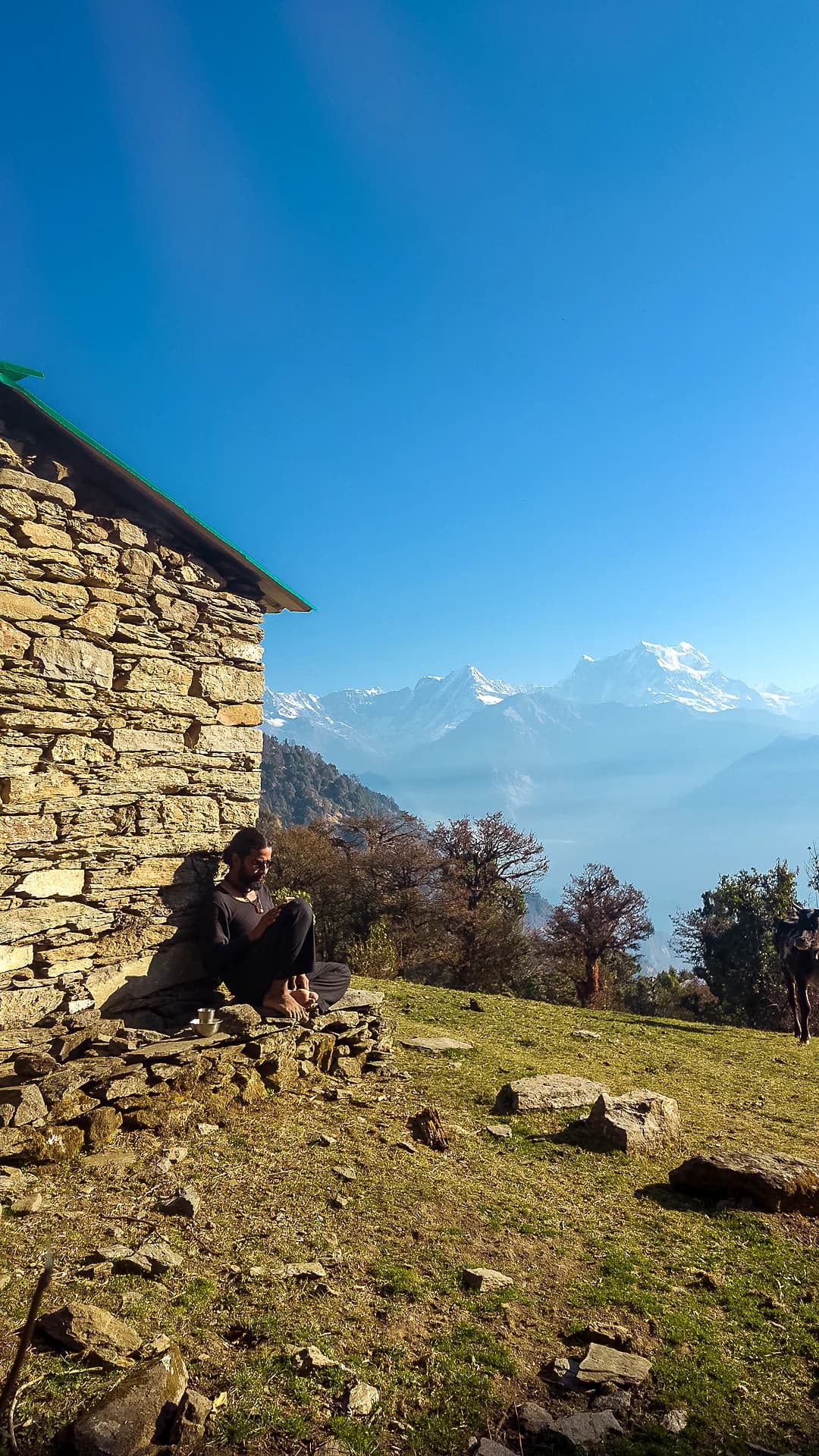
The one Panch Kedar temple open all year, at 2,200 m: the answer for the months when the others are shut.
Sacred geography
This is the map Yoga Yatra moves across; each yatra takes its own route through it.
| Where | What it is |
|---|---|
| Panch Kedar | The five Kedars, as one journey or in parts |
| Char Dham | The four seats, the long pilgrimage |
| Villages, forests, caves and kutirs | The places between the names, often where the most happens |
The journey behind it
The deepest part of Yogaacharya Manish's path did not happen in a classroom. It happened on the road: in Kedarnath, in Himalayan ashrams, in remote kutirs, in forests and caves, on paths walked for centuries. The wandering became his sadhana. The journey became his teacher.
On those journeys, people kept asking to come along. Yoga teachers, retreat leaders, travellers, filmmakers. Saints and sadhus met on the way said the same thing: take people into the mountains. Teach yoga in nature.
Yoga Yatra grew from that, not from a business plan.
For teachers and sacred places
Many teachers want to bring their students into a real Indian journey but do not know the land, the routes, the seasons or what it takes to keep a group safe at altitude. That knowledge is what Yogamani brings.
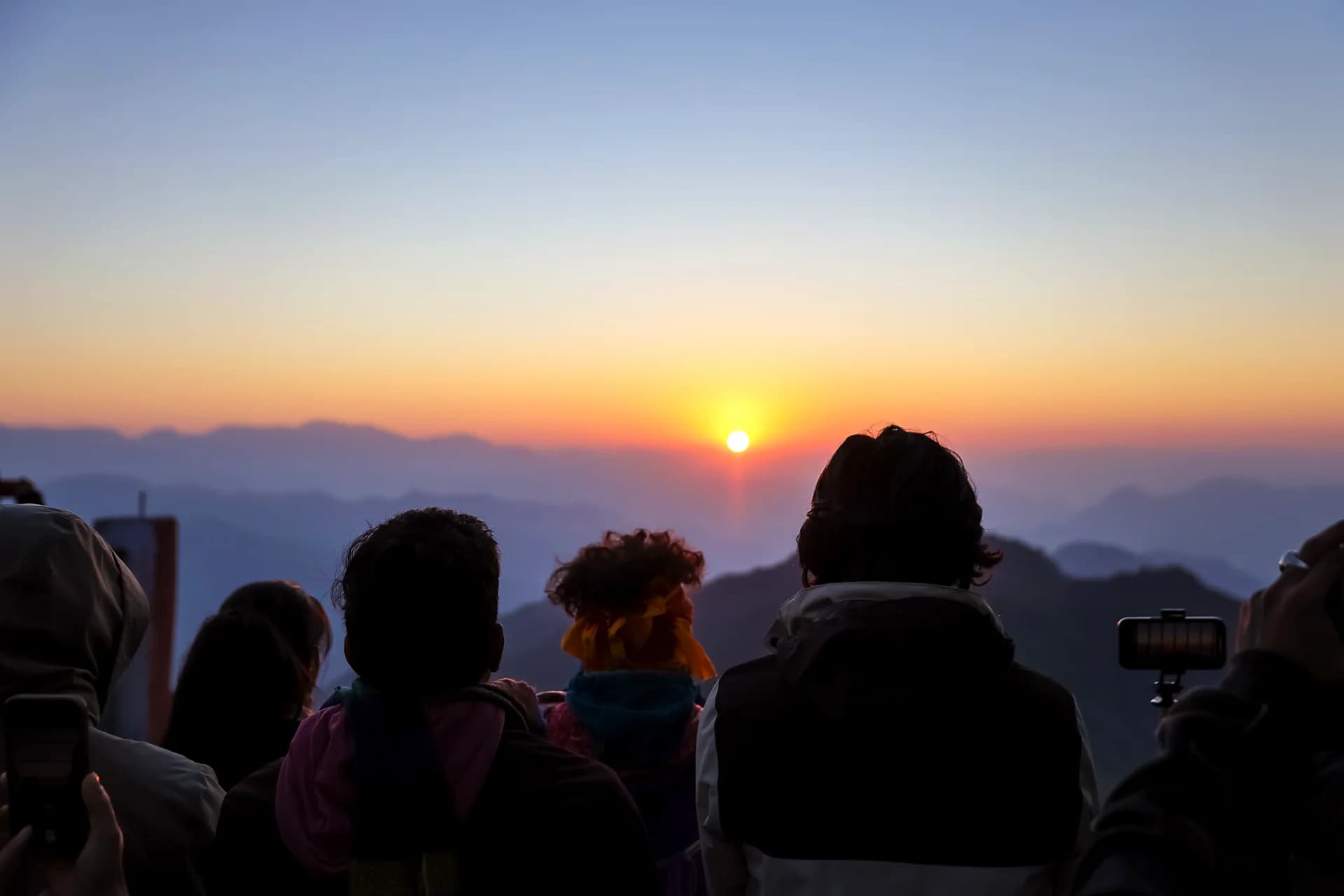
Bring your own students, from anywhere. You keep teaching them; we carry the journey: route, logistics, practice flow, safety and support for international and Japanese-speaking groups.
If you hold an ashram, a retreat house or land with the right silence in it, Yogamani can come and teach there.
You stay the host and the face of it; Yogamani provides the route knowledge, the structure, the safety and the practice flow.
The experience
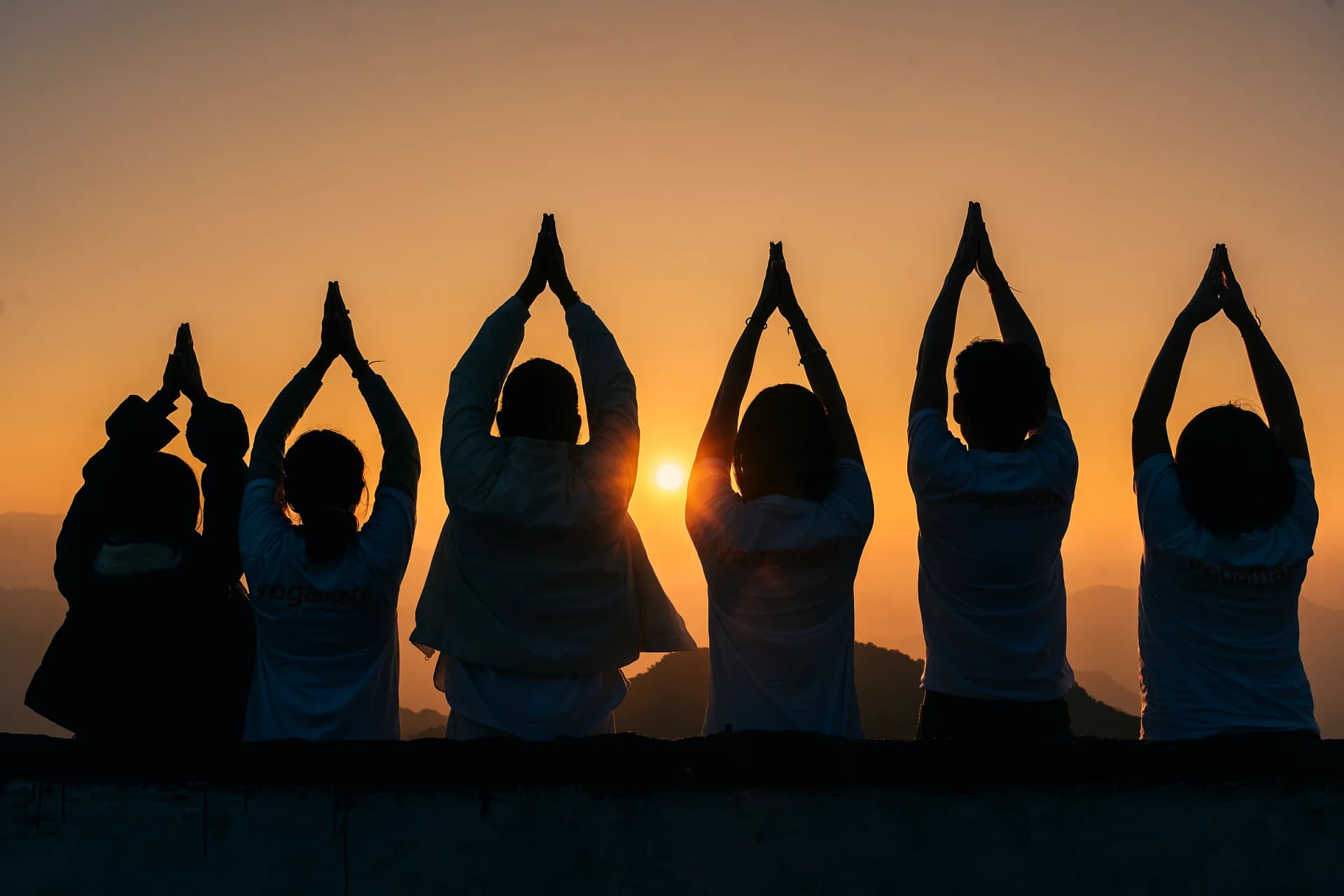
Practice in the morning, walking through the day, temples when the route passes them, meditation where the place asks for it, long stretches of quiet, meals together, conversations that only happen at altitude.
What people tend to carry home: a quieter mind, a steadier breath, a few people they will know for years. The mountains teach. Yogamani's part is simply safe passage.
Dates
New dates are announced every month. Ask us on WhatsApp.
Seasons
The temples open and the high routes clear. The busiest pilgrimage months.
Clear skies and quieter trails, our favourite time on the mountain.
High temples close for winter; lower routes and winter yatras run.
Off-season
When the high temples close for winter, we walk the lower routes: forest temples, winter seats of the deities and quieter Himalayan valleys. Ask us what is running during your dates.
Fees
Every yatra is different, so the price depends on the route, the duration and the arrangements. We share the full itinerary and price for your chosen route.
Guesthouses and pilgrim lodges along the route.
Vegetarian meals suited to the rhythm of the journey.
Pranayama, meditation and yoga as part of the yatra.
Guidance and local support on the trekking routes.
Time for darshan and practice at the sacred places.
Per person, with the itinerary for your route.
The trek
These are Himalayan treks, not sightseeing walks. Depending on the yatra you may walk for several hours a day, climb steadily through mountain terrain and reach high altitude. Some days are longer than others.
We walk at a steady pace, with time to rest, practise and take in the surroundings. You do not need to be a mountaineer, but you should be comfortable with sustained uphill walking.
Practical
Is it for you
If you have a heart, lung or blood-pressure condition, speak to your doctor before joining a high-altitude yatra. Not sure which yatra suits your fitness? Talk to us before you book.
Preparing
Regular walking and uphill walks in the weeks before.
Comfortable trekking shoes and layers for changing weather.
A detailed list is shared for your route.
Follow the pace and give your body time to adjust.
Early mornings, simple living and daily practice.
Safety
The Himalayas can be unpredictable. Each yatra is planned with the route and the season in mind, with local support on the trail.
If weather or mountain conditions make a route unsafe, the itinerary changes. Your safety comes before completing the itinerary.What to bring
Pack light, but come prepared for the mountains. A detailed packing list is sent before departure.
Teacher
Founder · Hatha, sound, meditation
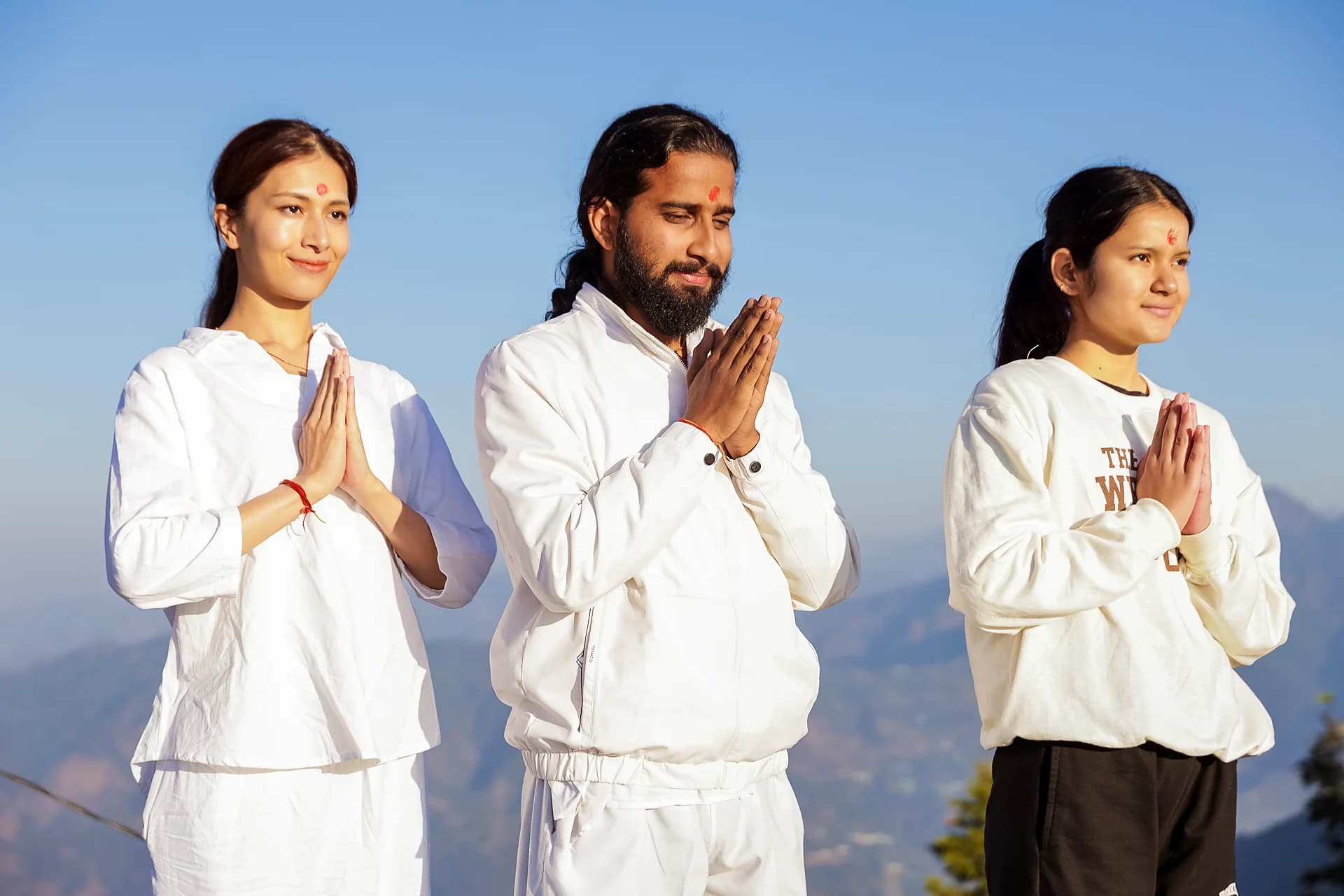
Grew up in Brij Kshetra and spent almost three years in sadhana at Kedarnath before founding Yogamani. Over 25 years of practice.
Hindi, English, JapaneseGlimpses
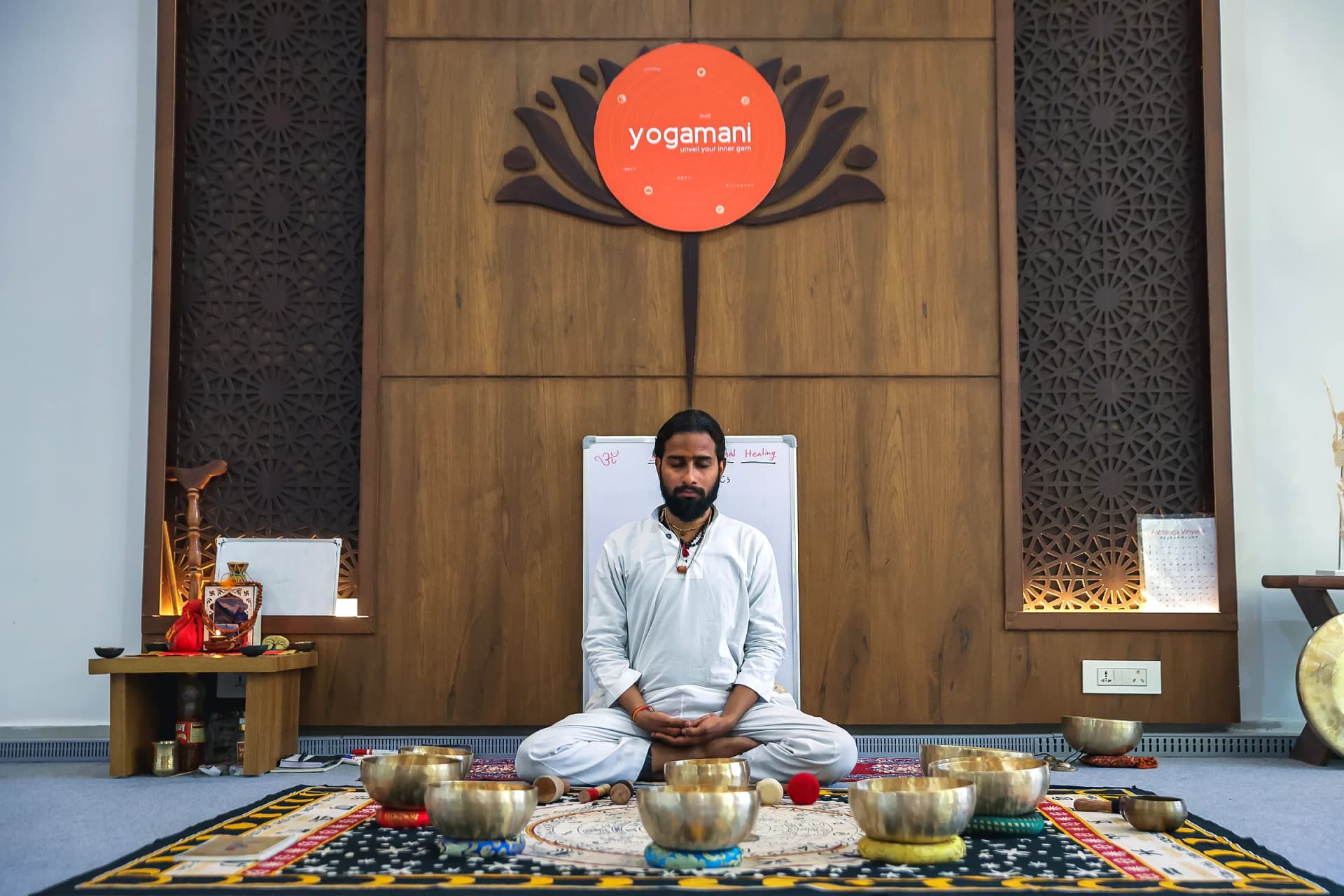
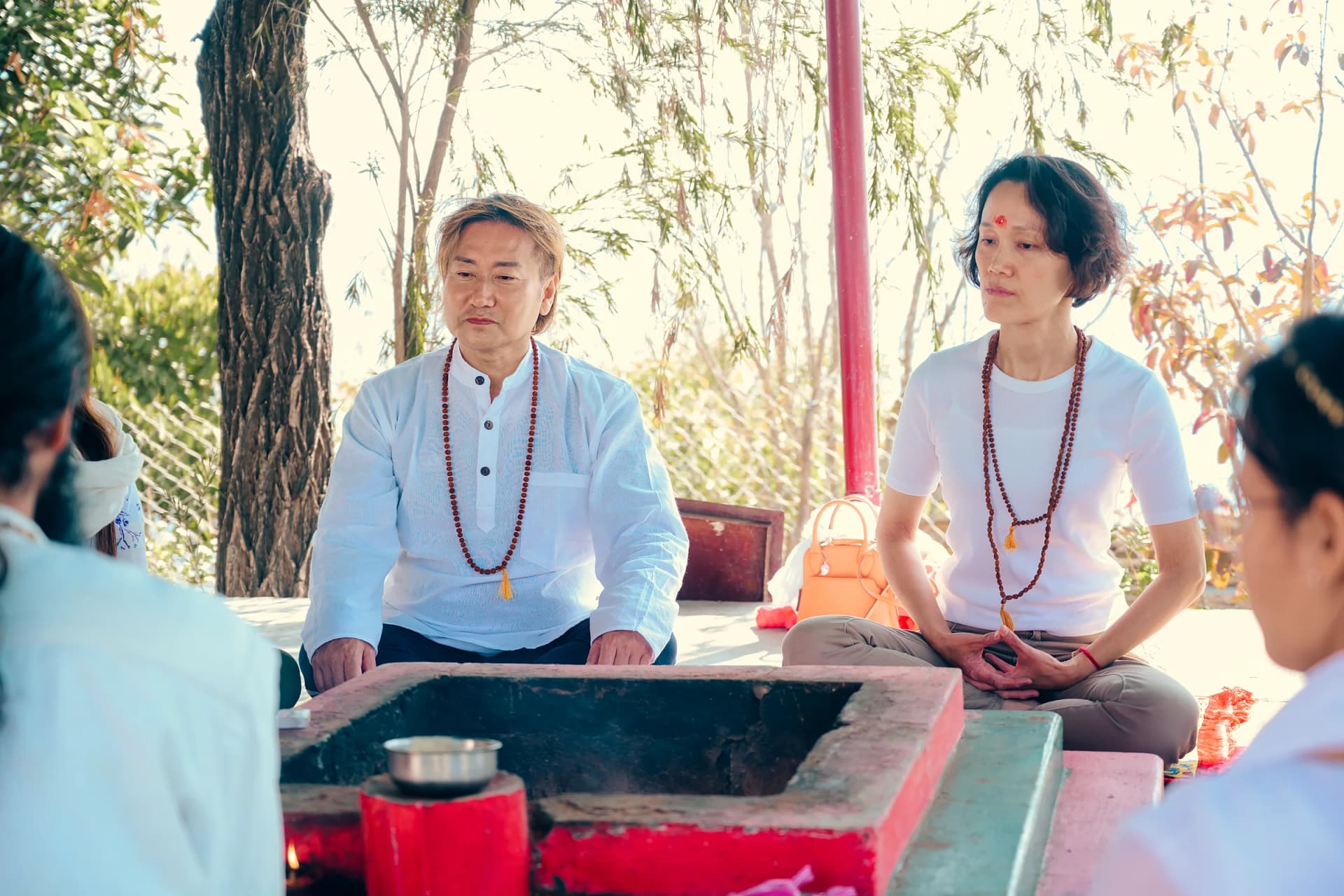
A few moments from the journey: on the trail, at the temples and in practice.
Reviews
Read what students say about Yogamani on Google Maps.
Read what students say about Yogamani on Google, and share your own experience.
Reviews from our Google Business Profile.
Questions
No. You need to respect the places and the practice.
It depends on the yatra: from a 3 km walk to a 20 km climb at 3,500 m. Each yatra states its own distance, altitude and walking hours. Speak to your doctor if you have heart, lung or blood-pressure conditions.
When Mani-ji goes. These are not scheduled departures sold by a tour desk: the route is offered and the dates are announced or arranged.
Send a request here or on WhatsApp. We confirm your place and share payment details personally.
Choose a yatra above, or tell us what you have in mind and we will build the journey with you.
No payment is taken online. We confirm everything with you personally.