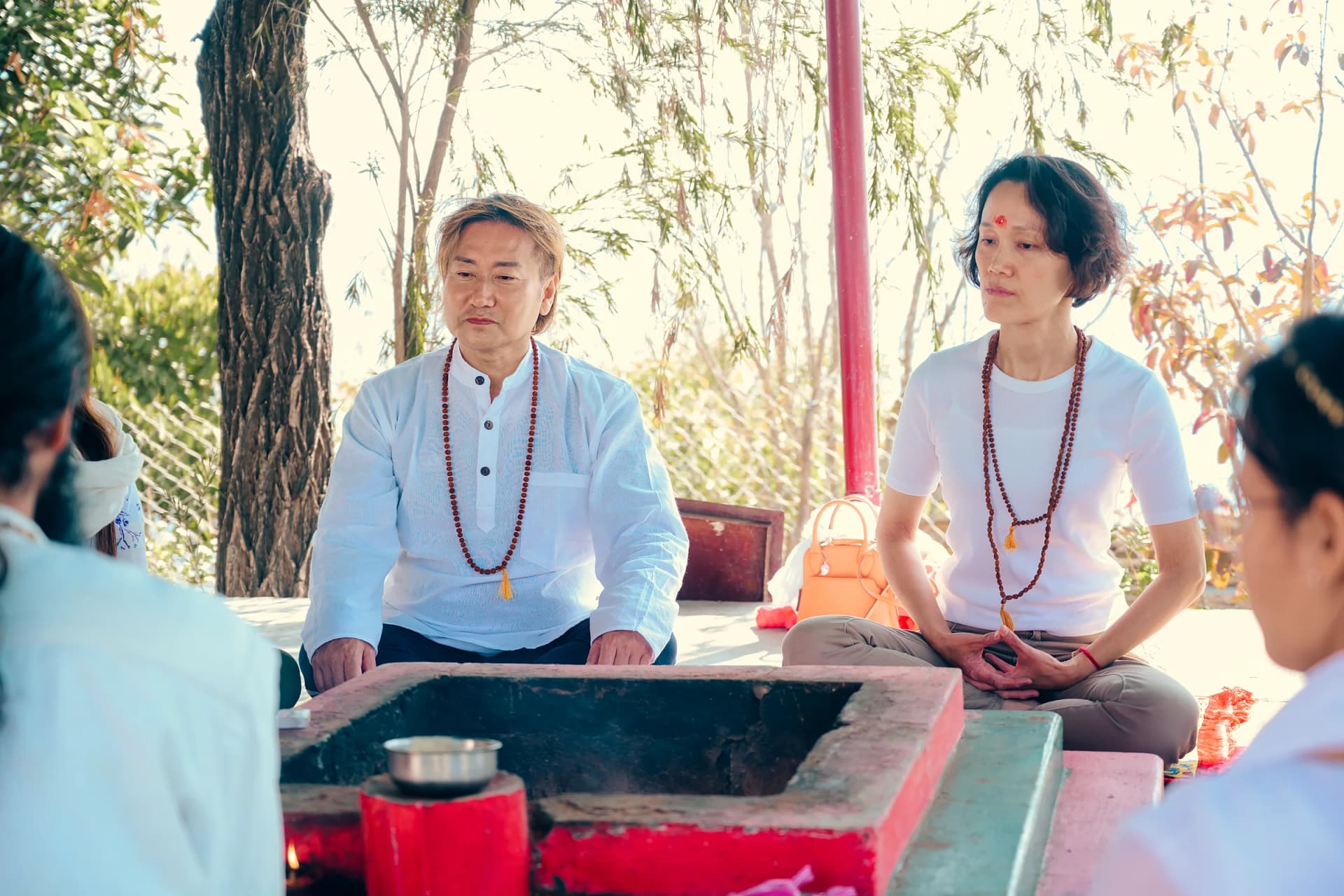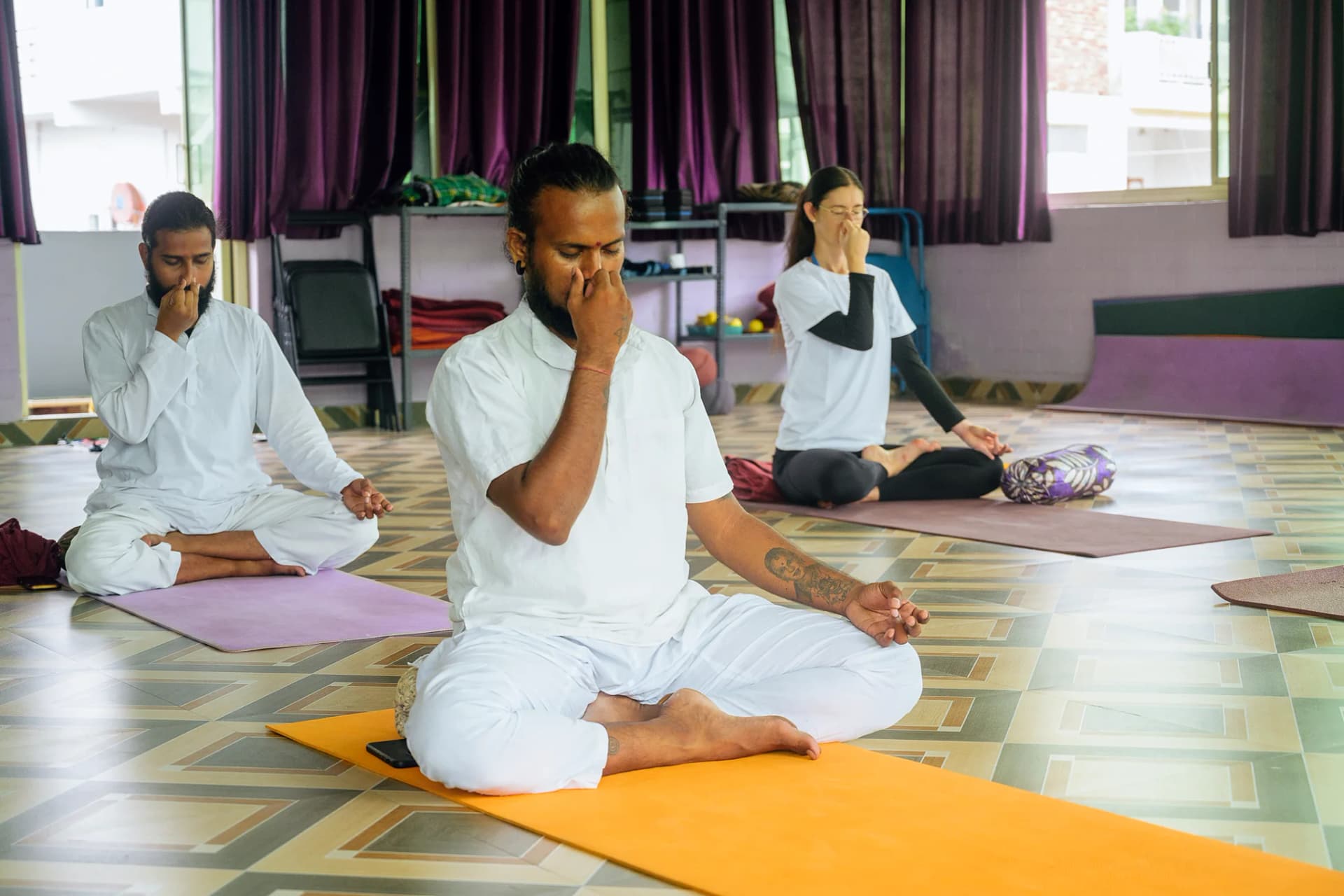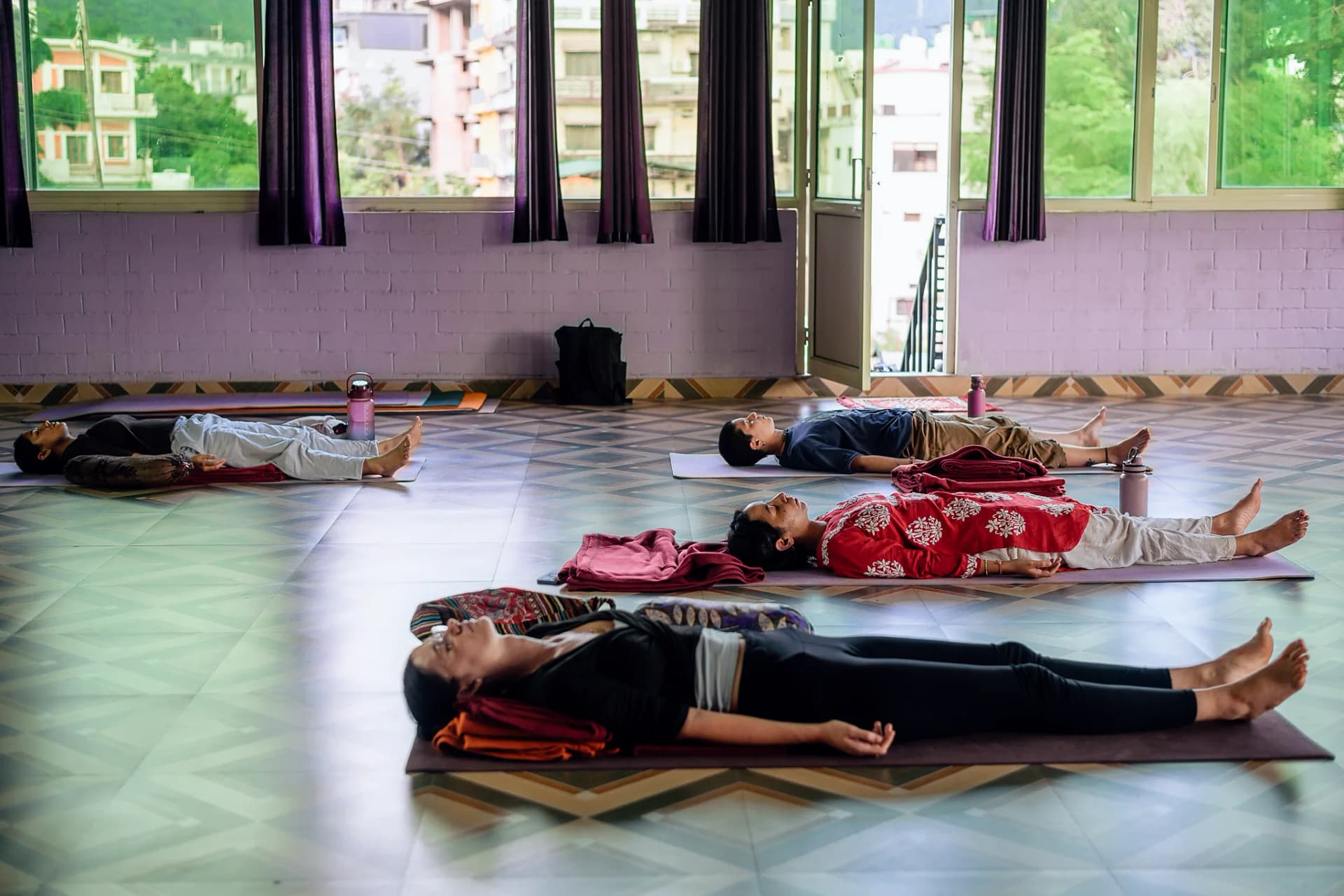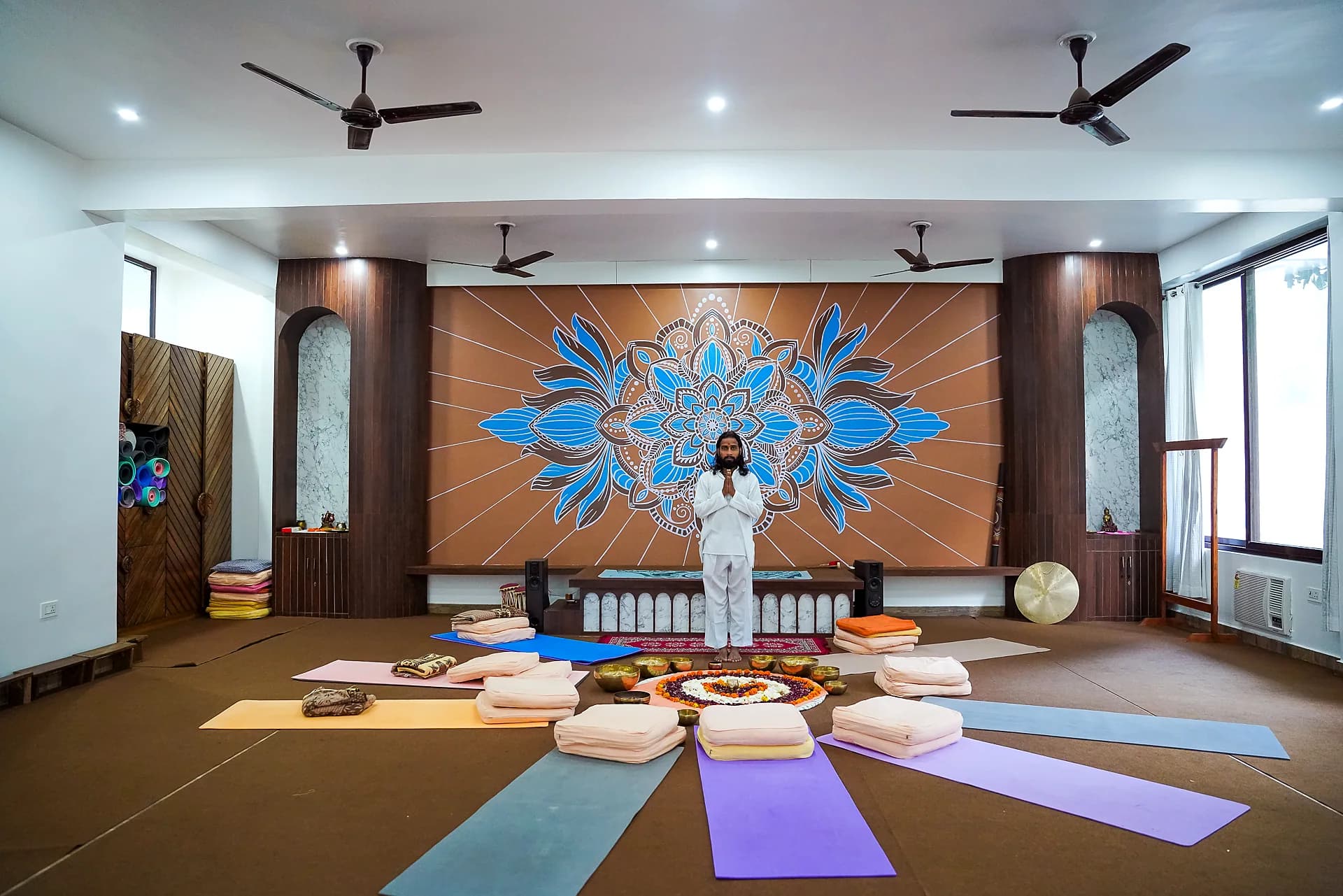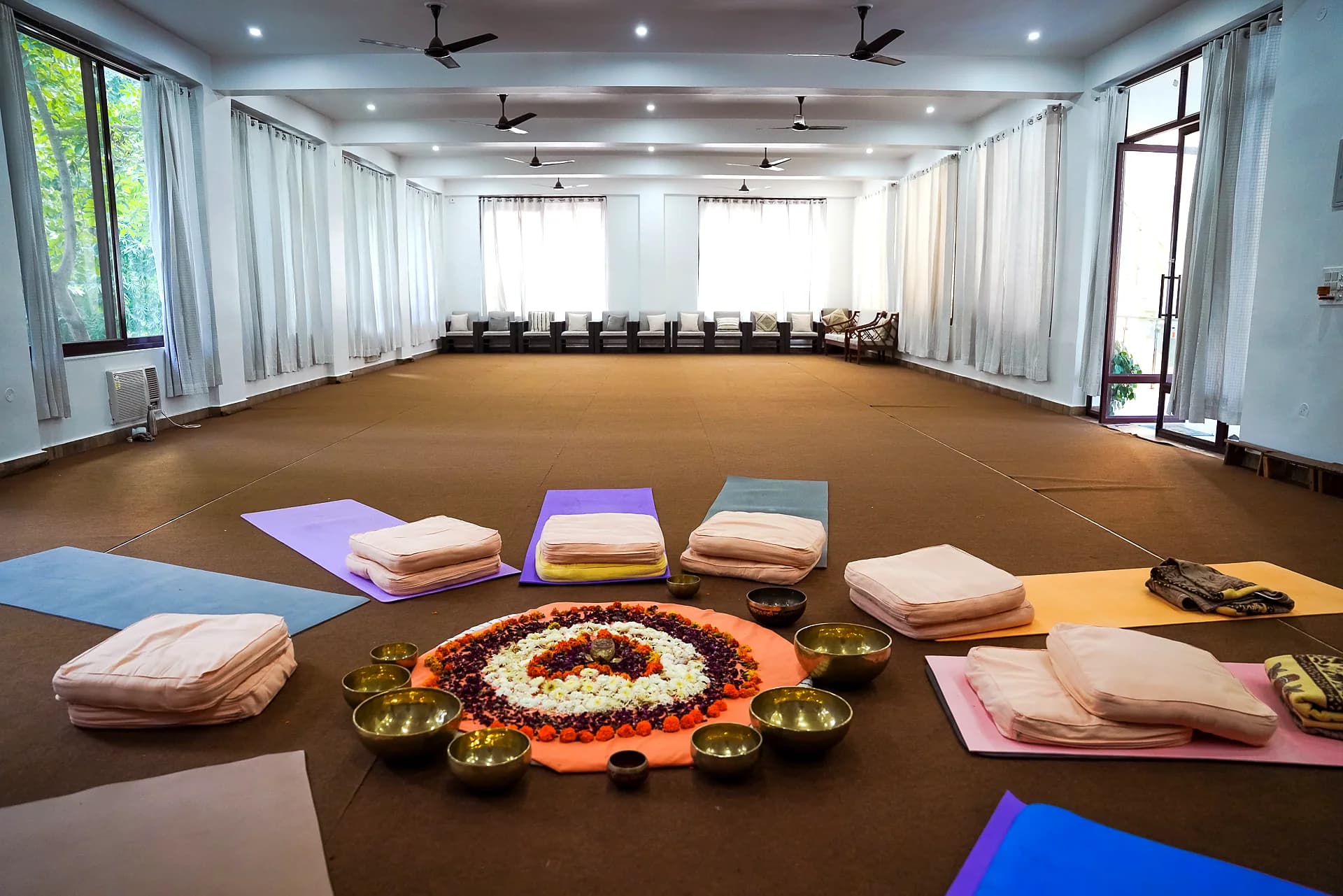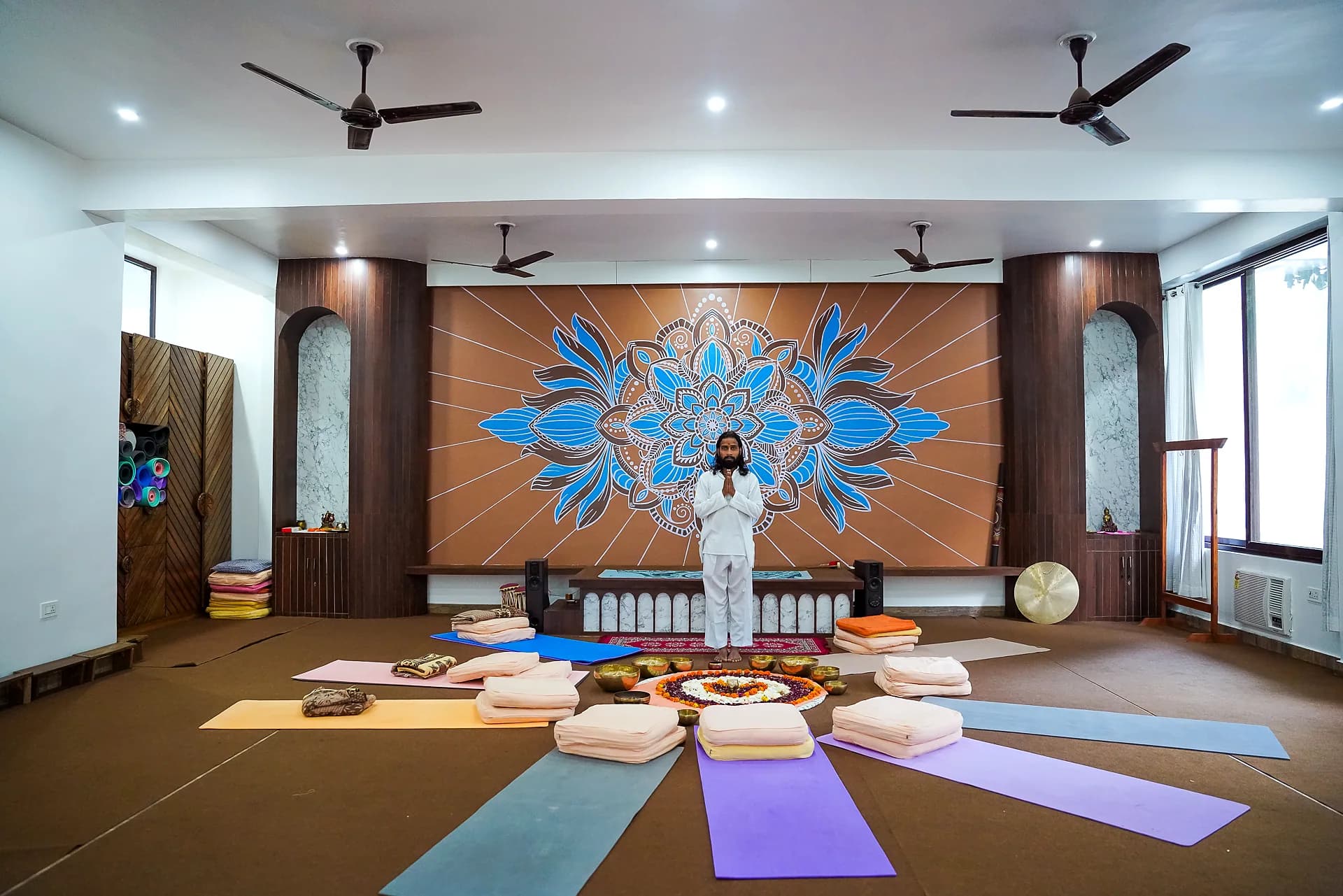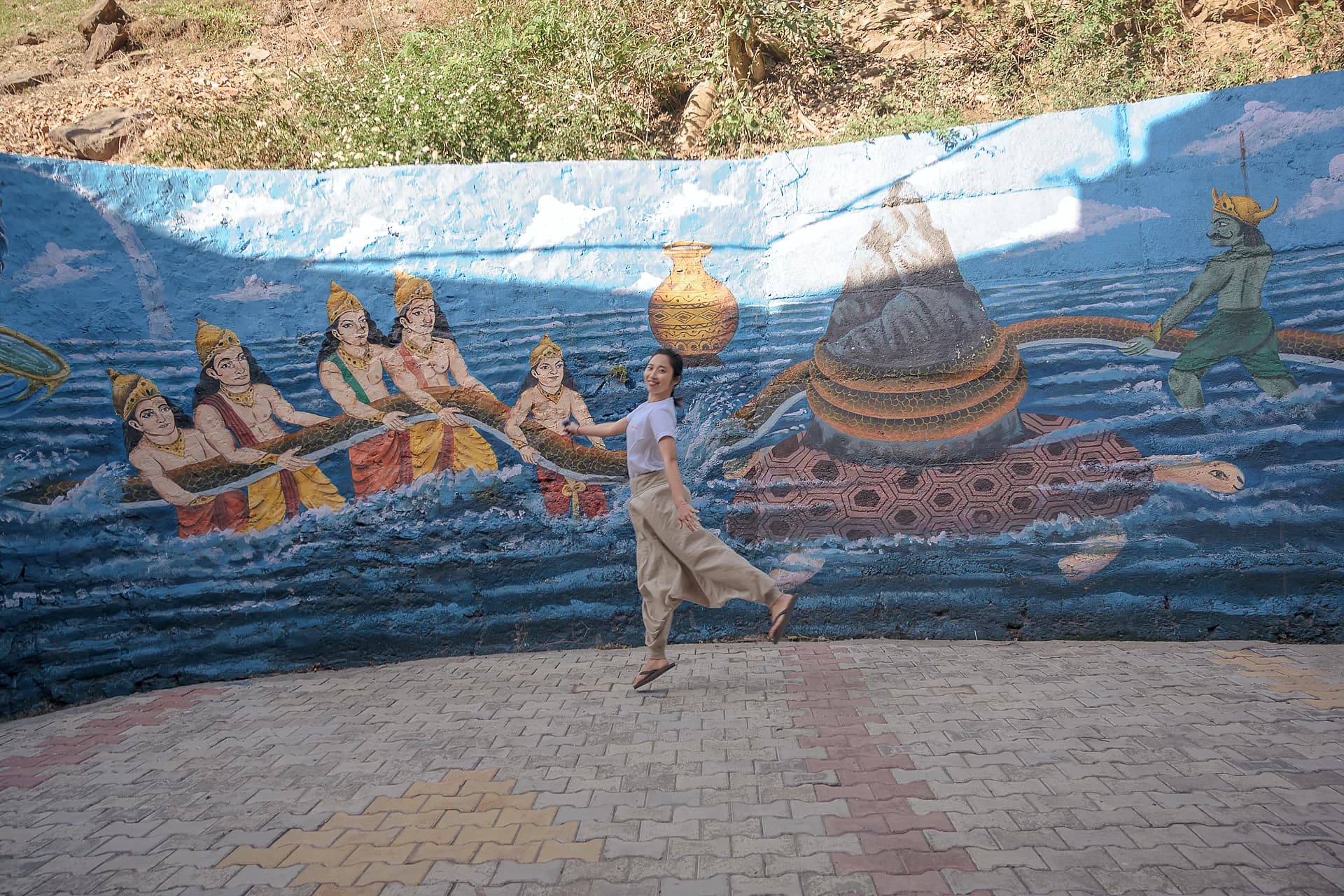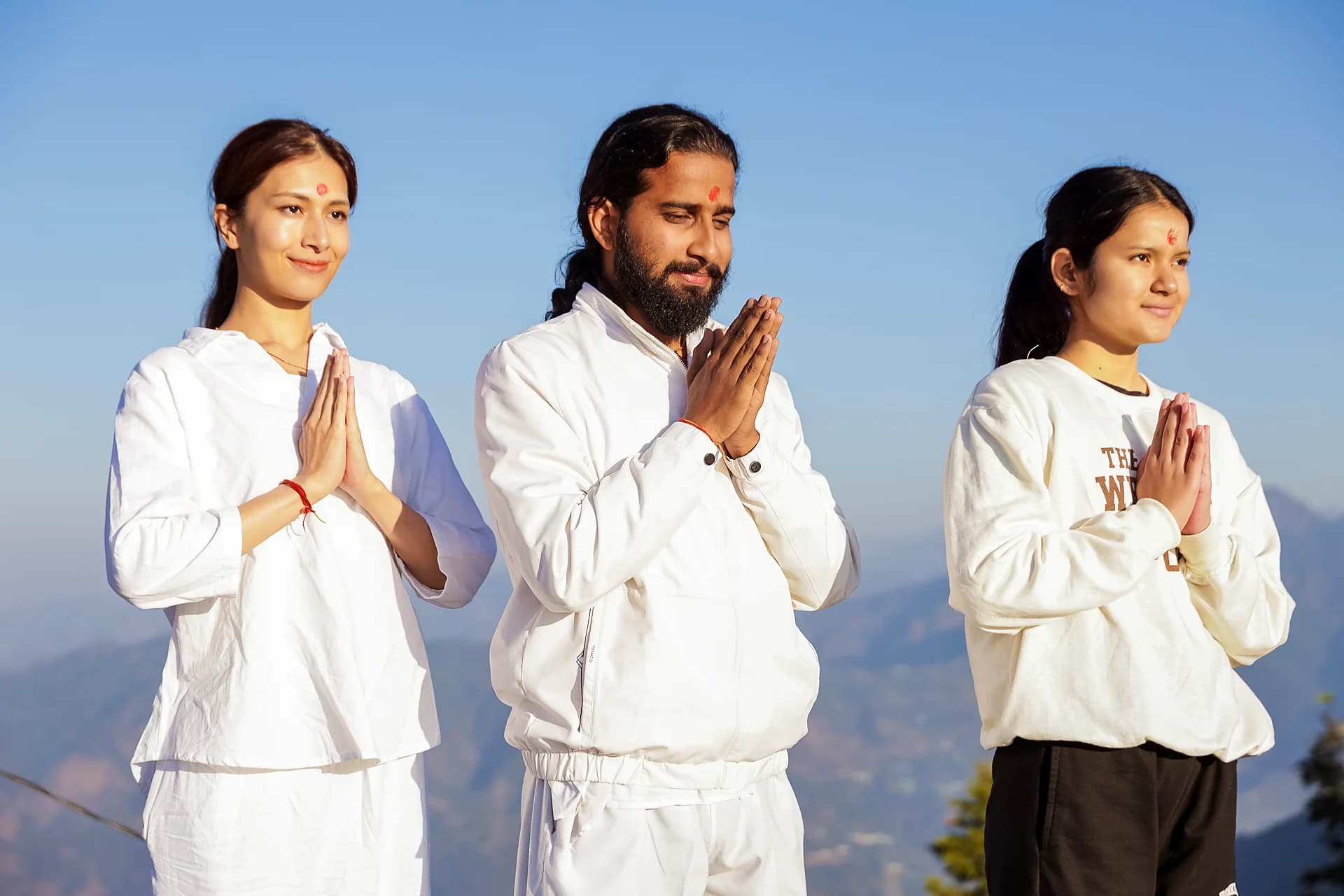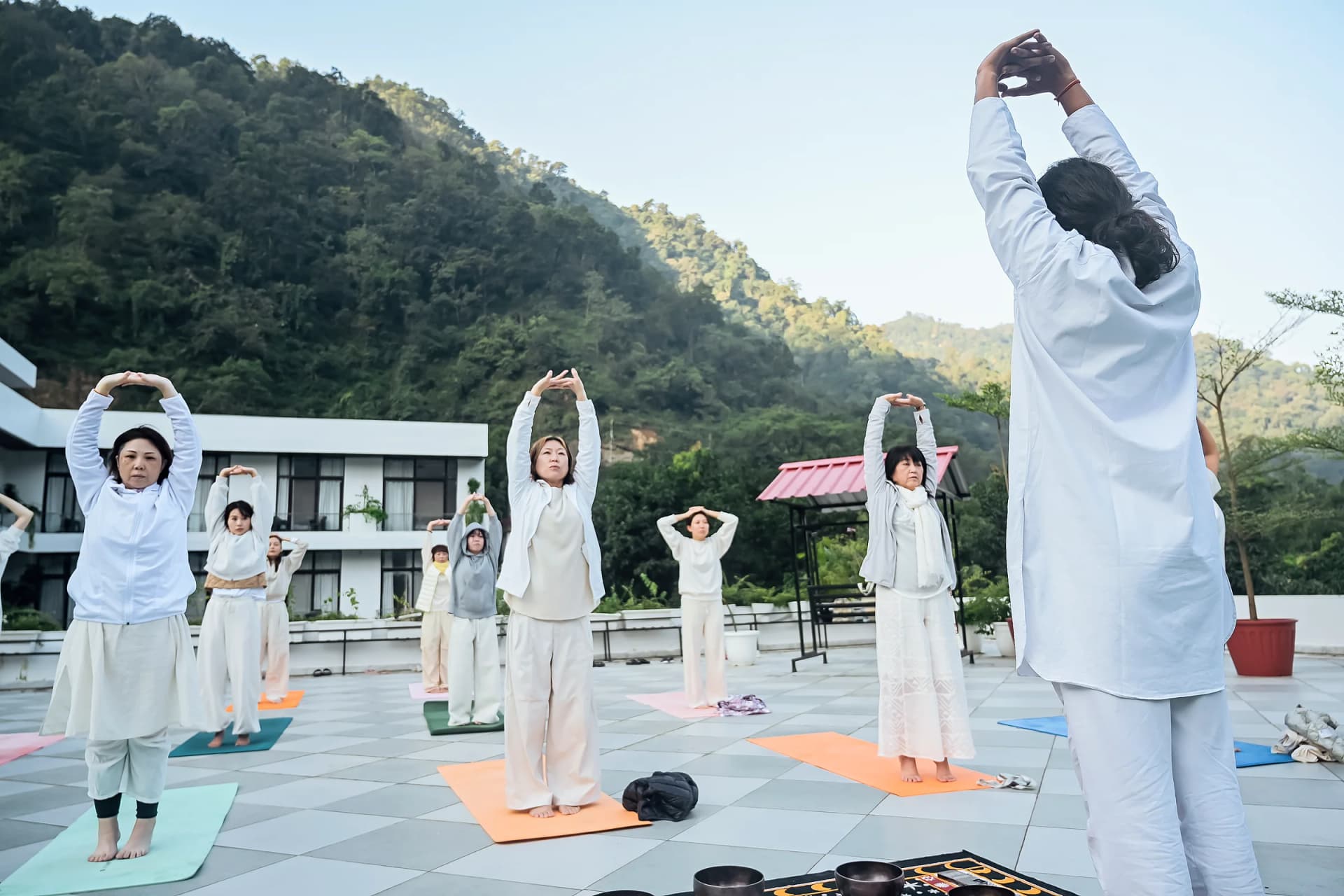
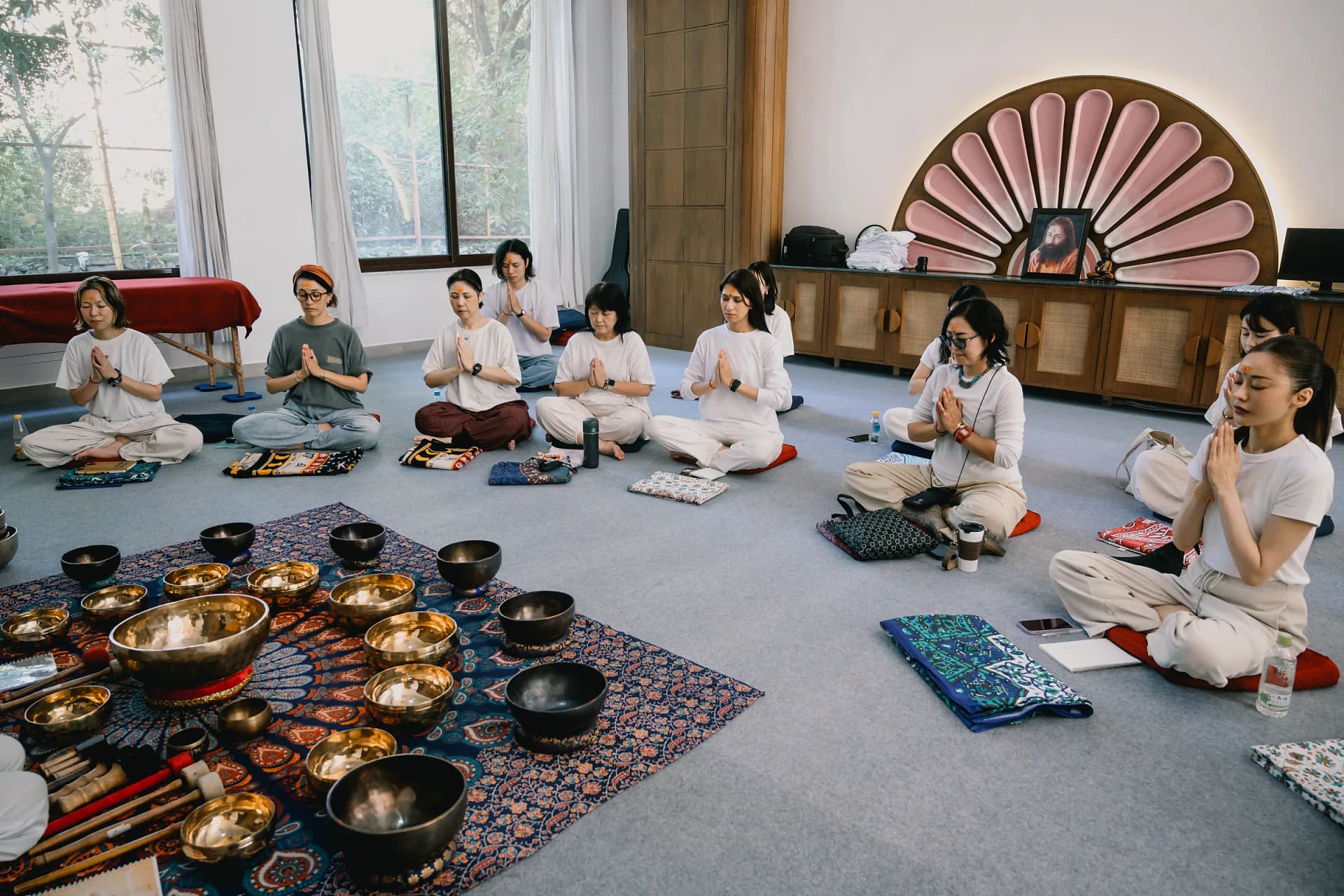
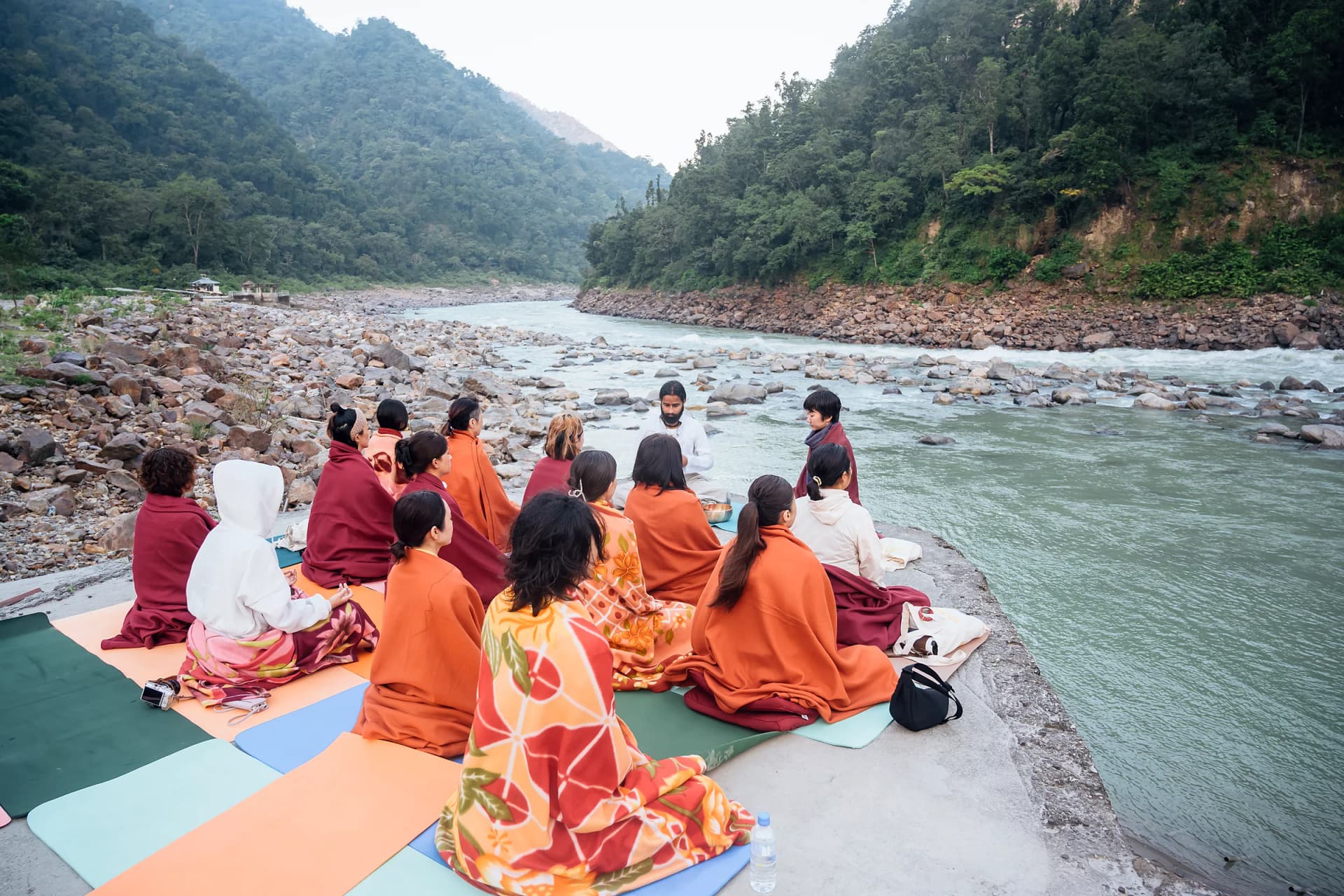
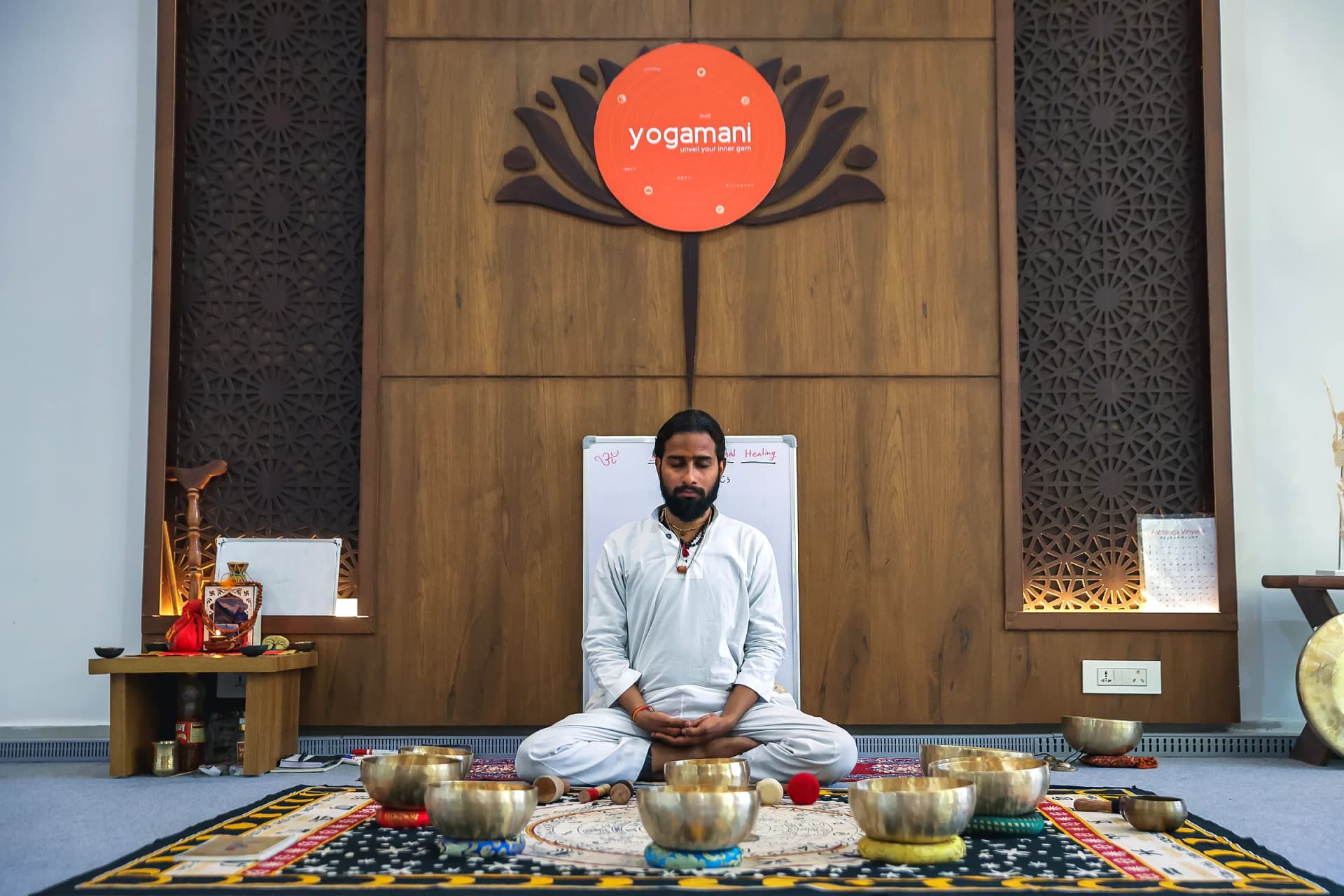
A sound healing circle
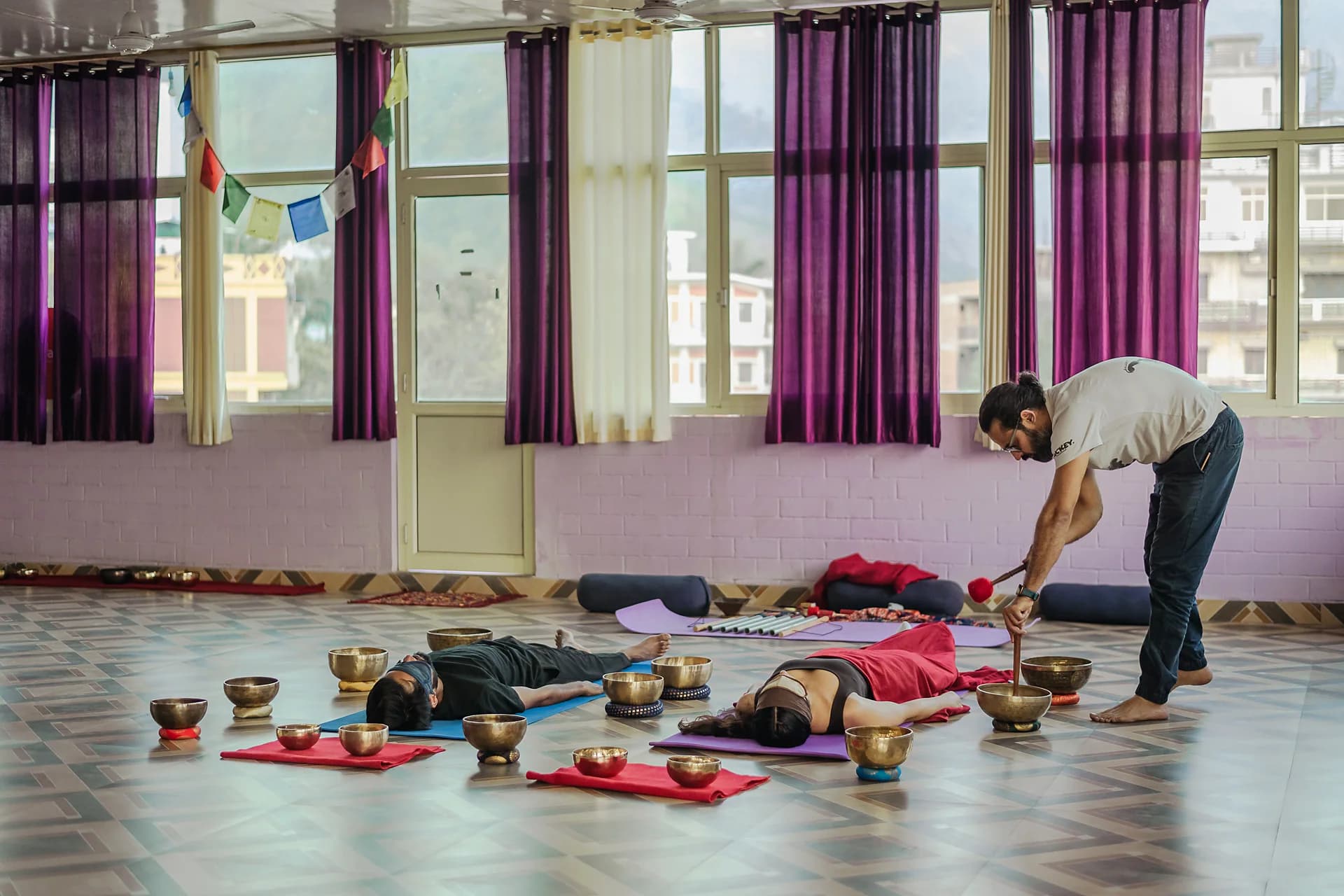
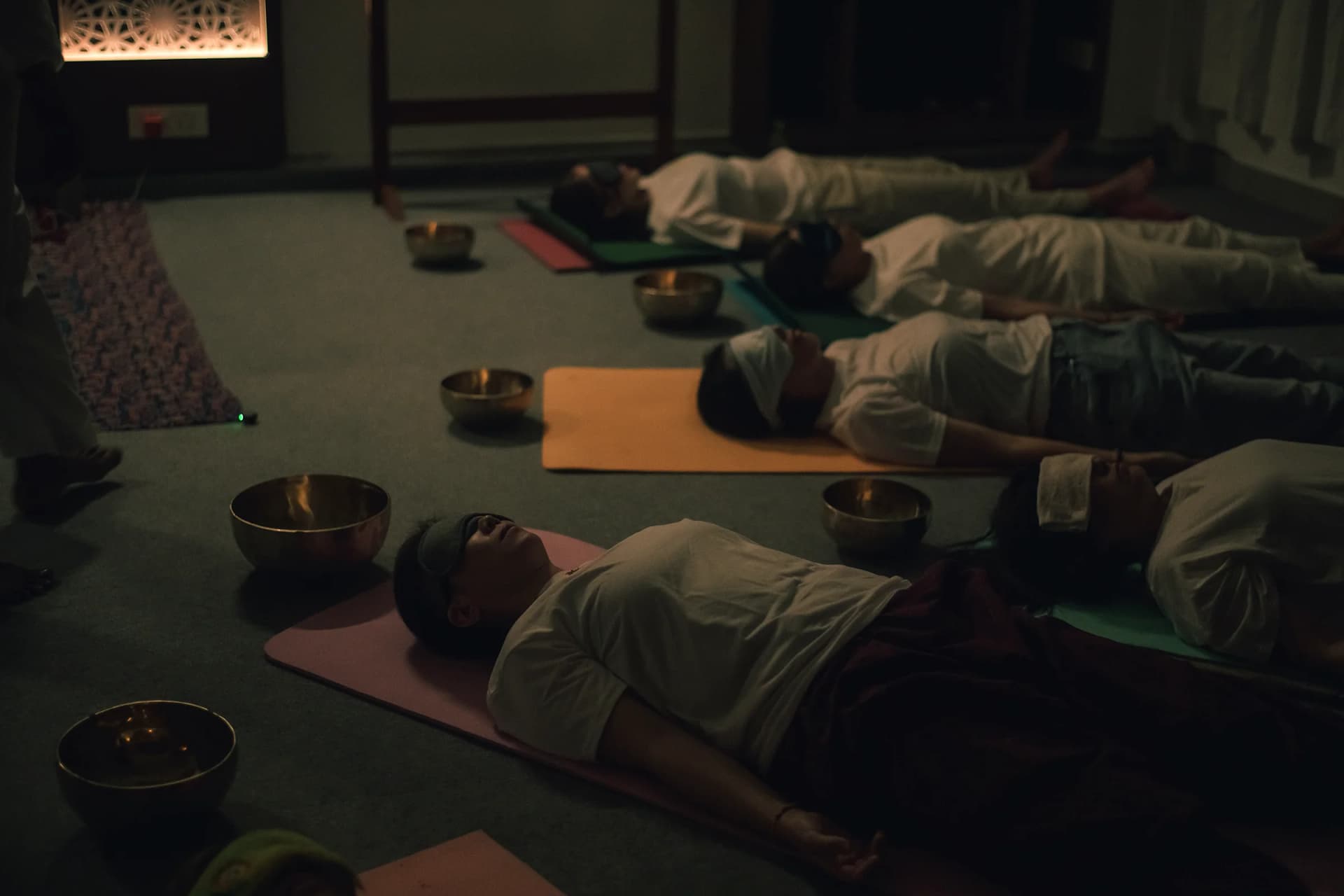
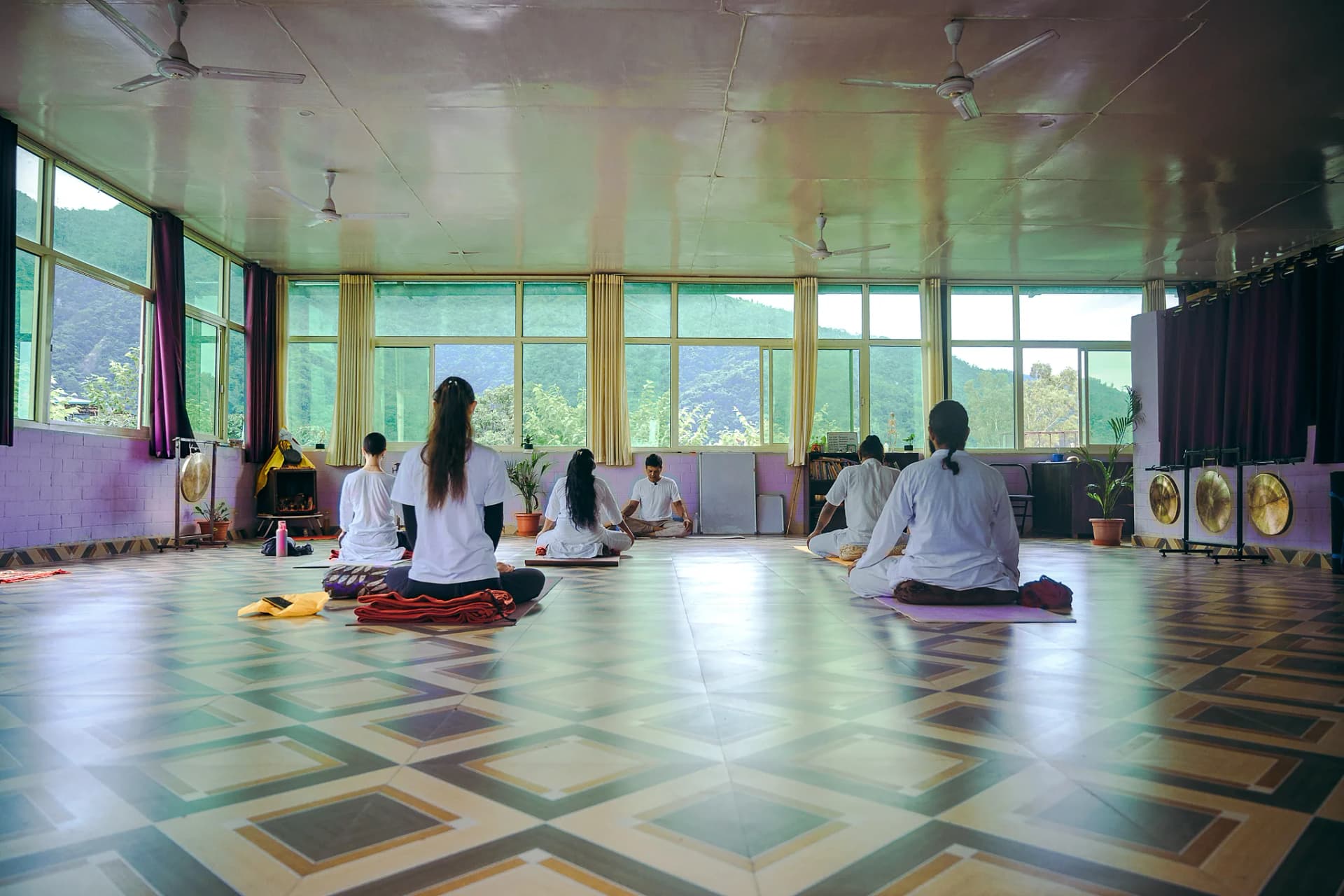
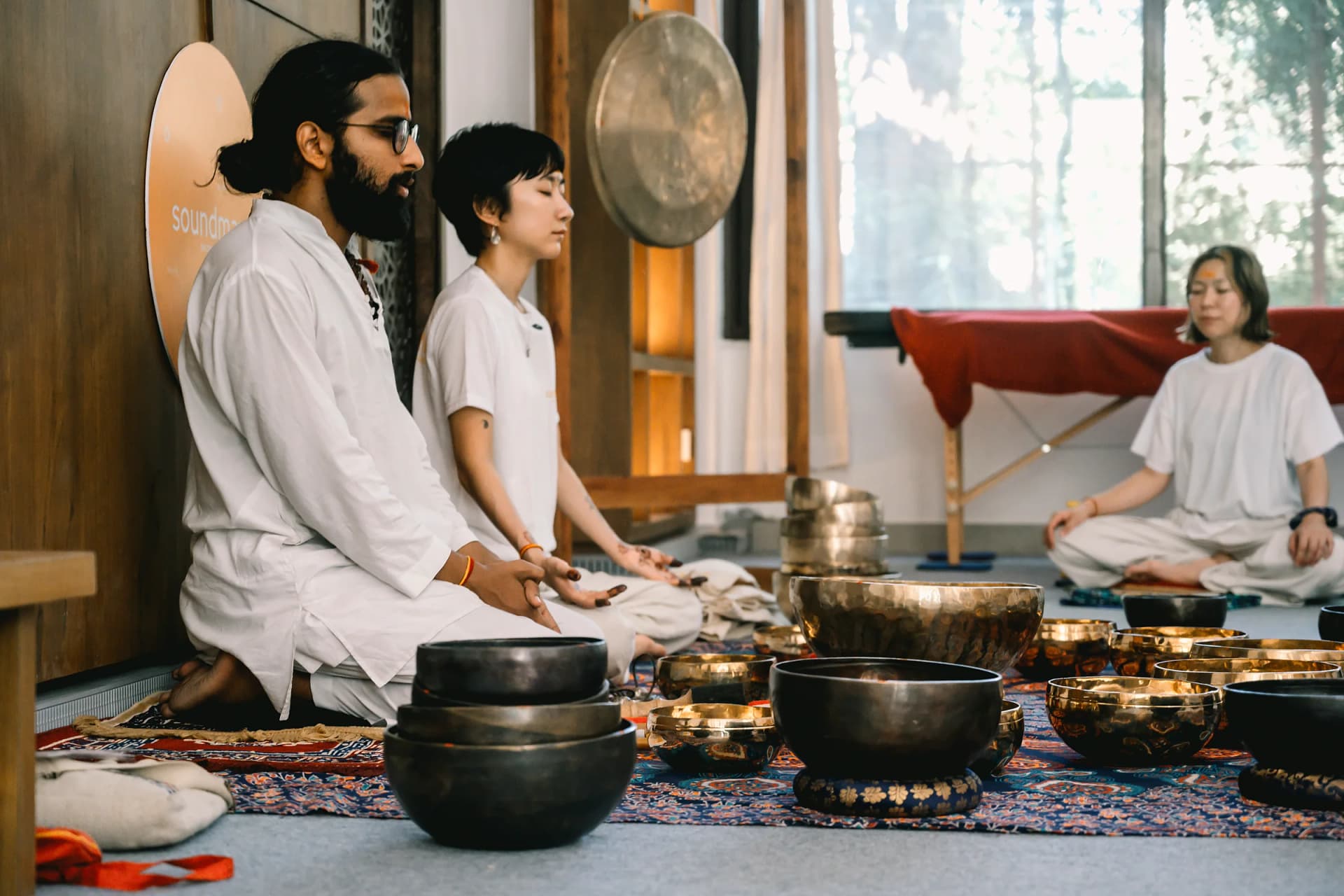
Gongs and bowls in the hall
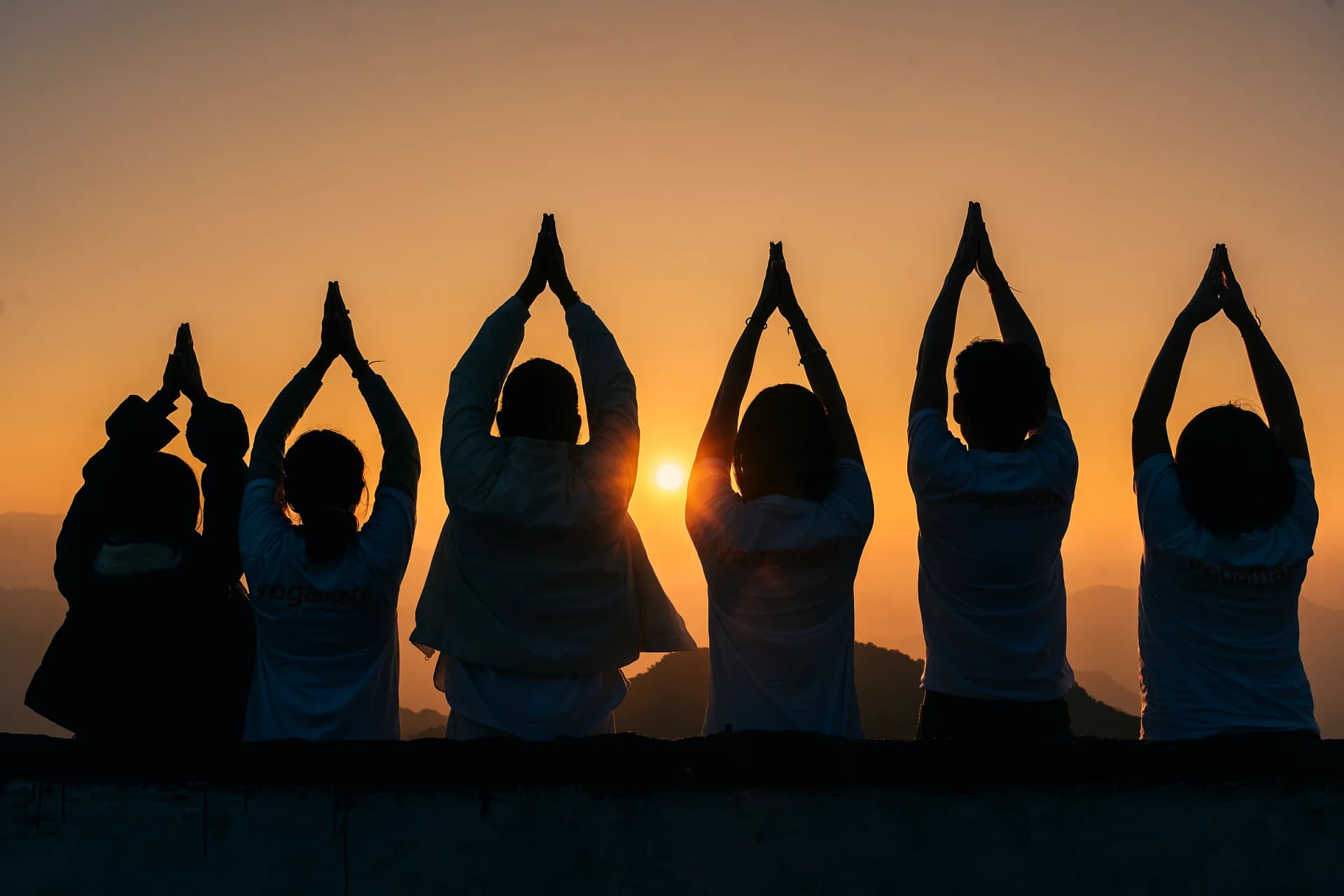
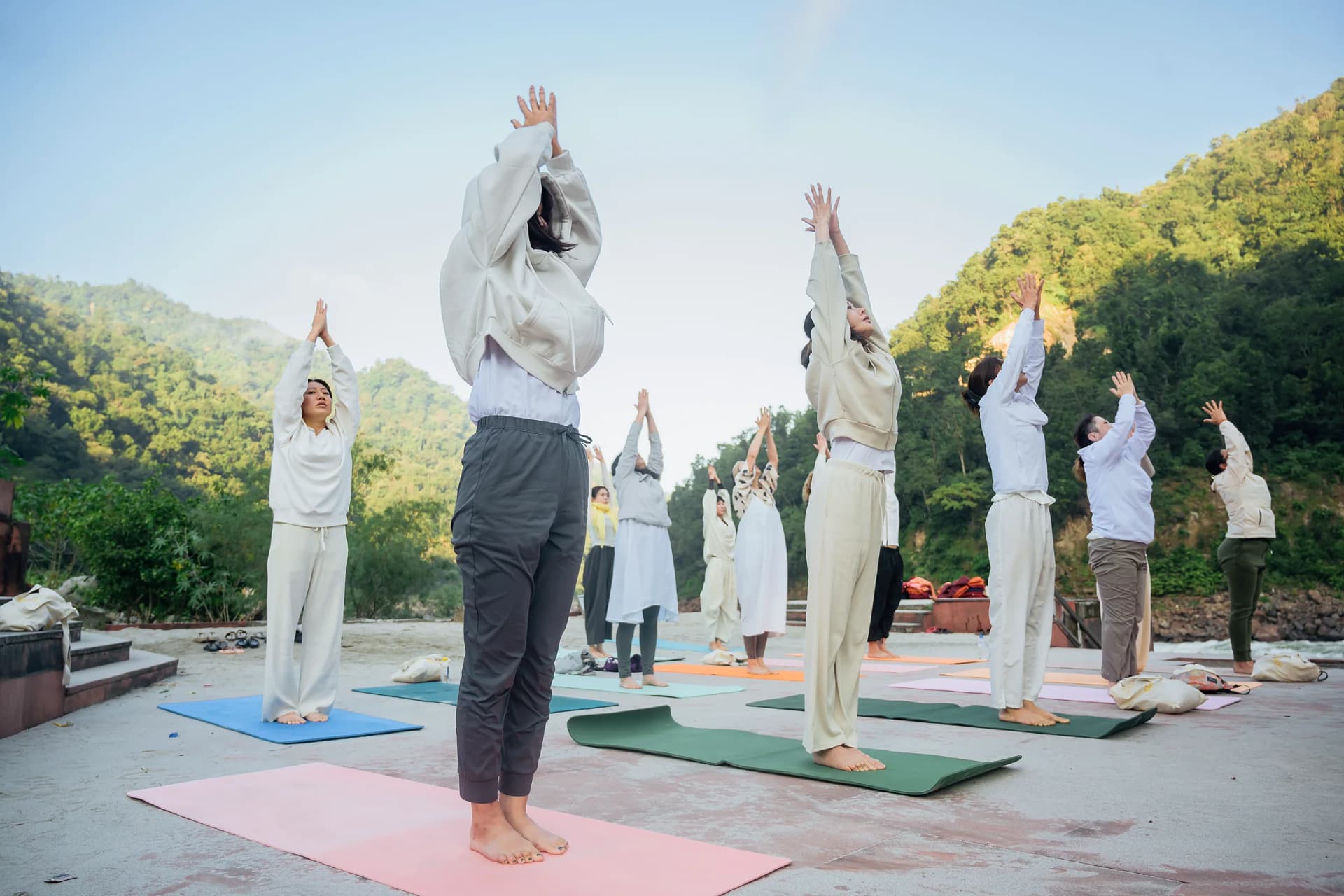
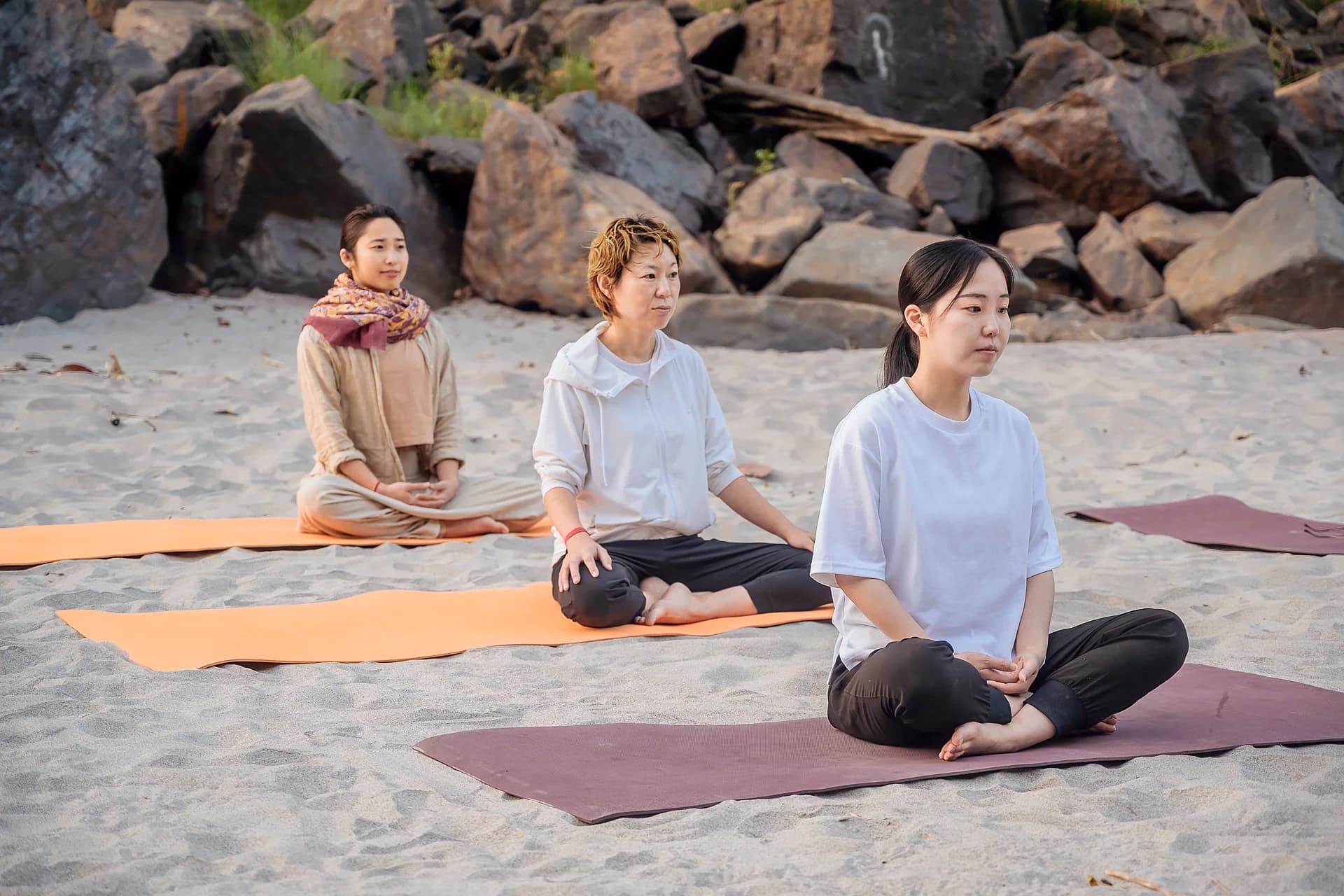
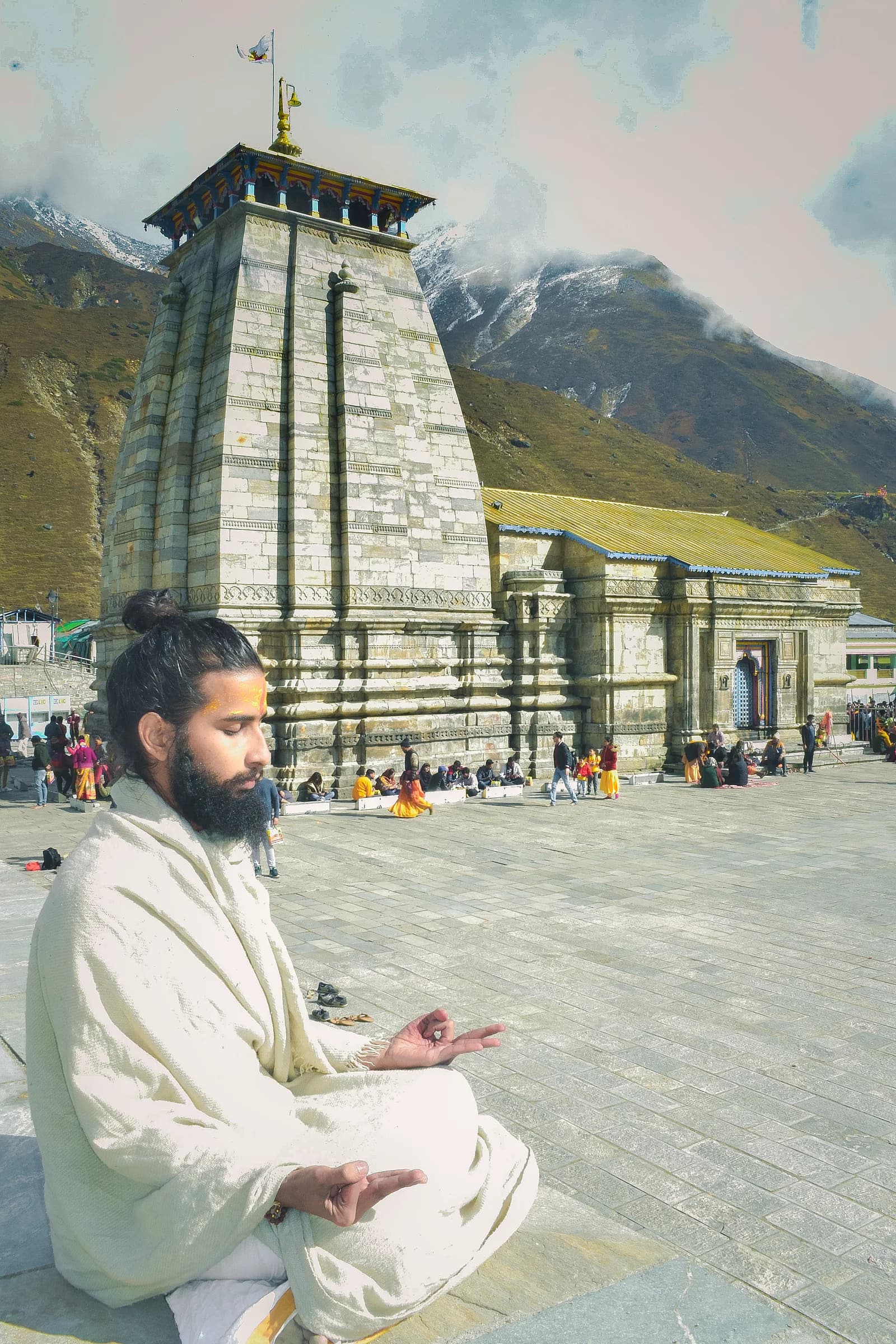
Meditation by the Ganga

Specialised course · 50 hours

Sound Healing & Nāda Yoga Teacher Training in Rishikesh

Sound Healing and Nāda Yoga as part of a living yogic practice: singing bowls, gongs and sacred instruments, learned hands-on. 50 hours, one week, a foundation to share sound healing with others.

A sound healing circle
  • 50 hours over one week
  • Starts 2, 9, 16, 23 of each month
  • From ₹30,000
  • Certificate of Completion

At a glance

The course in one look

Course
Sound Healing & Nāda Yoga Teacher Training
Length
1 week · 6 teaching days · 50 hours
Starts
2nd, 9th, 16th and 23rd of every month
Teacher
Yogi Manish (Yogaacharya Manish)
Format
Residential at Phool Chatti Ashram, or non-residential in Upper Tapovan
Fee
₹30,000 non-residential · ₹51,000 double · ₹60,000 single
Certificate
Certificate of Completion
Group size
Groups of 6 to 10.
Languages
English

Definition

What is sound healing, and what is Nāda Yoga?

What is sound healing? Sound healing is the use of sound and vibration, usually from singing bowls, gongs and the voice, to bring the body and mind into deep rest. A session is received lying or sitting, while a practitioner plays near or on the body. It supports wellbeing; it is not a medical treatment.

What is Nāda Yoga? Nāda Yoga is the yoga of sound. It works with āhata nāda, sound that is struck and heard, and anāhata nāda, the unstruck inner sound that meditation listens for. The Hatha Yoga Pradīpikā describes listening to this inner sound as a way to still the mind.

How they meet in this course Most sound healing courses teach the instruments. This one teaches the instruments inside the practice they came from: you play bowls and gong, and you also chant, breathe and listen inward, so that what you offer others comes from your own practice.

Sound healing and Nāda Yoga training in Rishikesh

Structure

Your training: learn it, then lead it

Learn

Knowledge and demonstration

A practice-led training: you learn by playing, listening and experiencing.

  • Where the practice comes from, and why it works
  • Each technique played and explained
  • You play every day, with the instruments in your hands
  • Guided sessions, then feedback on how you lead
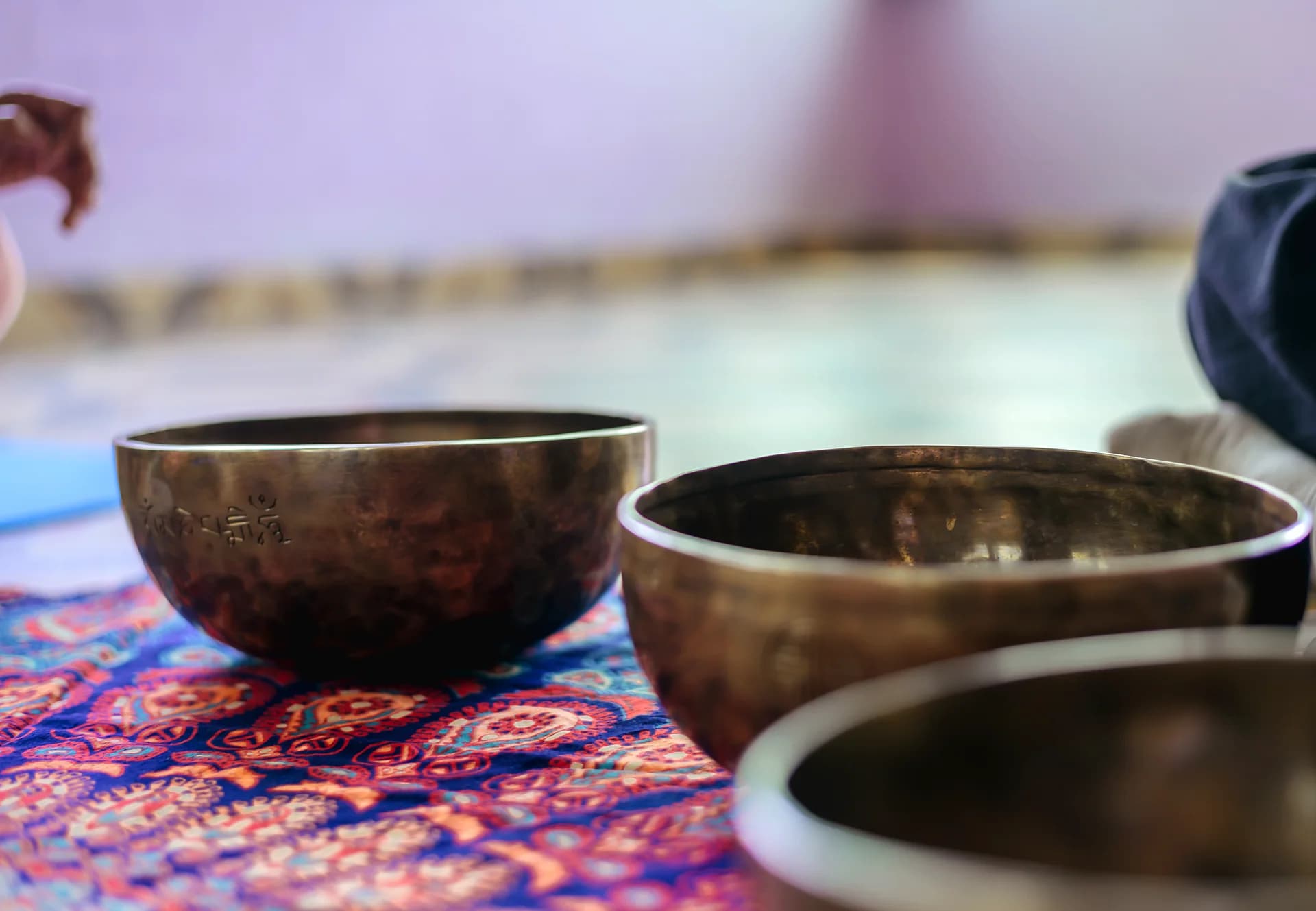
Practise and lead

From receiving to leading

How you practise, and how you finish.

  • Receive: Every day you receive sound before you give it: a session, a sound bath, or a partner's practice.
  • Practise in pairs: From the second day you work on each other, with the teacher correcting your hands, placement and pace.
  • Lead: On the last day you lead a full sound bath for the group, from opening to the last silence.
  • Feedback and certificate: You receive specific feedback, then your certificate. Assessment is practical: the sound bath you lead and one one-to-one session.

50 hours in one week. Every module played, not watched.

Day by day

Your training, day by day

Six teaching days that build from listening to leading a full sound bath.

Day 1

Listening

  • Foundations of Sound Healing and Nāda Yoga
  • Your first bowl, how to strike and rim it, and an evening sound bath to receive before you give one
Day 2

The instruments

  • Singing bowls, gong and sacred instruments in depth
  • Self-healing through sound: humming, chanting and a daily self-practice
Day 3

The chakras

  • Chakra-based healing with bowls and bīja mantras
  • Practising a full chakra session on each other, in pairs
Day 4

Working with people

  • One-to-one sessions and sound massage: intake, placement, pacing, contraindications, closing a session
Day 5

Leading

  • Sound bath and deep relaxation
  • You lead a full sound bath for the group, receive feedback, and receive your certificate

Daily schedule

A day on the course

Early morning at the Yogamani ashram
Early morning
  • 6:00 to 9:00Theory and practical
Morning at the Yogamani ashram
Morning
  • 9:00Breakfast
  • 10:00 to 11:30Activities, journalling or rest
  • 11:30 to 12:30Theory and practical
Afternoon at the Yogamani ashram
Afternoon
  • 1:00Lunch
  • 2:00 to 4:30Rest and personal reflection
  • 4:30 to 6:30Theory and practical, or āratī and kīrtan
Evening at the Yogamani ashram
Evening
  • 7:30Dinner
  • 8:30 to 9:30Sound healing or yoga nidra

Six teaching days, 50 hours.

Curriculum

Inside the training

Every module is played, not watched.

M1 Foundations of Sound Healing and Nāda Yoga, 6 hM2 Singing bowls and sacred instruments, 8 hM3 Self-healing through sound, 6 hM4 One-to-one and group sound sessions, 8 hM5 Chakra-based healing, 7 hM6 Sound bath and deep relaxation, 8 hM7 Sound massage and therapeutic applications, 7 h

50 hours over one week, taught in person. Each module card below shows what it covers.

Module 1 · Foundations of Sound Healing and Nāda Yoga
6 hours

Module 1 · Foundations of Sound Healing and Nāda Yoga

Where sound healing comes from and what Nāda Yoga adds to it.

  • Sound, vibration, frequency and resonance, explained simply
  • Āhata and anāhata nāda: struck sound and unstruck sound
  • Nāda in the Hatha Yoga Pradīpikā and the yoga tradition
Module 2 · Singing bowls and sacred instruments
8 hours

Module 2 · Singing bowls and sacred instruments

The instruments, held, struck and rimmed until the hand knows them.

  • How a singing bowl is made, and how to choose one
  • Striking, rimming and holding a tone steadily
  • The fundamental tone and the overtones above it
Module 3 · Self-healing through sound
6 hours

Module 3 · Self-healing through sound

Your own practice first, so you know from the inside what you will offer others.

  • Humming, chanting and Bhrāmarī breath
  • A daily self-practice with one bowl
  • Sound and pranayama together
Module 4 · One-to-one and group sound sessions
8 hours

Module 4 · One-to-one and group sound sessions

How a session is held, from the first conversation to the last minute of silence.

  • Intake: what to ask before you play
  • Placing bowls on and around the body
  • Holding space: pace, volume and silence
Module 5 · Chakra-based healing
7 hours

Module 5 · Chakra-based healing

The seven chakras as the yoga tradition describes them, and how sound is used with each.

  • The chakras in the yoga tradition
  • Bīja mantras for each chakra
  • Matching bowls and tones to a chakra sequence
Module 6 · Sound bath and deep relaxation
8 hours

Module 6 · Sound bath and deep relaxation

The sound bath, built step by step, alongside yoga nidra.

  • The shape of a sound bath: arrival, journey, return
  • Layering bowls, gong and voice
  • Sound with yoga nidra and guided relaxation
Module 7 · Sound massage and therapeutic applications
7 hours

Module 7 · Sound massage and therapeutic applications

Bowls on the body, and where sound can and cannot help.

  • Sound massage: bowls on the back, chest and feet
  • Sound for stress, sleep and restlessness
  • Contraindications and when not to play

Where you will study

Tapovan shala or Phool Chatti Ashram

The same course in two settings. Choose non-residential if you are already in Rishikesh; choose residential if you want to live inside the course.

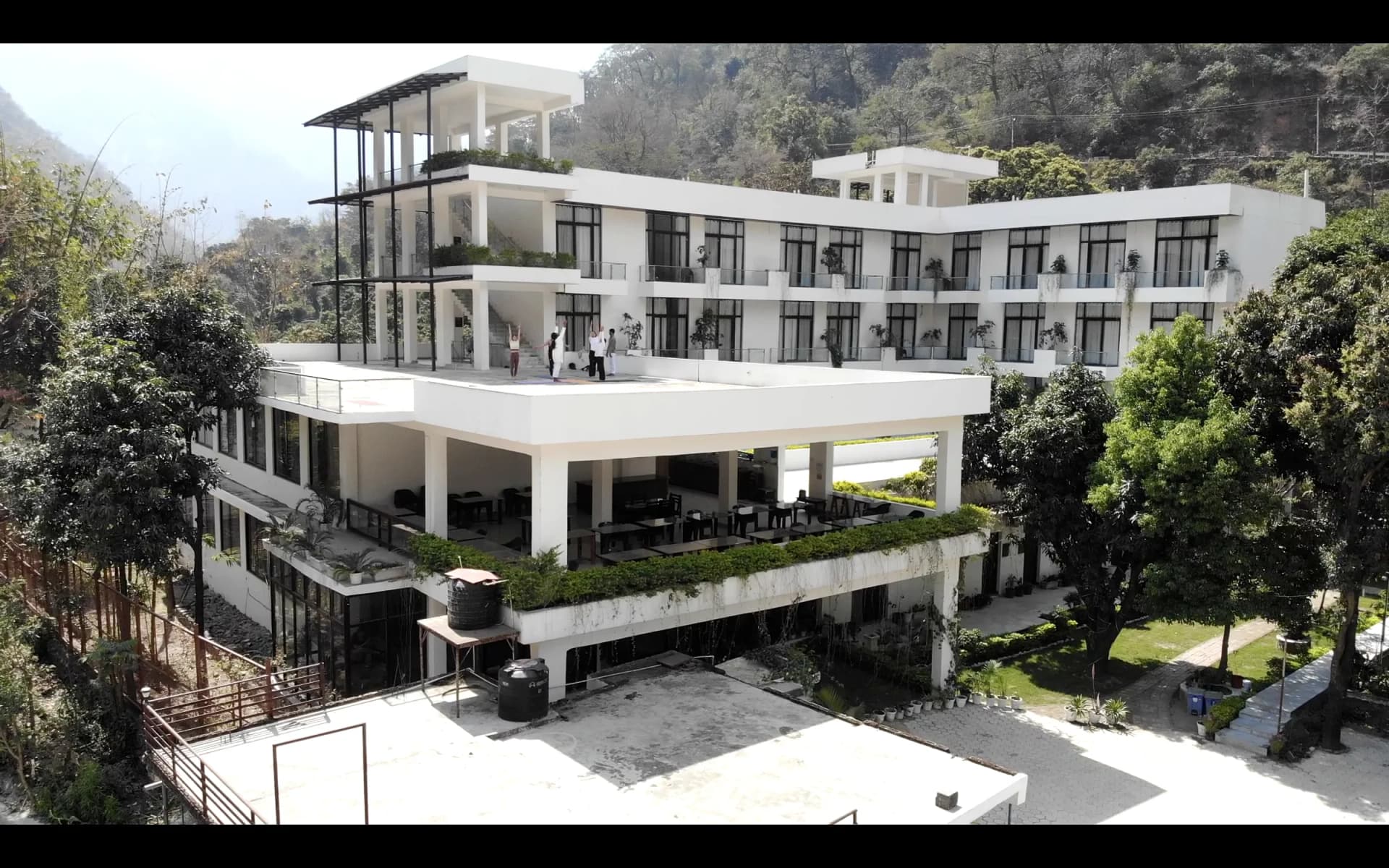
The Yogamani shala in Upper Tapovan
Non-residential

Tapovan shala, Rishikesh

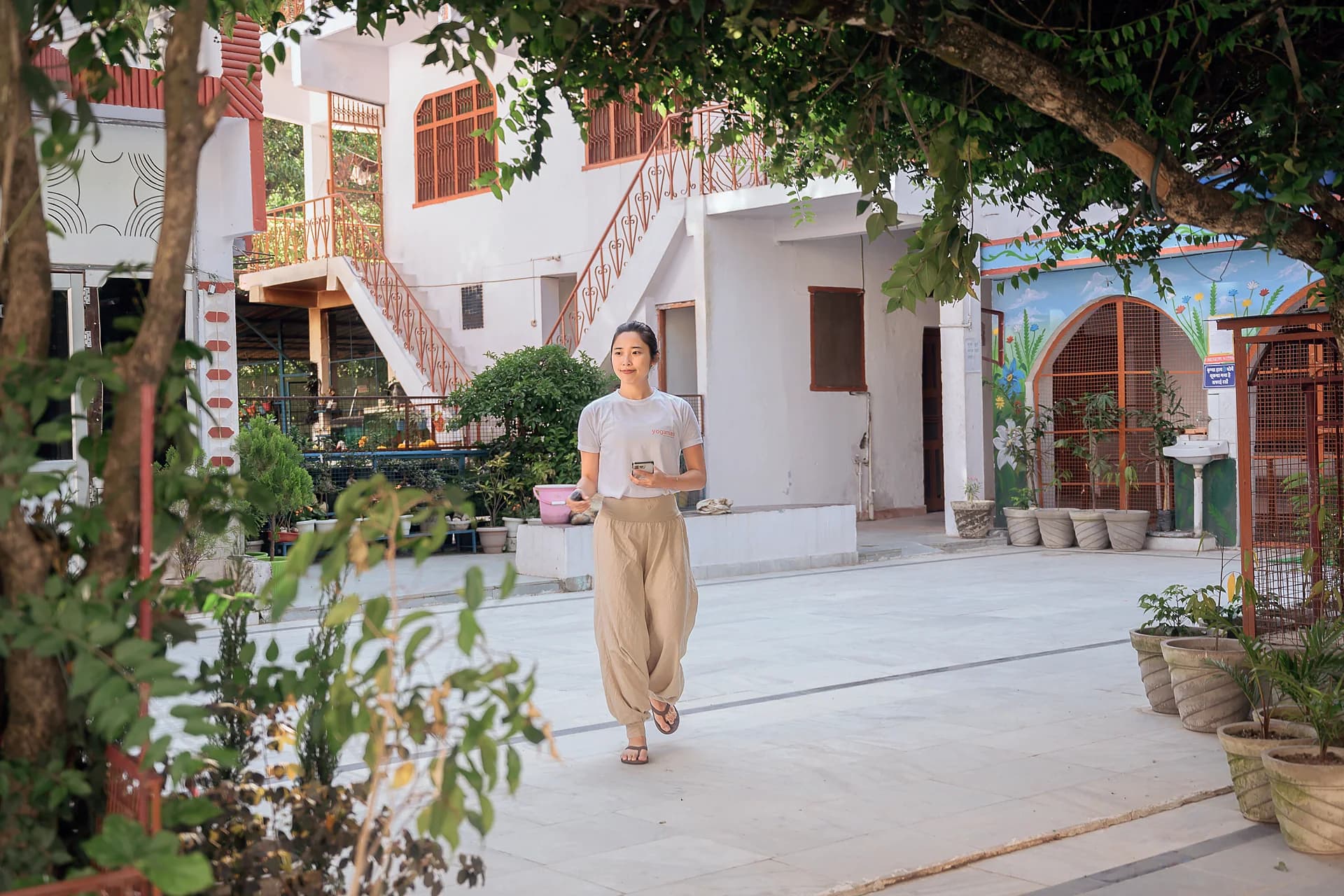
Our own shala in Upper Tapovan. You arrange your own stay nearby and come for the sessions.

  • Suits students already in Rishikesh
  • Choose your own room and food
  • Walk to cafes, the river and Laxman Jhula
Phool Chatti Ashram on the Ganga
Residential

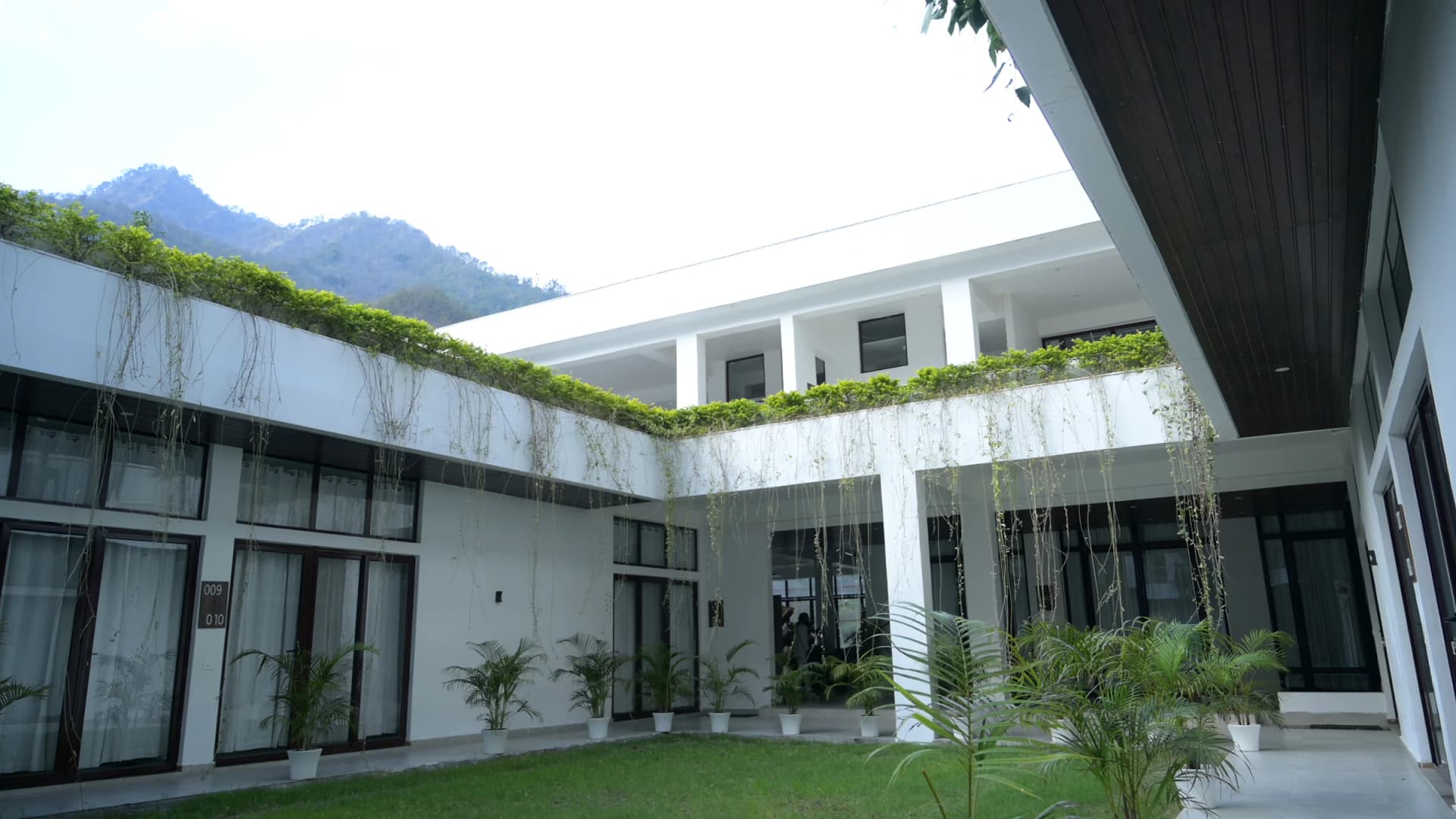
Phool Chatti Ashram

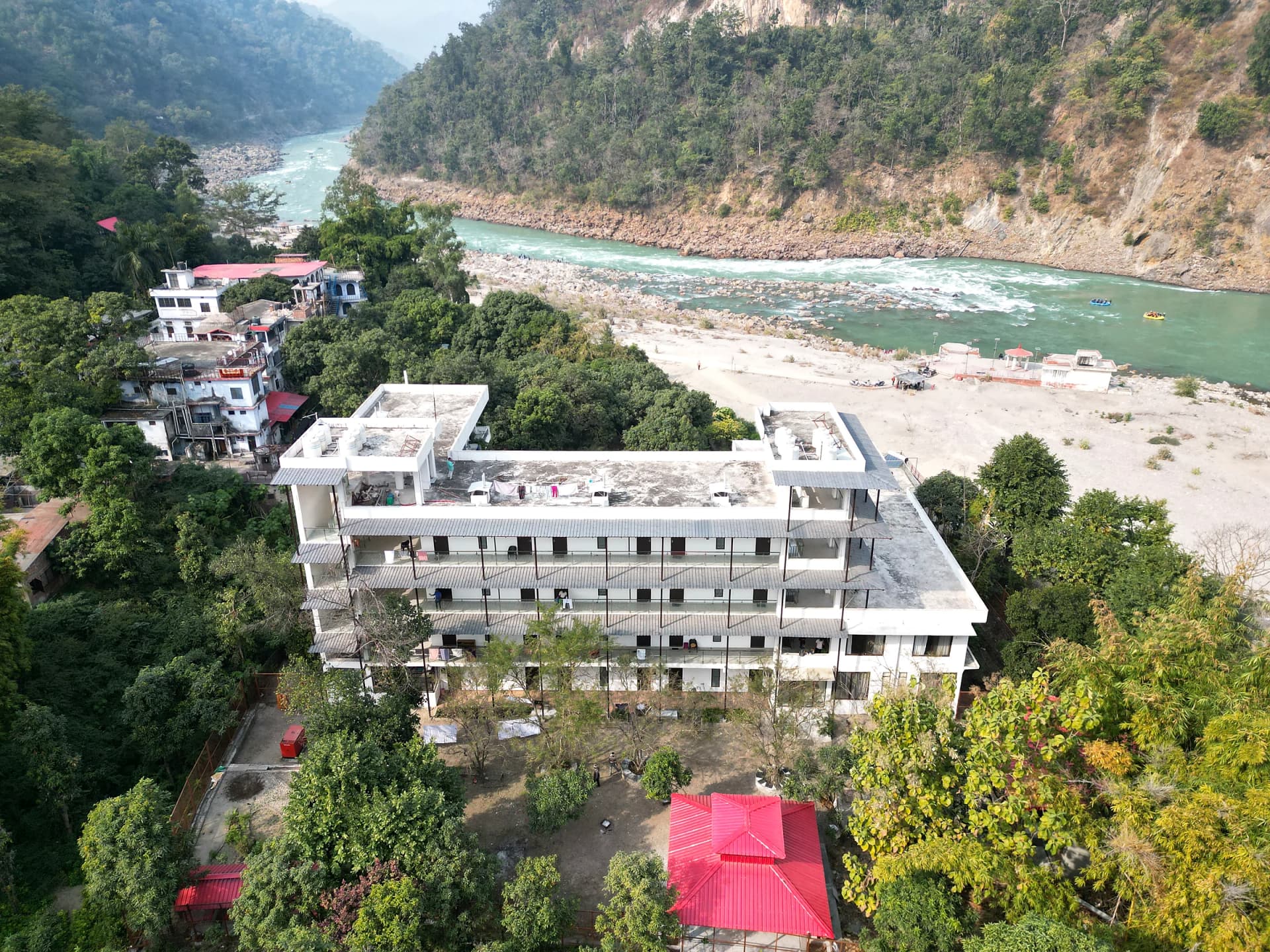
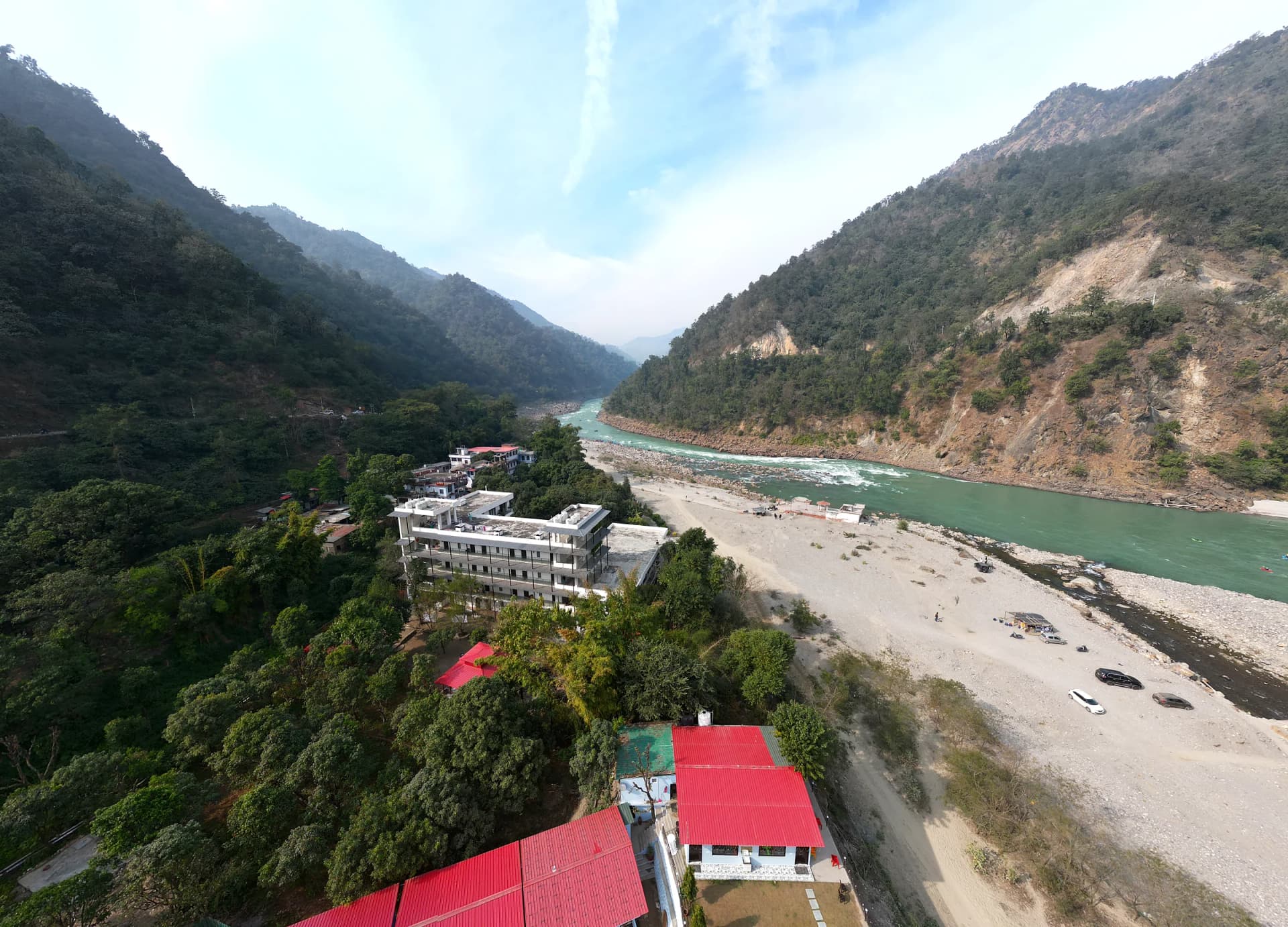
Founded 1885, on the Ganga, 15 km upstream of Rishikesh. You live in the ashram for the whole programme.

  • Room and three sattvic meals included
  • Forest on three sides, no town
  • For when the course should be the only thing in your week

The residential option

Life at Phool Chatti Ashram on the Ganga, since 1885

Phool Chatti Ashram on the Ganga
Since 1885

One of the oldest ashrams on the Ganga, with forest on three sides and no town around it.

1885Founded
15km upstream of Rishikesh
3sides of forest
140years of practice

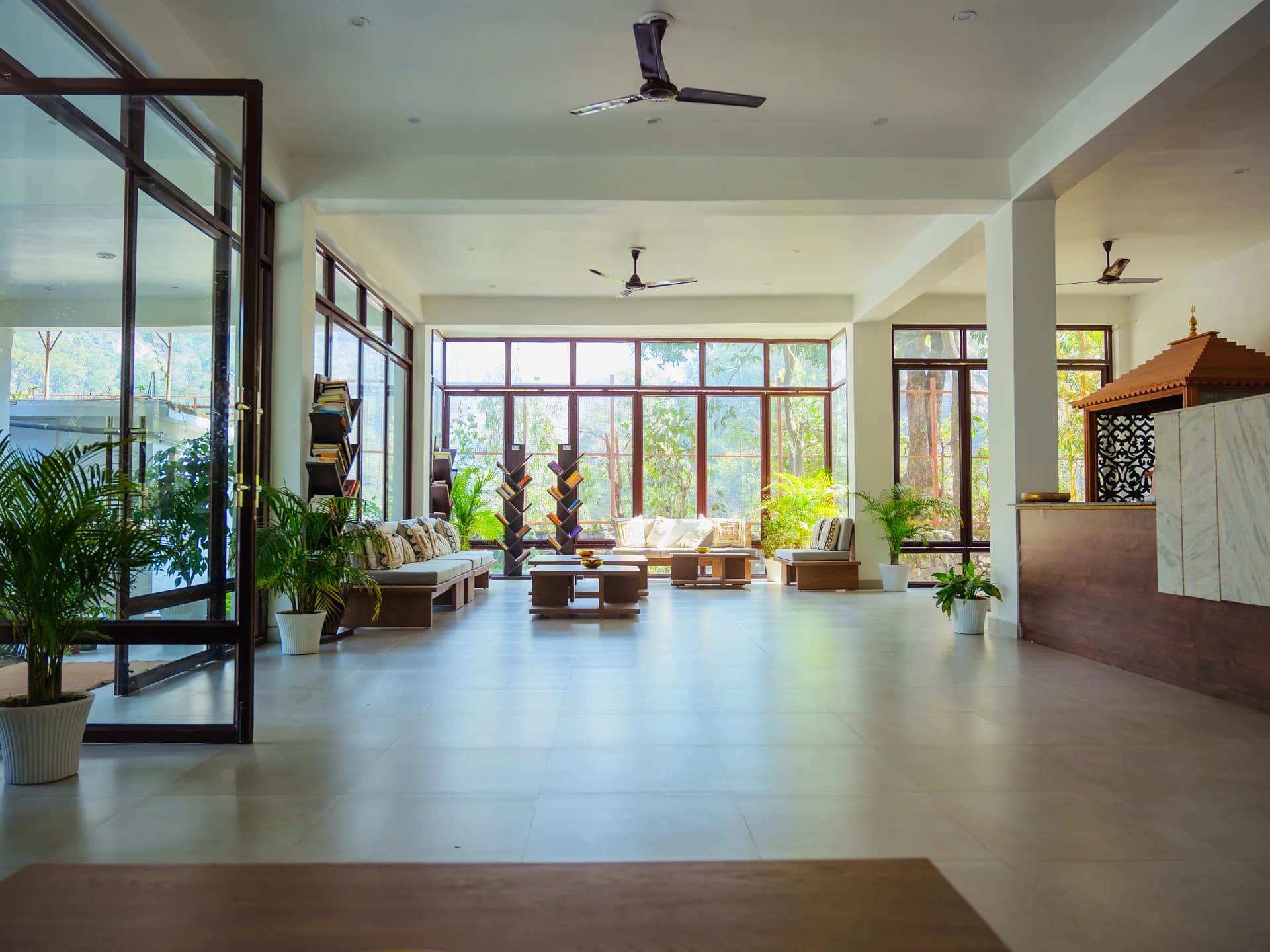
Phool Chatti Ashram sits where the Ganga leaves the hills, about 15 km upstream of Rishikesh. What you hear in the morning is the river and the birds. For over 140 years it has been a place of practice, carried by a lineage of swamis. It is a working ashram, not a resort: modern facilities, but the day follows the ashram rhythm.

Rooms

Simple guest rooms

Clean private and shared rooms with attached bathrooms, bedding and towels.

Food

Three sattvic meals

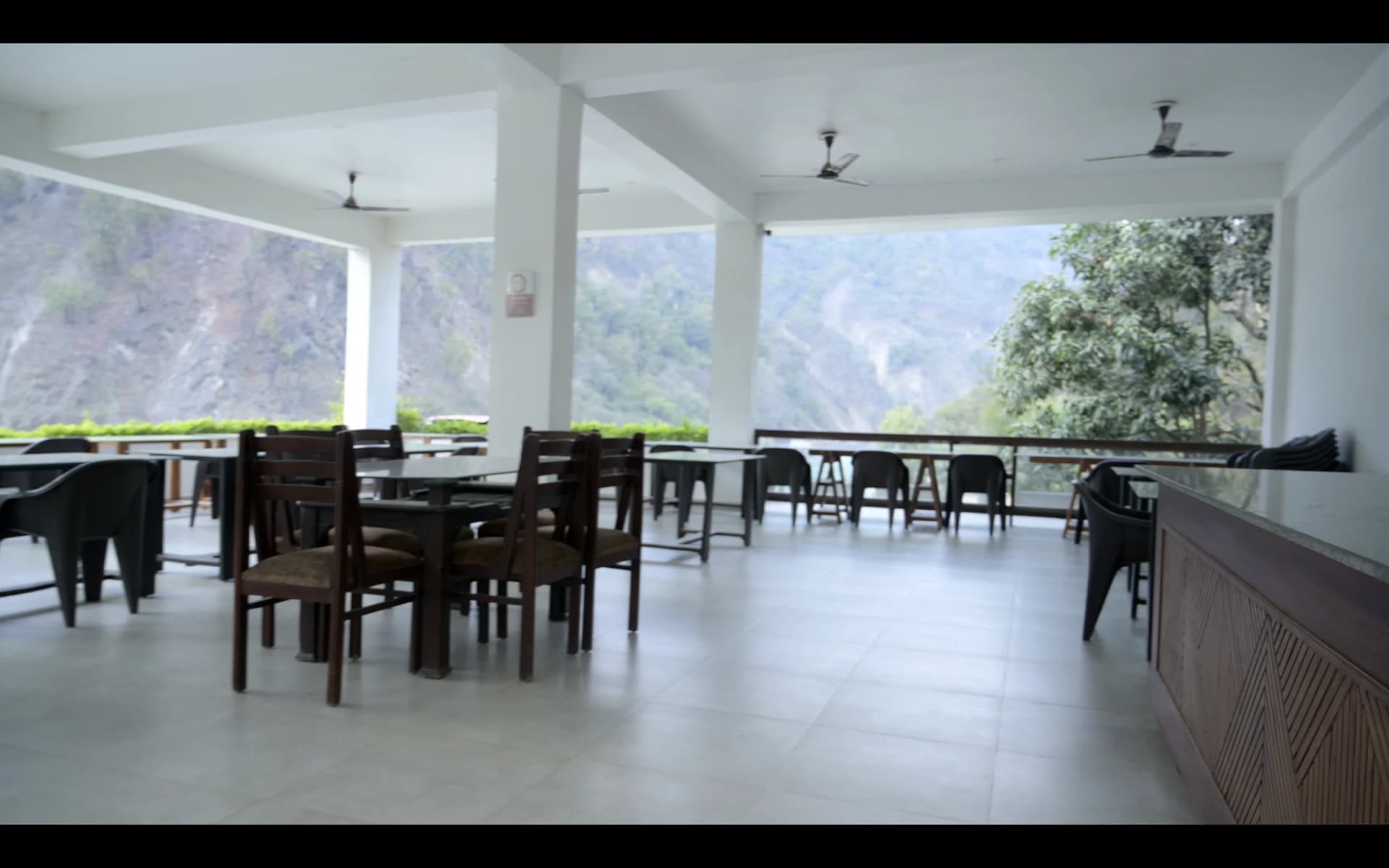
Vegetarian, freshly cooked, served in the dining hall overlooking the Ganga.

Yoga halls

Spacious halls

Bright halls for asana, pranayama, meditation and sound.

Ayurveda

Ayurvedic massage

Traditional Ayurvedic massage, on request, to rest the body between practices.

Library

The ashram library

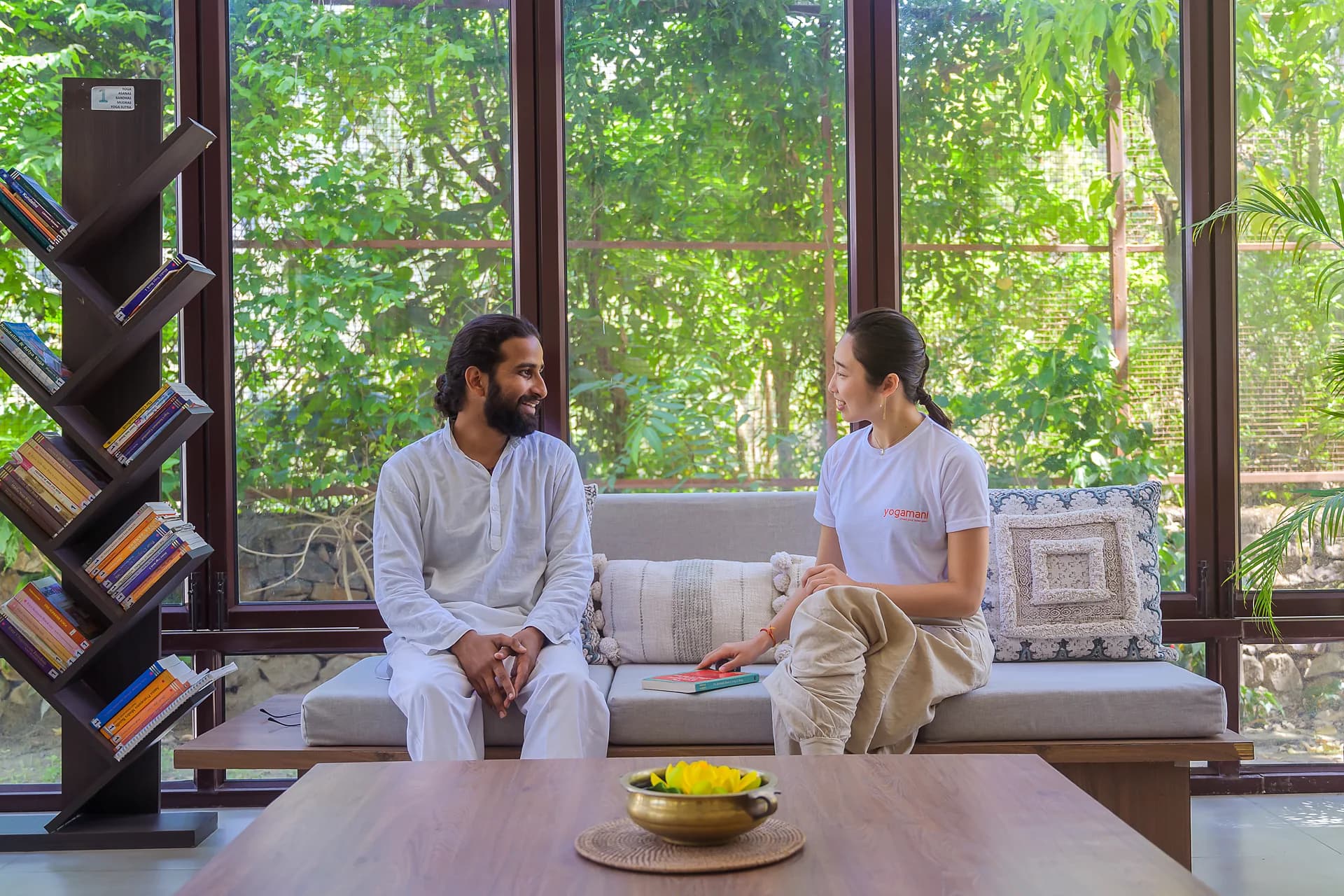
Books on yoga, philosophy and the tradition, to read in the quiet afternoons.

Ganga

Ganga rituals & kirtan

Aarti and kirtan by the river.

Fees

Fees & what's included

Non-residential, Tapovan₹30,000

Daily instruction, use of the bowls and instruments, guided practice and corrections, course manual, certificate.

Residential, Phool Chatti, double₹51,000

All of the above, plus six nights in a shared room, three sattvic meals a day, ashram facilities, and the Ganga.

Residential, Phool Chatti, single₹60,000

As above, in a single room.

Why the fee is what it is.

50 hours over one week works out at ₹600 an hour non-residential. You are taught by the founder, in a small group, with instruments provided, and you lead a full sound bath before you leave.

Non-residential students arrange their own room and meals. About ₹7,000 to ₹10,000 for a week of room and food.

Included

  • 50 hours of training over one week
  • Use of the bowls and instruments
  • Course manual
  • Certificate
  • Residential: room and three sattvic meals a day

Not included

  • Travel to Rishikesh
  • Non-residential: room and meals
  • Instruments to take home
  • Personal expenses

Dates

Dates & how to join

Courses start on the 2nd, 9th, 16th and 23rd of every month, all year.

7 days, 6 nights · Tapovan shala or Phool Chatti Ashram · April 2026 to March 2027

Next23–29 Oct 2026
MonthStart dates · 7 days, 6 nights

April to September 2026: completed

October 2026
November 2026
December 2026
January 2027
February 2027
March 2027

Tap a date to book it on WhatsApp, or to ask how many seats are left.

  1. Send a request

    Here or on WhatsApp.

  2. We confirm

    Your place and the format you want.

  3. Payment

    Details shared personally. A deposit of ₹10,000 holds your place.

  4. Arrive

    We send what to bring and how to arrive.

Who should join

Who should join the sound healing training

01

Yoga teachers

02

Therapists and bodyworkers

03

Musicians and singers

04

Seekers drawn to sound

05

Complete beginners

Eligibility

Eligibility

Open to yoga and meditation teachers, therapists and bodyworkers, people who have felt it and future sound teachers. It is not for you if you want a weekend taster, a qualification without the practice behind it, or a course where you only listen. You will be playing, adjusting and leading from the first days.

  • Minimum age 18
  • Prerequisites: No previous sound healing experience is needed.
  • English good enough to follow a lecture; Hindi also spoken
  • Group size: Groups of 6 to 10.

Why us

Why learn sound healing at Yogamani?

Taught by the founder
01

Taught by the founder

Yogi Manish teaches the course himself. He is a Yogaacharya and sound healer, not a visiting trainer.

50 hours in one week
02

50 hours in one week

Many short sound healing courses run 20 to 30 hours. This one is 50 hours over six teaching days, with practice every day.

Inside a living yoga school
03

Inside a living yoga school

Sound is taught alongside pranayama, mantra, meditation and kīrtan, as part of a daily yoga life in Tapovan.

An ashram on the Ganga
04

An ashram on the Ganga

The residential option is Phool Chatti Ashram, founded in 1885, on the river and in the forest. No town, no traffic.

Getting here

Getting to Rishikesh: visas, flights and arrival

  1. Visa

    A tourist e-visa is what most students need. Apply 4 weeks ahead.

  2. Flying in

    Delhi (DEL) is the main international gateway, about 6 hours by road. Dehradun (DED) is the nearest airport, about 45 minutes away.

  3. Arriving

    Arrive on the course start date by 11:00 am. The course begins on the same day.

  4. Pickup

    We can arrange a pickup from Dehradun Airport at an additional cost, or help arrange a taxi from Delhi for approximately ₹6,500.

  5. What to bring

    Warm layers for the mornings, a shawl for the hall, a torch, a water bottle. December and January are cold.

What to bring

What to bring

Pack light. Bowls and instruments are provided during the course.

  • Comfortable clothes and a shawl for early mornings
  • A notebook for your sound journal, and a water bottle
  • A yoga mat and an eye pillow if you have them
  • Your own bowl, if you have one

Teachers

Who leads the training?

Portrait of Yogaacharya Manish

Yogaacharya Manish

Founder · Sound healing, Nāda Yoga

Yogaacharya and sound healer, founder of Yogamani. He spent almost three years in sadhana at Kedarnath before founding the school, and teaches every batch of this course himself. He learned Nāda Yoga from his guru and has taught sound for over ten years. For him, sound is the easiest door into stillness.

Hindi, English, Japanese

Certification

Your certificate

Certificate of Completion

On completion you receive a Certificate of Completion.

What it does: shows that you completed 50 hours of sound healing and Nāda Yoga training with a registered school, and that you led a sound bath under supervision.

What it does not do: make you a medical practitioner or a therapist. Sound healing is a wellbeing practice.

Reviews

What students say on Google

Read what students say about Yogamani on Google Maps.

Reviews on Google

GGoogle Business Profile
Read what students say about Yogamani on Google, and share your own experience.

Reviews from our Google Business Profile.

Questions

Questions you may have

The use of sound and vibration, usually singing bowls, gongs and the voice, to bring the body and mind into deep rest. It supports wellbeing and is not a medical treatment.

The yoga of sound: working with struck sound you can hear, and listening in meditation for the unstruck inner sound described in the Hatha Yoga Pradīpikā.

One week: six teaching days, 50 hours. Batches start on the 2nd, 9th, 16th and 23rd of every month, all year.

No previous sound healing experience is needed.

No. You do not need to be a yoga teacher.

A Certificate of Completion.

Yes. The certificate lets you teach sound healing sessions professionally.

The Deep Dive is study: one to four weeks of practice in sound for yourself, with a Certificate of Completion. This course is a teacher training: one intensive week, and you finish able to lead sessions, with a Certificate of Completion.

No. It supports rest and wellbeing alongside medical care, never instead of it. The course teaches the limits clearly.

Anyone with a pacemaker or implanted device, epilepsy, pregnancy, unhealed surgery or metal implants should take medical advice first, and bowls are not placed on the body in those cases.

Bowls and instruments are provided during the course. Students can buy bowls through us at local prices.

Yes, there are many bowl shops in Rishikesh. Bring a bowl to class and we will tell you honestly how it sounds.

Residential if you want the ashram rhythm, meals and evenings at Phool Chatti; non-residential if you are already in Tapovan or prefer your own room.

English, with Hindi also spoken. Japanese on request with Yogi Manish.

Groups of 6 to 10.

Cancel 14 days before for a full refund minus the deposit.

Send a request here or on WhatsApp. We confirm your place and share payment details personally. There is no online payment on the site.

Policy

Rescheduling and refunds

Plans change. Tell us as early as possible and we will move your booking to a later date wherever we can.

Full refund and cancellation policy

  • Bookings can move to a future date
  • Tell us as early as possible
  • Transfers depend on availability
  • Payment details are shared personally, never online

Reserve your place

Tell us your start date and the format you want, and we will confirm your place on WhatsApp. Not sure yet? Ask anything; Yogi Manish answers sound questions himself.

Payment can be made at the shala or online/UPI. We confirm everything with you personally.

Syllabus

The full syllabus

Every module of the 50 hours, in detail. Open any module to see what it covers.

Open any module to see what it covers. Taught in English, with Hindi support.

01Foundations of Sound Healing and Nāda YogaWhere sound healing comes from and what Nāda Yoga adds to it.Module 1 · 6 hours

Where sound healing comes from and what Nāda Yoga adds to it.

You will practise

  • Sound, vibration, frequency and resonance, explained simply
  • Āhata and anāhata nāda: struck sound and unstruck sound
  • Nāda in the Hatha Yoga Pradīpikā and the yoga tradition
02Singing bowls and sacred instrumentsThe instruments, held, struck and rimmed until the hand knows them.Module 2 · 8 hours

The instruments, held, struck and rimmed until the hand knows them.

You will practise

  • How a singing bowl is made, and how to choose one
  • Striking, rimming and holding a tone steadily
  • The fundamental tone and the overtones above it

The instruments

  • Himalayan singing bowls: Metal bowls struck and rimmed. The core of the course: a sound bath, a chakra session and sound massage are all built on them.
  • Gong: Long, layered tones that carry a whole room. Used for deep relaxation in a group.
  • Voice, mantra and Om: In Nāda Yoga the voice comes first: humming, chanting, bīja mantras and listening inward.
  • Crystal bowls: used for deep relaxation and chakra work.
  • Bells, tingsha and chimes: Small, bright sounds used to open and close a session.
  • Tuning forks: Precise single tones held near the body or the ears.
03Self-healing through soundYour own practice first, so you know from the inside what you will offer others.Module 3 · 6 hours

Your own practice first, so you know from the inside what you will offer others.

You will practise

  • Humming, chanting and Bhrāmarī breath
  • A daily self-practice with one bowl
  • Sound and pranayama together
04One-to-one and group sound sessionsHow a session is held, from the first conversation to the last minute of silence.Module 4 · 8 hours

How a session is held, from the first conversation to the last minute of silence.

You will practise

  • Intake: what to ask before you play
  • Placing bowls on and around the body
  • Holding space: pace, volume and silence
05Chakra-based healingThe seven chakras as the yoga tradition describes them, and how sound is used with each.Module 5 · 7 hours

The seven chakras as the yoga tradition describes them, and how sound is used with each.

You will practise

  • The chakras in the yoga tradition
  • Bīja mantras for each chakra
  • Matching bowls and tones to a chakra sequence
06Sound bath and deep relaxationThe sound bath, built step by step, alongside yoga nidra.Module 6 · 8 hours

The sound bath, built step by step, alongside yoga nidra.

You will practise

  • The shape of a sound bath: arrival, journey, return
  • Layering bowls, gong and voice
  • Sound with yoga nidra and guided relaxation
07Sound massage and therapeutic applicationsBowls on the body, and where sound can and cannot help.Module 7 · 7 hours

Bowls on the body, and where sound can and cannot help.

You will practise

  • Sound massage: bowls on the back, chest and feet
  • Sound for stress, sleep and restlessness
  • Contraindications and when not to play
08Practicum & assessmentReceive, practise in pairs, lead, and receive your certificate.Practice

Assessment is practical: the sound bath you lead and one one-to-one session.

How you finish

  • Receive: Every day you receive sound before you give it: a session, a sound bath, or a partner's practice.
  • Practise in pairs: From the second day you work on each other, with the teacher correcting your hands, placement and pace.
  • Lead: On the last day you lead a full sound bath for the group, from opening to the last silence.
  • Feedback and certificate: You receive specific feedback, then your certificate. Assessment is practical: the sound bath you lead and one one-to-one session.

Languages

Learn in multiple languages

  • EnglishAll programmes
  • हिंदीAll programmes
  • 日本語On selected programmes

Need another language? Message us on WhatsApp and we will try to arrange it, with an interpreter if needed.

Practising yoga at home with a laptop

Online

Prefer to learn from home?

Deep Dive, Pranayama, Meditation and Yoga Nidra are also taught online, live, by the same teachers.

See online courses