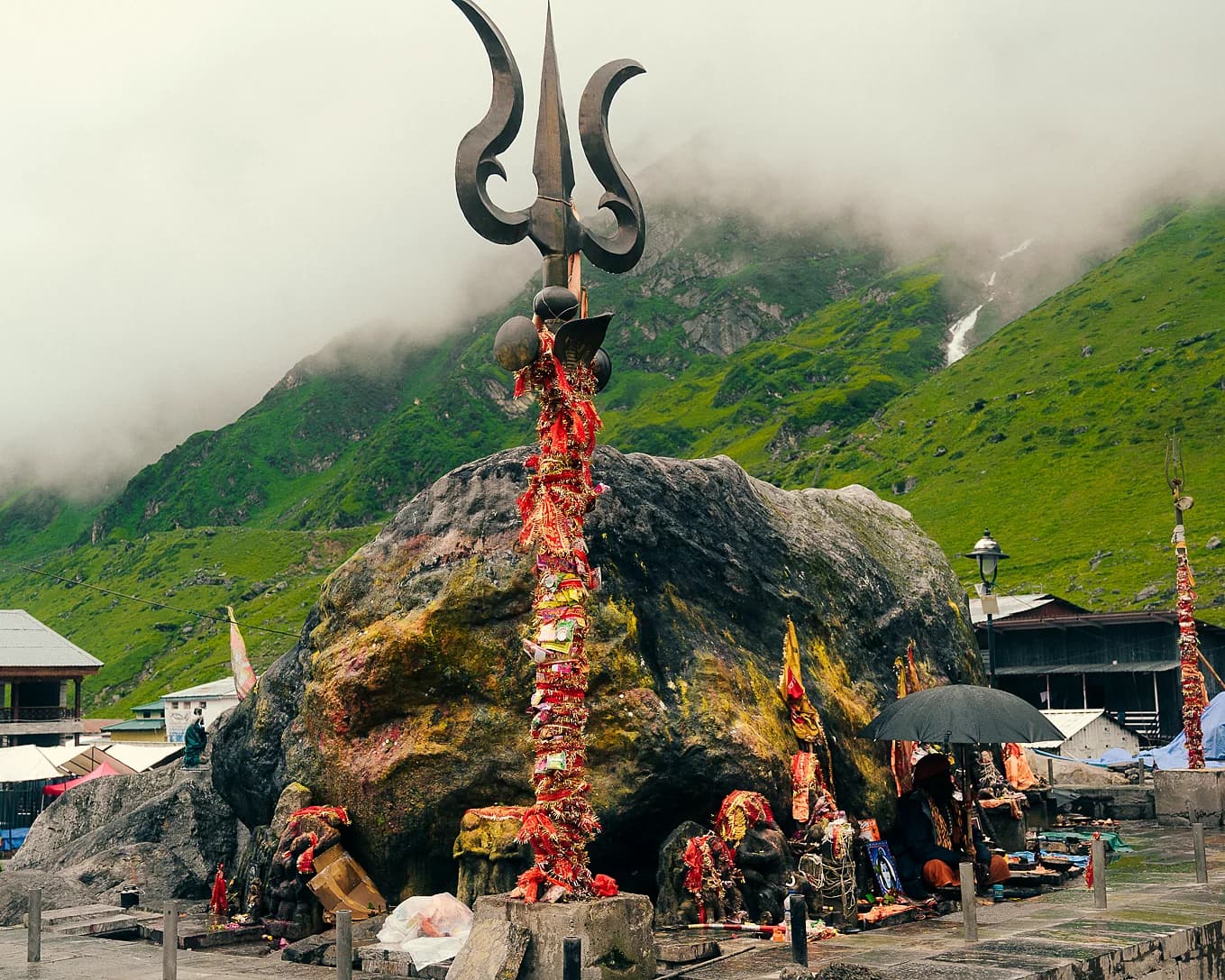
Panch Kedar means "the five Kedars": five temples of Shiva in the Garhwal Himalayas of Uttarakhand. They are Kedarnath, Tungnath, Rudranath, Madhyamaheshwar and Kalpeshwar. Each is reached on foot from a road head, the high temples open only in the warmer months, and walked in order they form one of the oldest pilgrimages above Rishikesh.
This guide explains the story behind the Panch Kedar temples, the traditional order, what each walk is like, when the temples are open, and how to prepare for a Panch Kedar yatra.
What are the Panch Kedar temples? The story
The story told in Garhwal begins after the war of the Mahabharata. The Pandava brothers went into the Himalayas to seek Shiva and ask forgiveness. Shiva did not wish to be found and took the form of a bull to hide among the herds. When he was recognised, he sank into the earth, and his form appeared again in five places, the five temples of Shiva.
- Kedarnath: the hump
- Tungnath: the arms
- Rudranath: the face
- Madhyamaheshwar: the navel
- Kalpeshwar: the hair
This is why the order matters to pilgrims. Walking the Panch Kedar one temple after another is understood as walking the whole form of Shiva, not collecting five separate sights. Each temple keeps its own priests, rituals and character, and each sits in a different valley.
In which order are the Panch Kedar temples visited?
The traditional Panch Kedar order, with the walk from each road head as it is usually given:
- Kedarnath, 3,583 m: 16 to 18 km from Gaurikund. The best known of the five, and also one of the Char Dham temples.
- Tungnath, 3,680 m: 3.5 to 4 km from Chopta. The highest Shiva temple, and the shortest of the high walks.
- Rudranath, 3,559 m: 18 to 20 km from Sagar. The longest and hardest walk, through forest and high meadow.
- Madhyamaheshwar, 3,490 m: 8 to 10 km from Ransi, in a quiet green valley.
- Kalpeshwar, 2,200 m: about 3 km, and the only one of the five open all year.
Distances on mountain paths are always approximate. Routes shift after landslides and new paths are cut, so the exact figures for your Panch Kedar trek are shared when you plan the journey.
What is the best time for Panch Kedar?
The high temples close for winter, when snow covers the paths, and open again in spring. Kedarnath usually opens in late April or early May and closes in the autumn; Tungnath, Rudranath and Madhyamaheshwar also close for the winter months. Dates are fixed each year by the temple calendar. During the closed months the deities are worshipped at winter seats lower down; for Kedarnath this is Ukhimath.
- May to June: the main Panch Kedar season. The temples open, the high routes clear, and these are the busiest months.
- July and August: the monsoon, when rain and landslides make mountain travel slower and less predictable.
- September to October: after the monsoon, with clear skies and quieter trails, often the most beautiful time.
- November to April: the high temples are closed. Kalpeshwar stays open, and the lower winter yatras run.
If you are reading this in winter, it is a good time to plan the coming Panch Kedar season rather than to set out for the high temples.
Whole Panch Kedar yatra, part of it, or one temple?
Not everyone walks all five. The full Panch Kedar yatra takes many days of walking and travel between valleys, and it asks for steady fitness. Many pilgrims choose part of it instead.
- Tungnath on its own is a good first pilgrimage: the highest temple, but a walk of under 4 km.
- Kedarnath on its own suits those who want the best-known temple and a full day's climb.
- Kalpeshwar is the answer for the months when the other Panch Kedar temples are shut.
- Kedarnath can also be walked as part of the Char Dham, with Yamunotri, Gangotri and Badrinath.
How difficult is the Panch Kedar trek?
These are Himalayan treks, not sightseeing walks. Expect stone steps, forest paths and open mountain trail, steep climbs on some days, and weather that can change within an hour. Most of the Panch Kedar temples stand at around 3,500 metres, where the air is thinner and the body needs time to adjust. You do not need to be a mountaineer, but you should be comfortable walking uphill for several hours.
Here is how to prepare for a Himalayan trek like this:
- Walk regularly for some weeks before you come, including uphill if you can.
- Bring layers, a rain jacket and shoes you have already walked in.
- Go slowly, drink water and rest when the body asks.
- If you have a heart, lung or blood-pressure condition, speak to your doctor before any high-altitude walk.
Walking the Panch Kedar as a Yogayatra
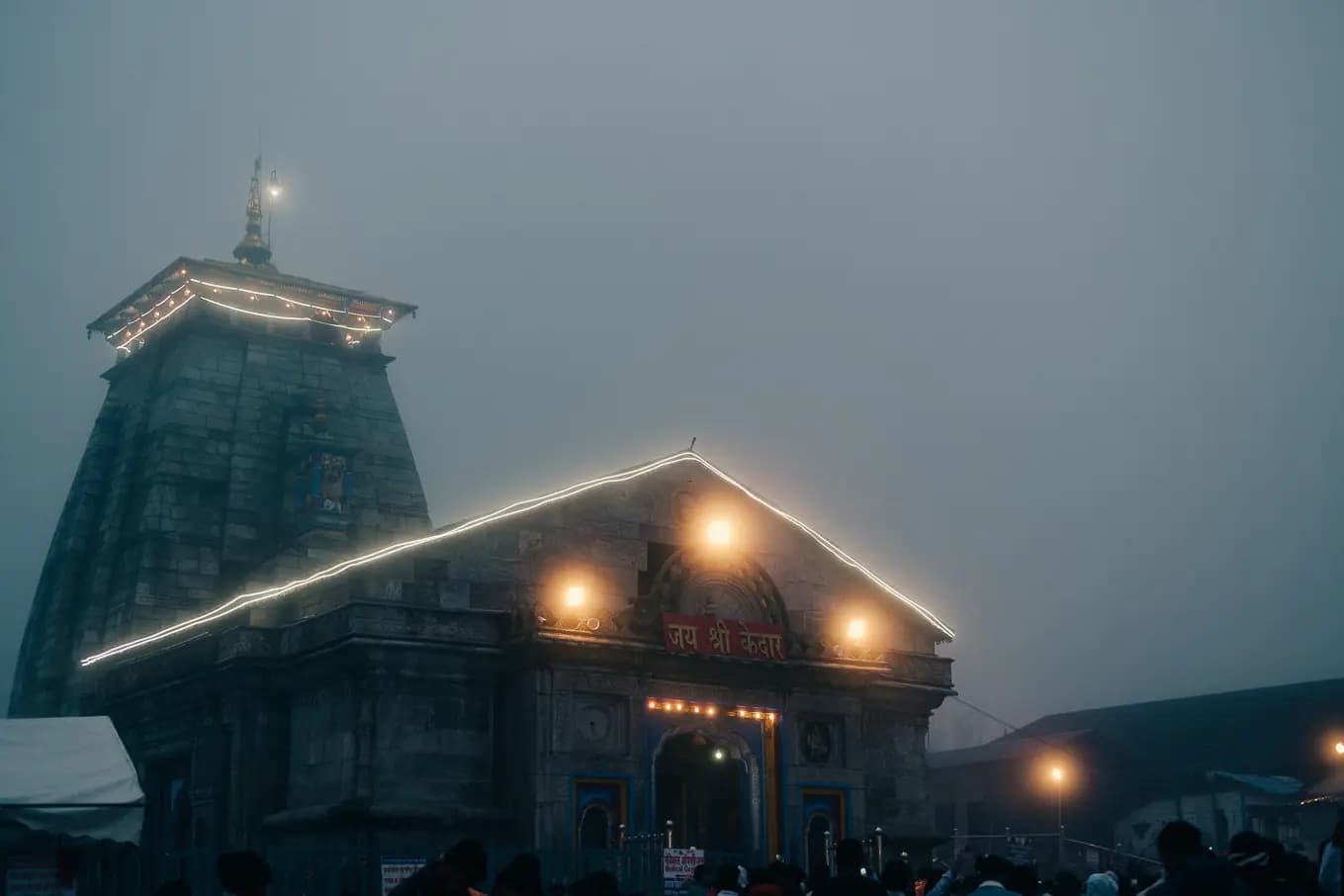
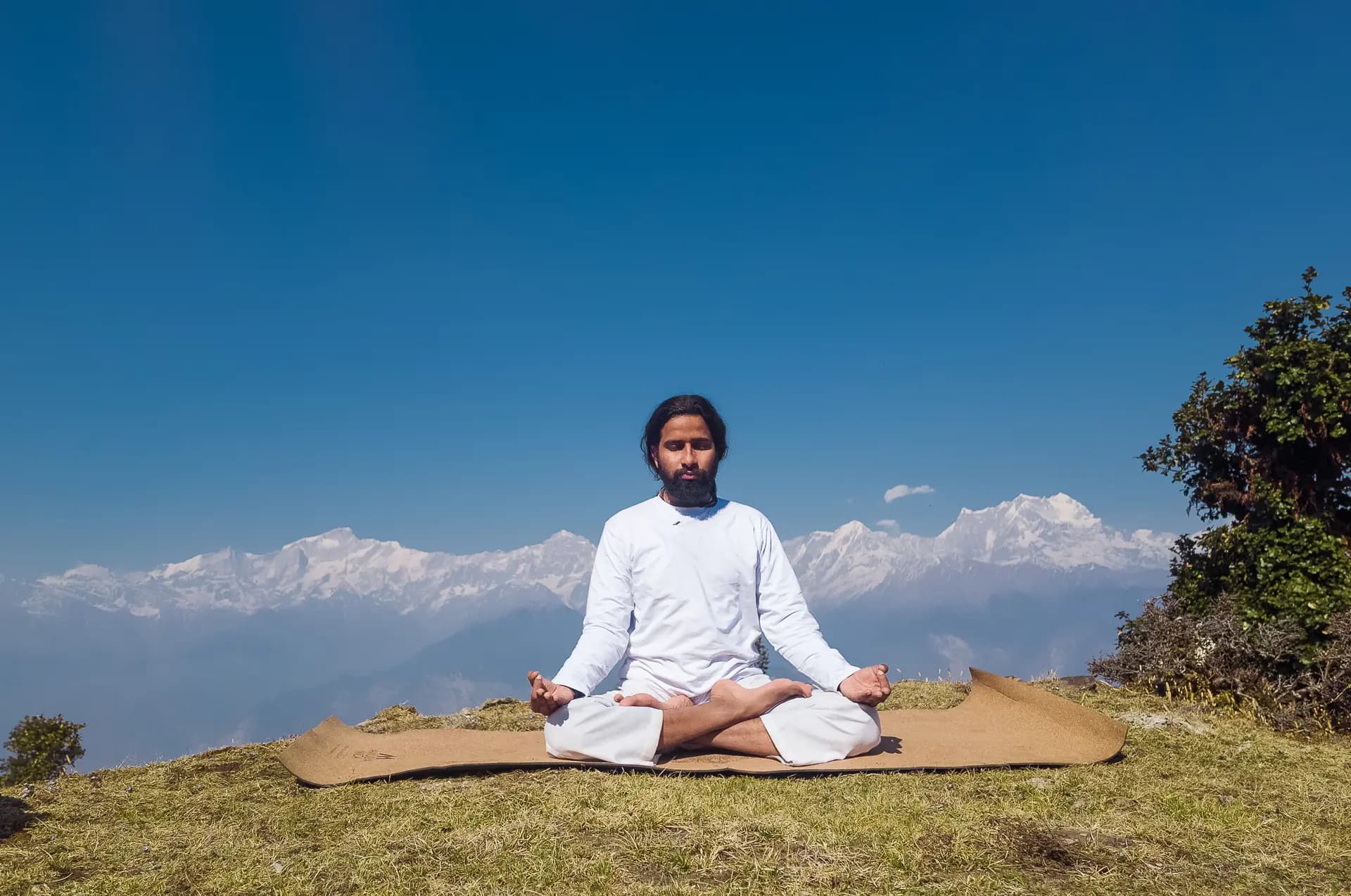
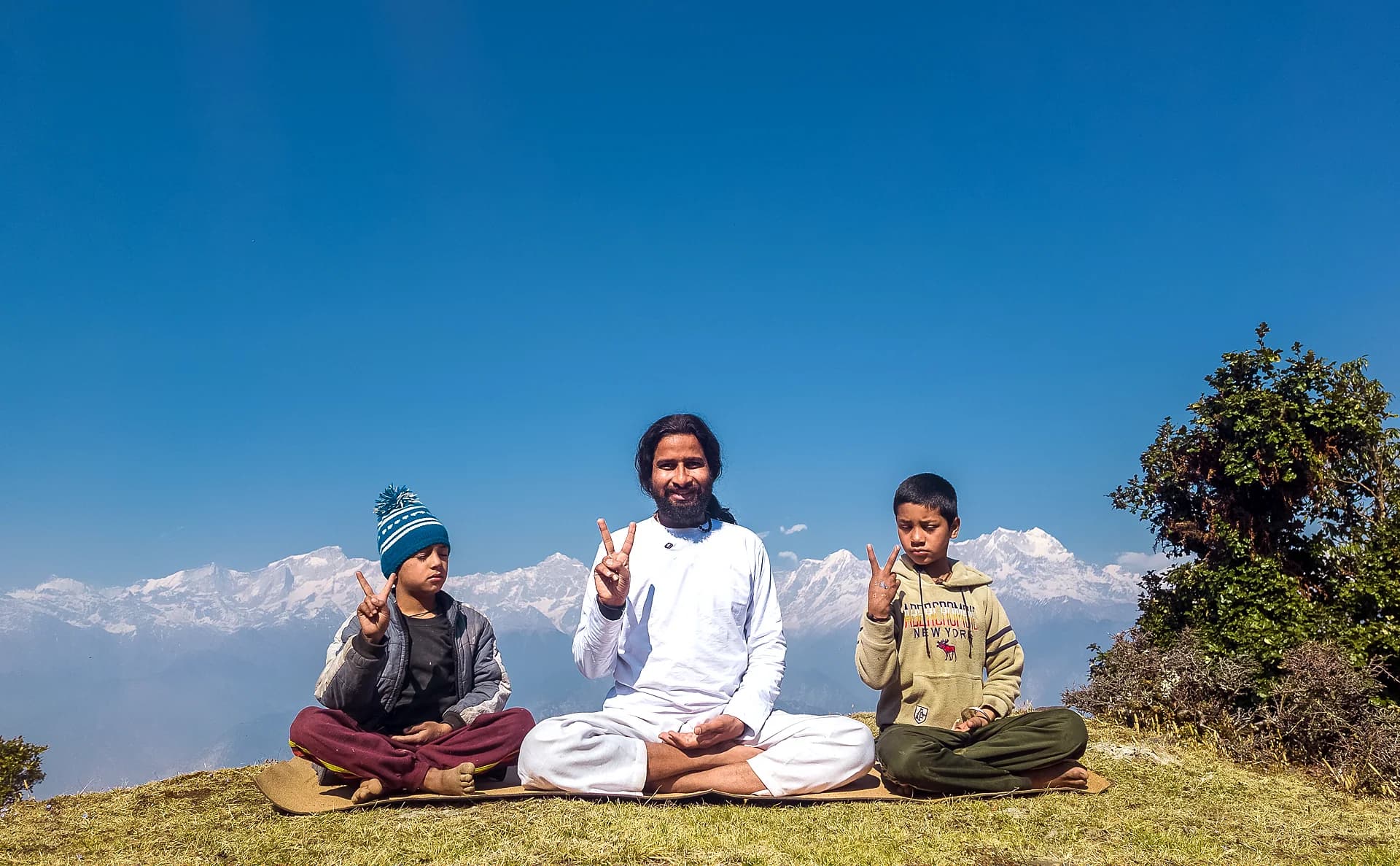
At Yogamani, the Panch Kedar is walked as a Yogayatra: a pilgrimage with practice woven through each day. Mornings begin with pranayama and meditation, the day is spent walking, often in silence, and evenings end with yoga, japa and aarti at the day's temple. Yogaacharya Manish spent nearly three years in sadhana at Kedarnath, and the yatras grew from his own journeys on these paths.
The Himalayas were the first teachers. Silence was the first guide. The breath was the first mantra.
Frequently asked questions about Panch Kedar
Which Panch Kedar temple is open all year?
Kalpeshwar, the fifth temple in the traditional order, is the only one of the five that stays open all year. It sits at about 2,200 metres and is reached by a short walk.
How many days does the full Panch Kedar yatra take?
The full Panch Kedar takes many days, because each temple is in a different valley and most need a long walk in and out. The exact length depends on your route, pace and the season.
Which Panch Kedar temple is easiest for beginners?
Tungnath is a popular first choice: it is the highest of the five temples, yet the walk from Chopta is under 4 km. Kalpeshwar is also short and stays open in winter.
Can I combine Panch Kedar with the Char Dham?
Kedarnath belongs to both pilgrimages, so many people walk it as part of the Char Dham, with Yamunotri, Gangotri and Badrinath, and add other Panch Kedar temples another year.
Related reading
- Winter yatras: walking the Himalayas from November to April
- Ashram on Ganges: a forest ashram on the Ganga, since 1885
- What is Nada yoga? The yoga of sound, simply explained
Plan your yatra
If the Panch Kedar, a single temple such as Tungnath, or the Char Dham is calling you, look at the Panch Kedar Yogayatra and the Char Dham Yogayatra on the Yogayatra page, or message Yogamani on WhatsApp with your dates and how much walking you are comfortable with.