The Char Dham Yatra is the Himalayan pilgrimage to four temples in Uttarakhand: Yamunotri, Gangotri, Kedarnath and Badrinath. Most pilgrims start from Rishikesh or Haridwar and travel west to east. At Yogamani, the Char Dham Yatra is walked as a Yogayatra, with daily pranayama, meditation and trekking between the temples.
This guide explains what the four dhams are, the order they are visited in, when the season runs, how many days to plan, and how to prepare your body and mind. It also explains how a Char Dham Yatra with Yogamani differs from a bus tour. Yogamani is a yoga school in Tapovan, Rishikesh, and its yatras are led by the Yogamani team.
What is the Char Dham Yatra?
The Char Dham Yatra is a circuit of four sacred sites high in the Garhwal Himalayas. Char means four and dham means abode, a seat of the divine. Each dham sits near the source of a holy river, so the journey is also a pilgrimage along the rivers that become the Ganga.
- Yamunotri: the seat of the goddess Yamuna, near the source of the Yamuna river.
- Gangotri: the seat of the goddess Ganga, on the Bhagirathi, the main source stream of the Ganga.
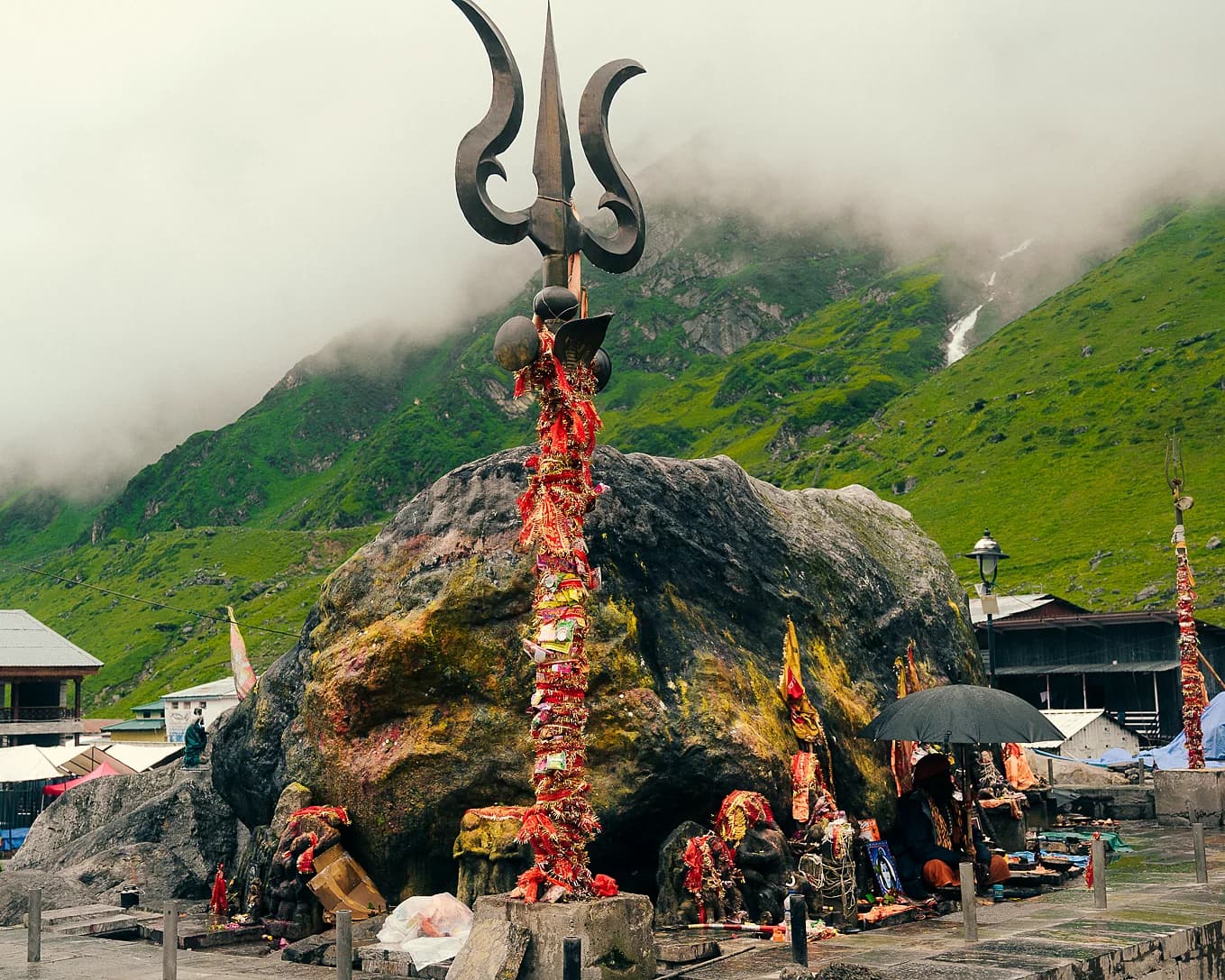
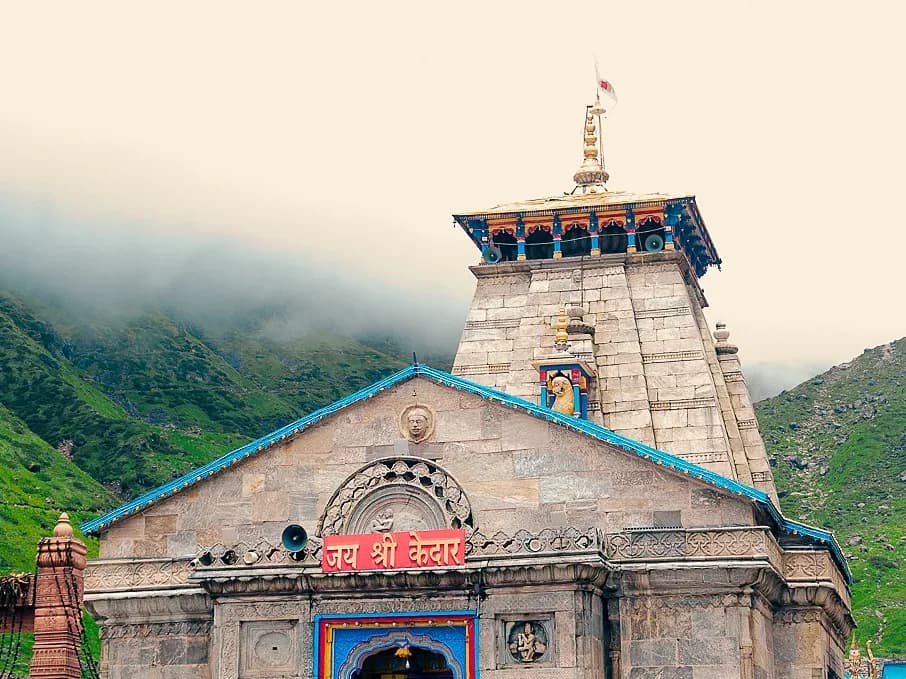
- Kedarnath: a temple of Shiva and one of the twelve jyotirlingas, above the Mandakini valley.
- Badrinath: the seat of Vishnu as Badri Narayan, on the banks of the Alaknanda.
Together the four Char Dham temples hold a special place in Hindu devotion. Many families save for years to make the journey once in a lifetime. For a yoga student, the Char Dham Yatra is also a chance to practise where the tradition grew: in the high valleys of Devbhoomi, the land of rishis and yogis.
In which order are the four dhams visited?
The four dhams are traditionally visited from west to east: Yamunotri first, then Gangotri, then Kedarnath, and Badrinath last. This clockwise order is followed by most pilgrims and by most routes on the Char Dham Yatra from Rishikesh.
The Char Dham Yatra road leaves Rishikesh and climbs into the Yamuna valley. It crosses to the Bhagirathi valley for Gangotri, then turns east towards the Mandakini for Kedarnath. The last leg follows the Alaknanda to Badrinath, and the way home runs back down to Rishikesh along the river.
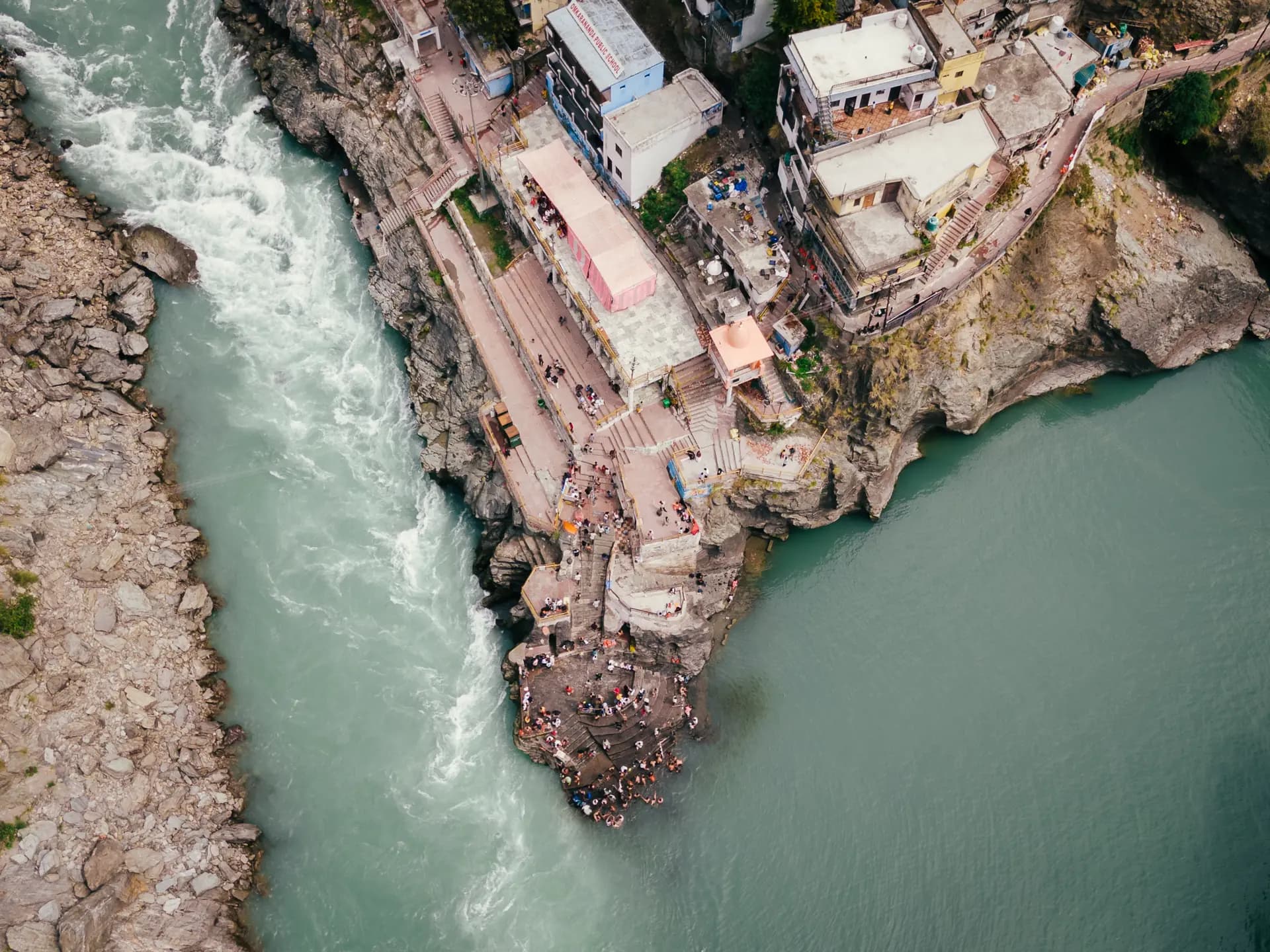
Some people walk only two of the temples. This shorter Do Dham yatra covers Kedarnath and Badrinath, and suits those with less time. Yogamani offers the Do Dham route as well as the full Char Dham Yatra.
When is the best time for Char Dham Yatra?
The best time for Char Dham Yatra is May to June and again September to October. The temples open in late spring, and the high routes clear of snow. Yogamani lists its Char Dham season as May to November.
May and June are the main Char Dham Yatra months, and the roads and temples are at their busiest. July and August bring the monsoon, with rain, landslides and closed roads, so most walkers avoid them. After the monsoon, September and October bring clear skies and quieter trails, and the Yogamani team counts this as its favourite time in the mountains.
The temples close for winter, and the deities are carried down to their winter seats in lower villages. Exact opening and closing dates are announced by the temple committees each year and move by a few days. If you are planning outside the season, the winter yatra guide in the Yogamani Journal covers the routes that stay open.
How many days does the Char Dham Yatra take?
A Char Dham Yatra from Rishikesh usually takes about ten to twelve days by road, with walking at some temples. The Yogamani Char Dham Yogayatra is planned as a 12 day journey, which leaves time for practice, rest and darshan at each temple.
Rushing the Char Dham Yatra is the most common mistake. Long days in a vehicle, early starts and steep walks at altitude add up quickly. Extra days are not wasted: they let the body adjust, and they leave room for the quiet that makes a pilgrimage more than a tour.
What is a Char Dham trek like?
A Char Dham trek mixes long mountain roads with walks on foot to some of the temples. Kedarnath is the longest walk of the four: 16 to 18 km from Gaurikund to the temple, which stands at 3,583 m. Other walks on the route are shorter, but all are at altitude.
The walks on a Char Dham Yatra are Himalayan treks, not sightseeing walks. You may walk for several hours on some days, on forest paths, stone steps and mountain trails, with steep climbs and changing weather. You do not need to be a mountaineer, but you should be comfortable with steady uphill walking.
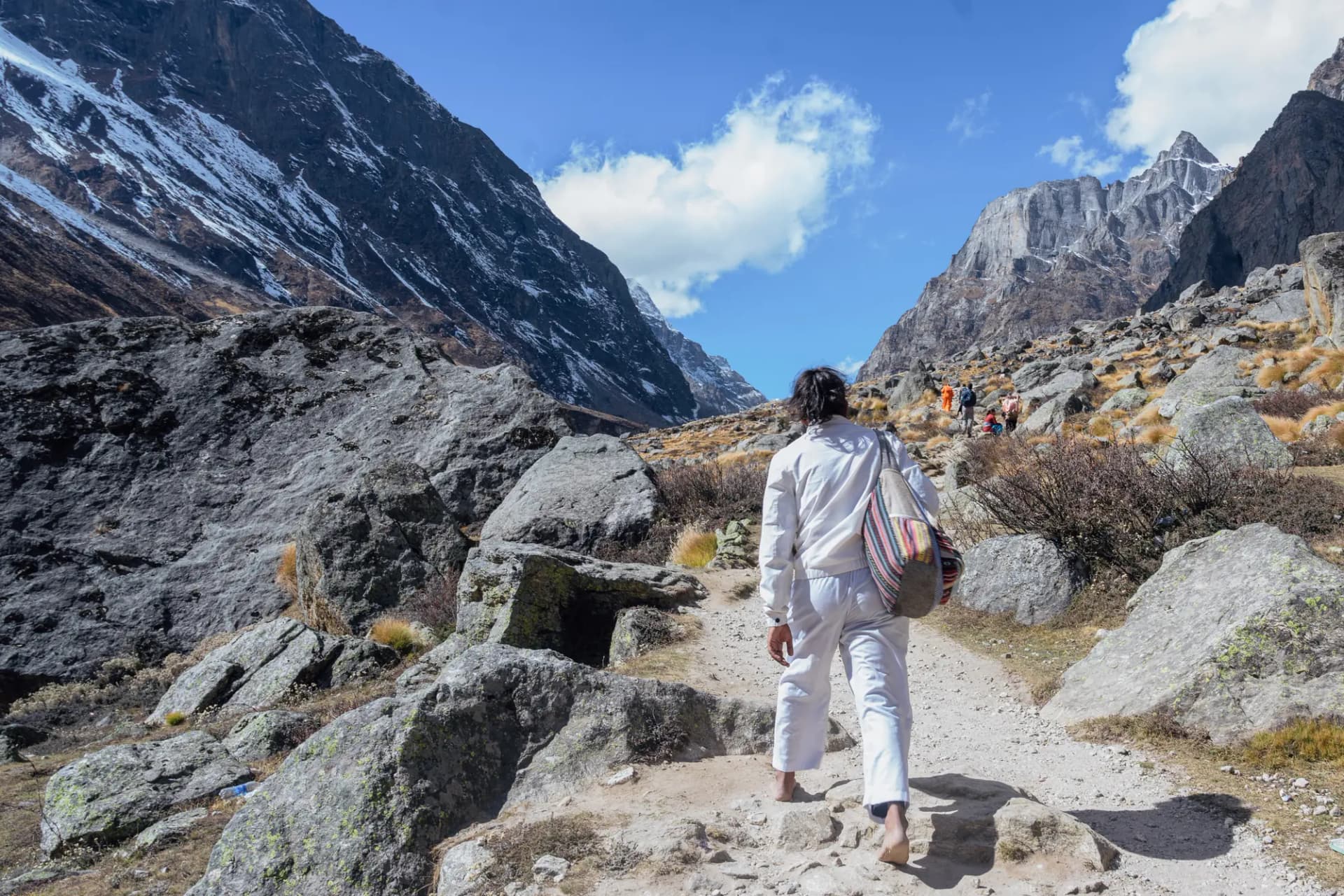
On a Yogamani yatra the group walks at a steady pace, with local guides and time to rest. Distances and altitudes are shared for each route before you join, so you know what each day asks of you.
How to prepare for Char Dham Yatra
Preparation for a Char Dham Yatra starts at home, weeks before you reach Rishikesh. A simple plan to prepare for Char Dham yatra looks like this:
- Build stamina with regular walks, and add uphill walks or stairs in the last few weeks.
- Break in comfortable trekking shoes, and pack layers for cold mornings and sudden rain.
- Practise simple pranayama every day, so the breath stays calm on steep paths.
- Speak to your doctor first if you have a heart, lung or blood-pressure condition.
- Register for the yatra with the Uttarakhand government, as every pilgrim must, and carry your ID.
- Respect the altitude: follow the pace of the group and drink water often.
A detailed packing list is shared for each route. Above all, come ready for early mornings, simple food and simple living. Pilgrim lodges in the mountains are basic, and that simplicity is part of the practice.
A Char Dham Yatra from Rishikesh, walked as a Yogayatra
A Yogamani Char Dham Yatra is not a tour, a trekking package or sightseeing with yoga added on. It is sadhana in motion: practice in how you walk, how you breathe, how you eat and what you notice along the way.
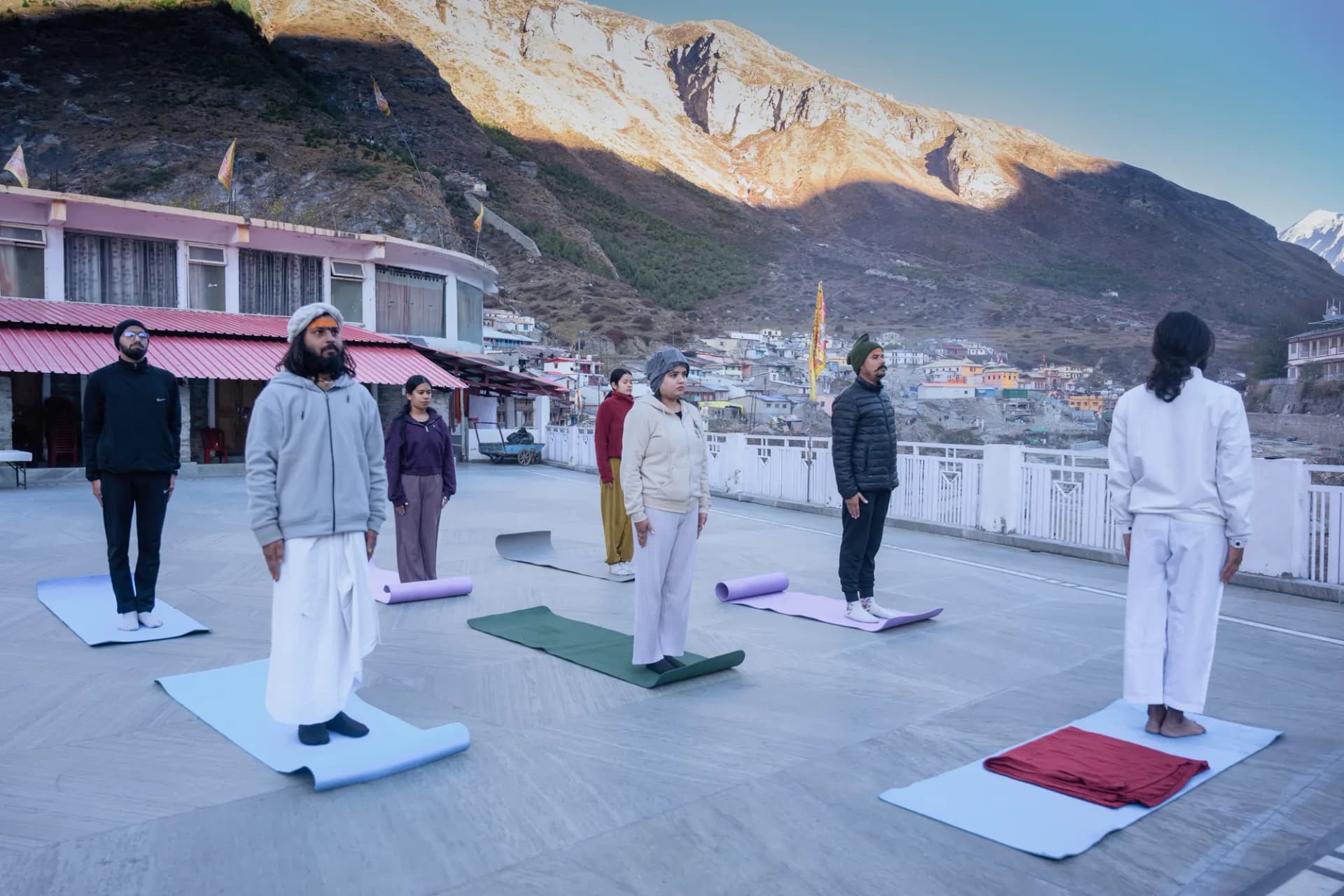
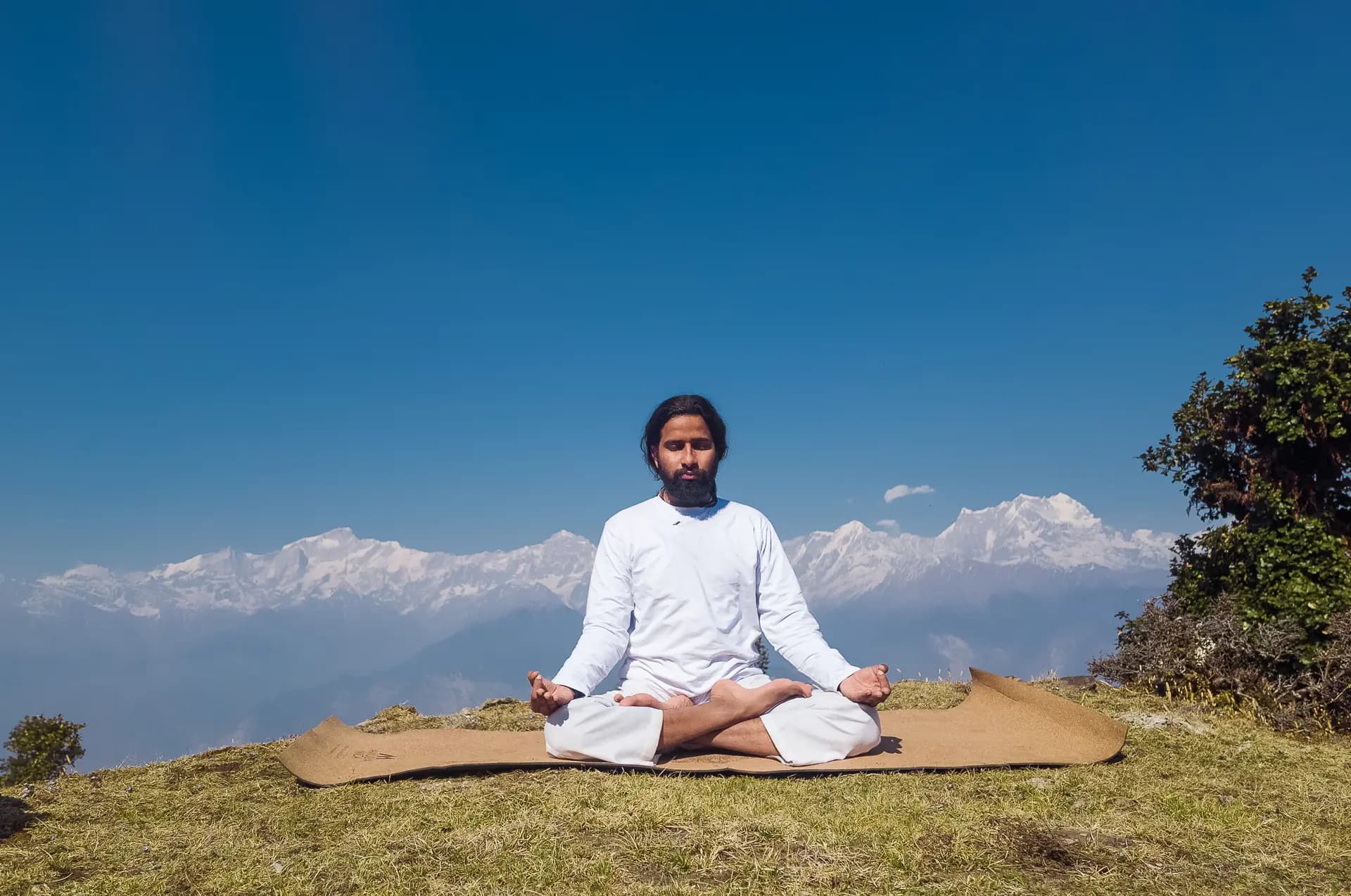
A typical day begins with tea at 5:30 and pranayama and meditation at 6:00, often near a shrine. After breakfast, the group walks from about 9:00 to 15:00, much of it in silence. The afternoon brings rest, then yoga, meditation and japa. The evening ends with aarti at the day's temple, dinner and silence.
The Himalayas were the first teachers. Silence was the first guide. The breath was the first mantra.
The yatras are led by the Yogamani team under Yogaacharya Manish, who spent nearly three years in sadhana at Kedarnath. Groups are kept small on purpose, and walkers are asked to move quietly and carry out what they carry in. Stays are in simple lodges and pilgrim guesthouses, with vegetarian meals.
Frequently asked questions about the Char Dham Yatra
Is the Char Dham Yatra difficult?
It is demanding but possible for most healthy people. The hardest part is altitude, with long days in a vehicle. Kedarnath means a 16 to 18 km walk uphill. Walk regularly for some weeks beforehand, and speak to a doctor if you have a heart, lung or blood-pressure condition.
Can I do only Kedarnath and Badrinath?
Yes. This shorter route is called the Do Dham yatra, and it covers only Kedarnath and Badrinath. It suits people with less time or less stamina for a long journey. Yogamani offers it alongside the full Char Dham route, so ask on WhatsApp which one fits your dates.
Do I need to register for the Char Dham Yatra?
Yes. Every pilgrim must register with the Uttarakhand government before travelling, and registration is checked on the route. Carry the registration and a photo ID with you. When you travel with Yogamani, the team will tell you what to prepare for your chosen route.
Can beginners in yoga join a Char Dham Yogayatra?
Usually, yes, but ask the team first on WhatsApp. The daily pranayama, meditation and yoga are simple practices woven into the walk. What matters more is fitness for walking in the mountains. Beginners often find that the simple daily practice makes the long walks calmer and easier.
Where does the yatra start?
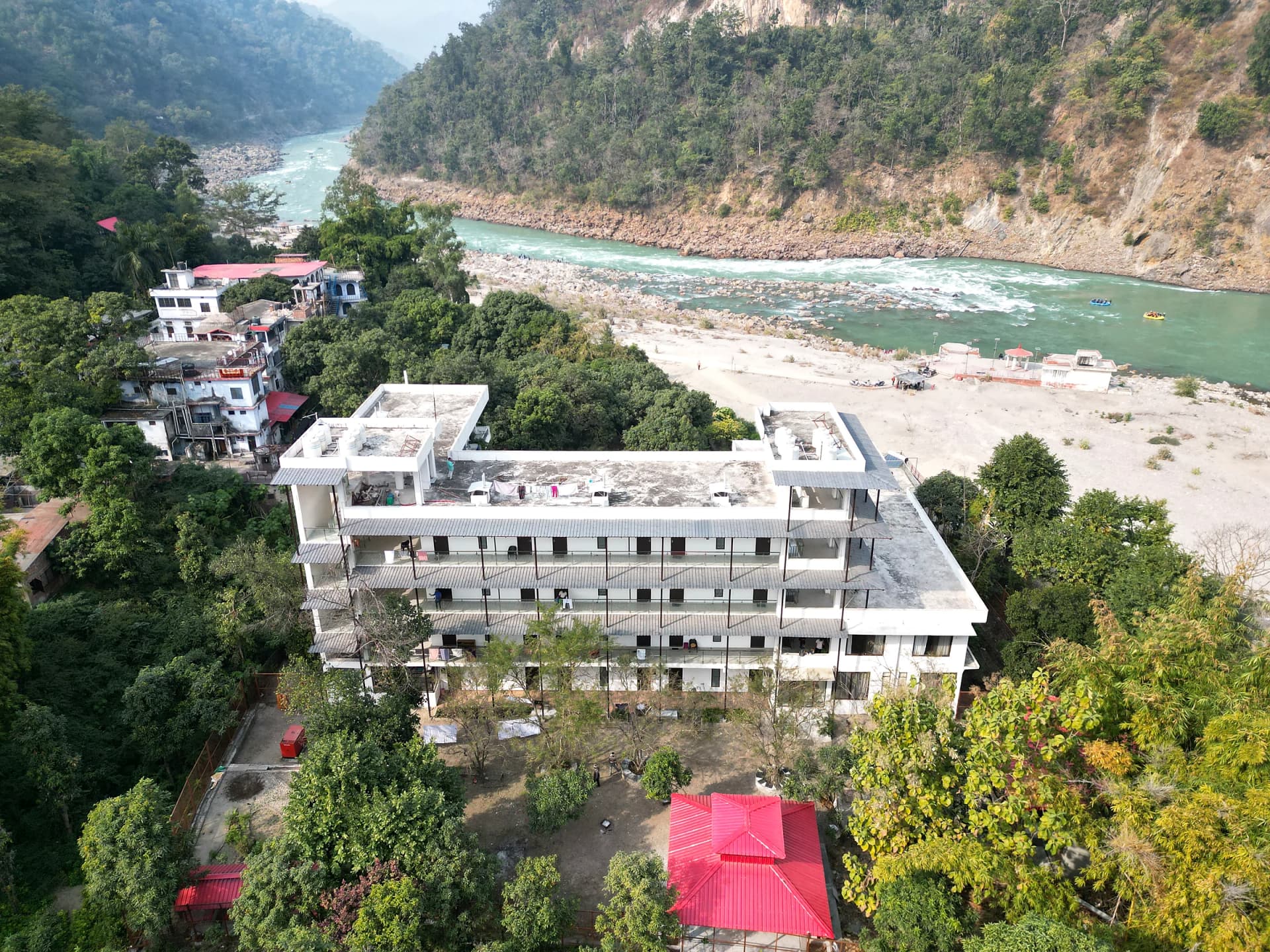
Most Char Dham Yatra journeys start from Rishikesh or Haridwar, the gateways to the Garhwal Himalayas. Many walkers spend a few days in Tapovan, Rishikesh, before they leave, joining drop-in classes at the Yogamani shala to settle into a daily practice.
Related reading
- Panch Kedar yatra: the five temples of Shiva and how to walk them
- Winter yatra in the Himalayas: where to walk from November to April
- Yoga in Rishikesh: the best time to visit, season by season
Walk the Char Dham Yatra with Yogamani
If you would like to walk the Char Dham Yatra or the shorter Do Dham route with Yogamani, see the Char Dham Yogayatra on the Yogayatra page and message the team on WhatsApp. Ask for the full itinerary and the next dates. You can also ask about the Panch Kedar Yogayatra, or begin with a 7 Day Yoga Retreat at the ashram before you go.