Pranayama practice is the yogic study of the breath: slow, steady exercises that teach you to breathe fully and then to guide the breath with care. For beginners, a good pranayama practice starts with the natural breath, adds one or two simple techniques, and grows slowly with a teacher watching.
This guide is pranayama for beginners, written the way it is taught at Yogamani in Upper Tapovan, Rishikesh. It explains what pranayama is, how to begin, which pranayama techniques come first, how to stay safe, and how to keep a daily pranayama practice going once you return home.
What is pranayama?
Pranayama is the fourth of the eight limbs of yoga described in the Yoga Sutras of Patanjali, after the ethical restraints, the observances and asana. The word joins prana, the life force that the breath carries, with ayama, which means to extend or to draw out. Put simply, a pranayama practice is the art of lengthening and refining the breath.
In the Hatha yoga tradition, the breath is the bridge between the body and the mind. When the breath is rough, the mind tends to be restless. When the breath becomes long and quiet, attention settles. A pranayama practice uses this link, gently and with patience, rather than through force.
A pranayama practice is not the same as general breathing exercises for relaxation, although it can include them. It is a classical discipline with a clear order: first posture and awareness, then simple techniques, and only later breath retention, known as kumbhaka.
Why begin a pranayama practice?
People begin a pranayama practice for many reasons. Some want a calmer start to the morning. Some find that their asana practice feels more steady when the breath leads. Teachers and trainees often want to understand the part of yoga that a general course gives the least time to.
Students commonly describe a few changes after some weeks of regular pranayama practice:
- The breath becomes slower and fuller without effort.
- Sitting still for meditation feels easier.
- Attention stays on one thing for longer.
- The mind feels quieter at the end of the session.
These are the everyday experiences of pranayama practice, not medical promises. Pranayama is a support for a steady life, not a treatment. If you have a health condition, speak to your doctor before you begin.
How do beginners start pranayama? A simple plan
Beginners start pranayama by sitting comfortably, watching the natural breath, and then adding one gentle technique at a time. The first weeks are about awareness, not control. Here is a simple plan for your first pranayama practice at home or in class:
- Choose a quiet time, ideally early morning, before breakfast.
- Sit on a folded blanket or cushion with the spine upright but soft. A chair is fine.
- Close your eyes and watch the natural breath for two or three minutes.
- Practise full yogic breath: belly, ribs and chest, in a slow wave.
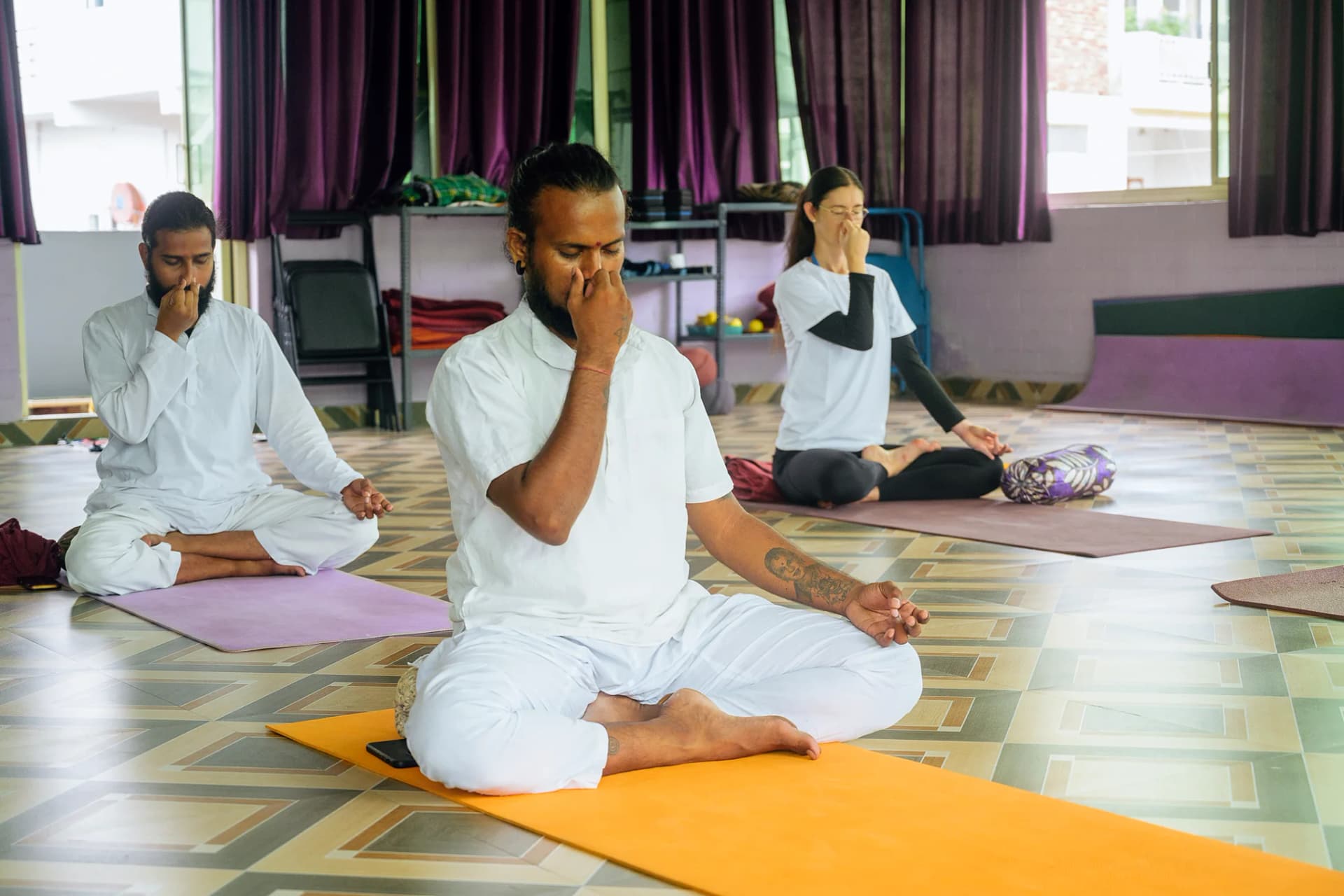
- Add a few rounds of Nadi Shodhana, alternate nostril breathing, without holding the breath.
- End with a minute of Bhramari, the humming breath, then sit quietly.
- Keep the whole session to 10 to 15 minutes, and stop if you feel dizzy or tense.
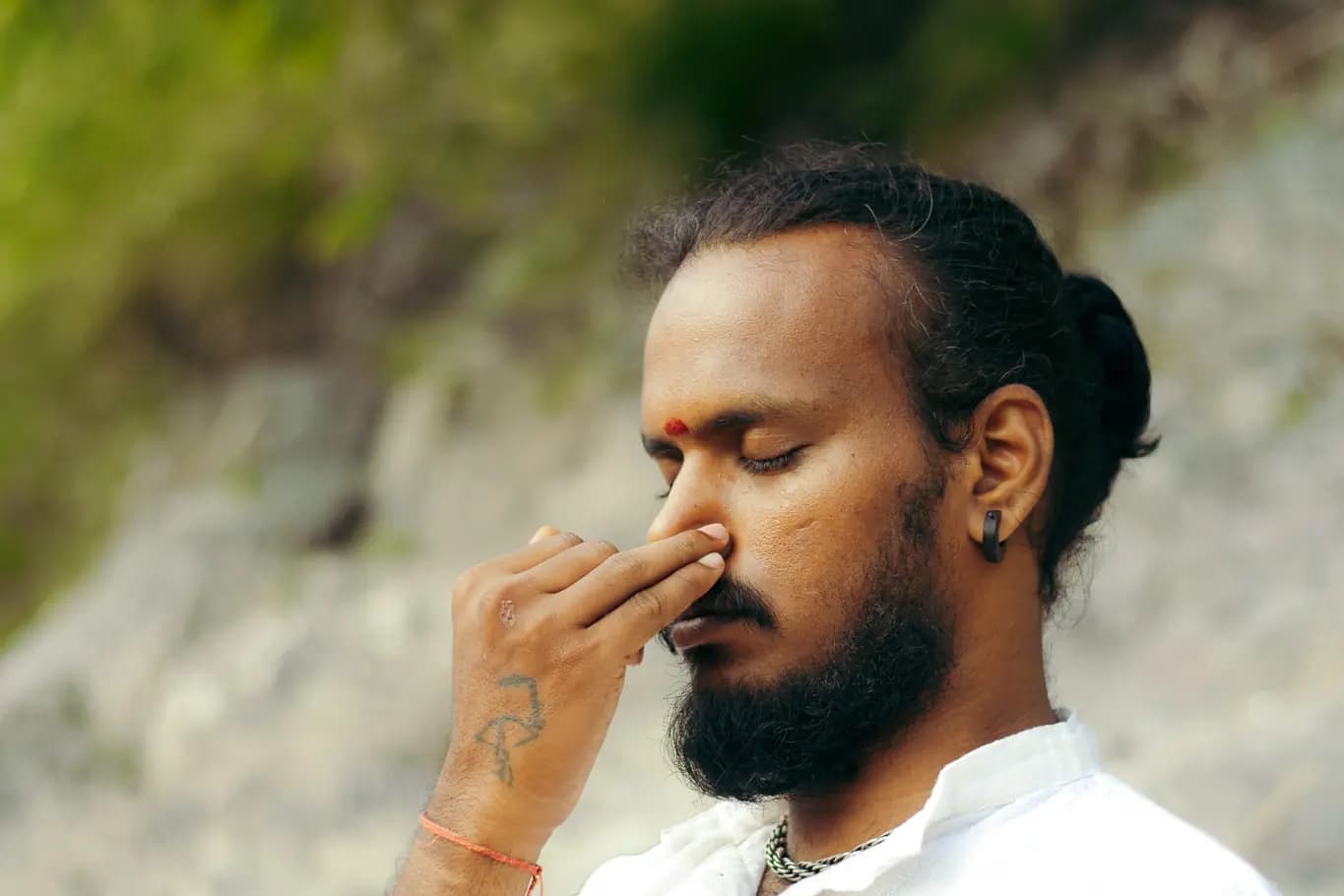
In pranayama practice, consistency matters more than length. Ten quiet minutes every morning will teach you more than an hour once a week. Many teachers suggest keeping a short note of how each session felt, so you can see your pranayama practice change over a month.
Pranayama techniques for beginners
The classical pranayama techniques are many, but beginners need only a few. These are the techniques usually taught first, in roughly the order they are introduced:
- Natural breath awareness: simply watching the breath without changing it.
- Abdominal and full yogic breath: filling the lungs from the belly upward.
- Nadi Shodhana and Anuloma Viloma: alternate nostril breathing, for balance and focus.
- Ujjayi: the soft, oceanic breath also used in Ashtanga Vinyasa practice.
- Bhramari: the humming bee breath, which many beginners find calming.
- Sheetali and Sheetkari: cooling breaths through the tongue or teeth, useful in summer.
Kapalabhati and Bhastrika are more vigorous. They are best learnt in person, in a pranayama class, with a teacher checking that the belly, shoulders and face stay relaxed. Breath retention, kumbhaka, is introduced last, and only once the simple techniques feel easy.
Practise the breath slowly and gently. Comfort first, then length, then control.
Pranayama for beginners: cautions and common mistakes
A safe pranayama practice is always gentle. The most common mistake is to push: breathing in too hard, lifting the shoulders, or holding the breath before the body is ready. If tension appears in the face, the jaw or around the eyes, you have gone past your capacity for that day.
Go gently, or check with a doctor and teacher first, in these situations:
- High or low blood pressure, heart conditions or recent surgery.
- Asthma or other breathing conditions.
- Pregnancy, when forceful techniques and retention are usually avoided.
- Dizziness, a headache or anxiety during practice.
Do your pranayama practice on an empty stomach, in fresh air, and never while driving or in water. Breathe through the nose unless a technique says otherwise. If you ever feel unwell, return to natural breathing and rest.
How long does it take to learn pranayama?
It takes most beginners a few weeks of daily pranayama practice to feel at home with the basic techniques, and many months to refine them. The first changes, a slower breath and a quieter mind, often appear within the first week or two of regular, guided practice.
Guided pranayama practice with a teacher shortens the path. A teacher can see what you cannot: a held jaw, a collapsed chest, or a breath that is quietly strained. That is why a short, focused course is often the best start for pranayama for beginners.
Learning a pranayama practice in Tapovan, Rishikesh
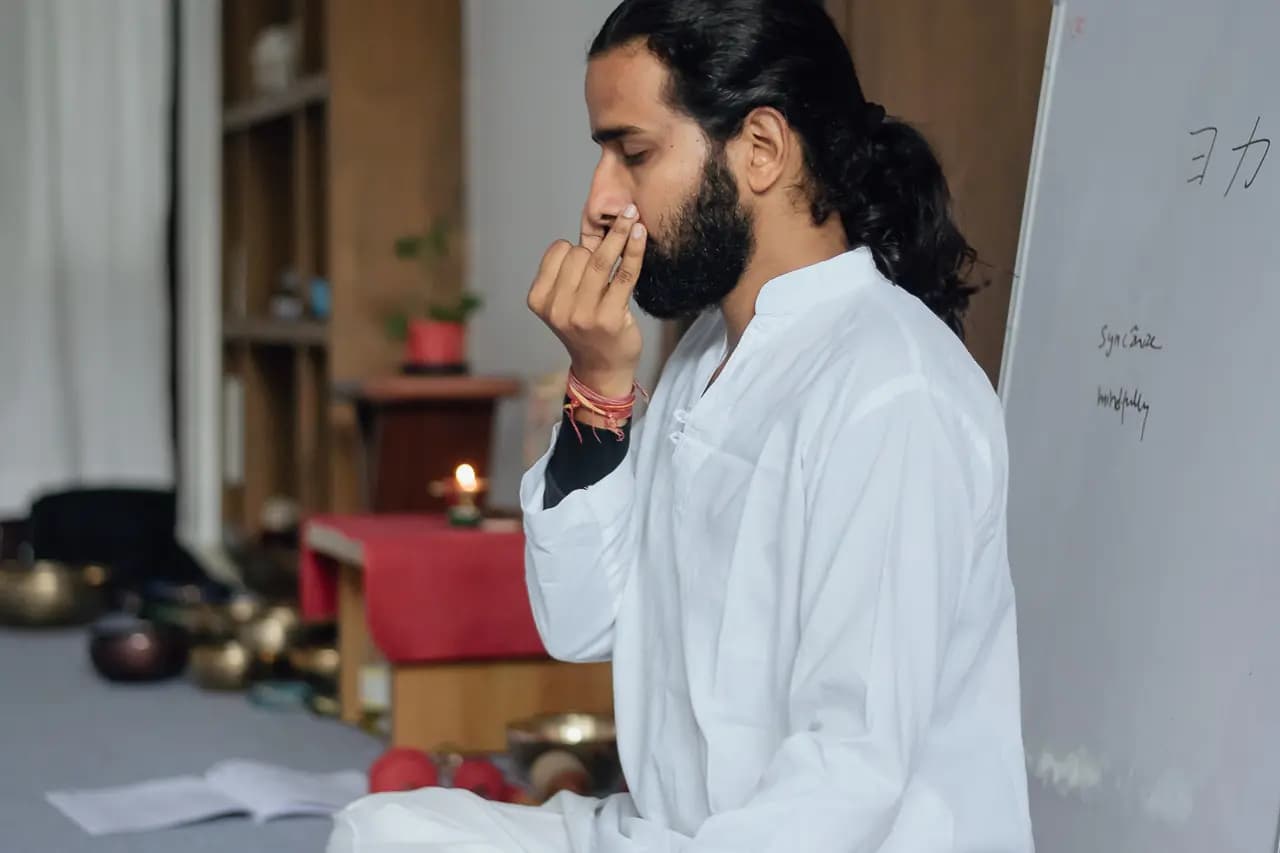
Rishikesh has been a home of yoga study for generations, and Tapovan sits in the hills just above the Ganga. Yogamani teaches pranayama practice there in two ways, both at teacher-training level.
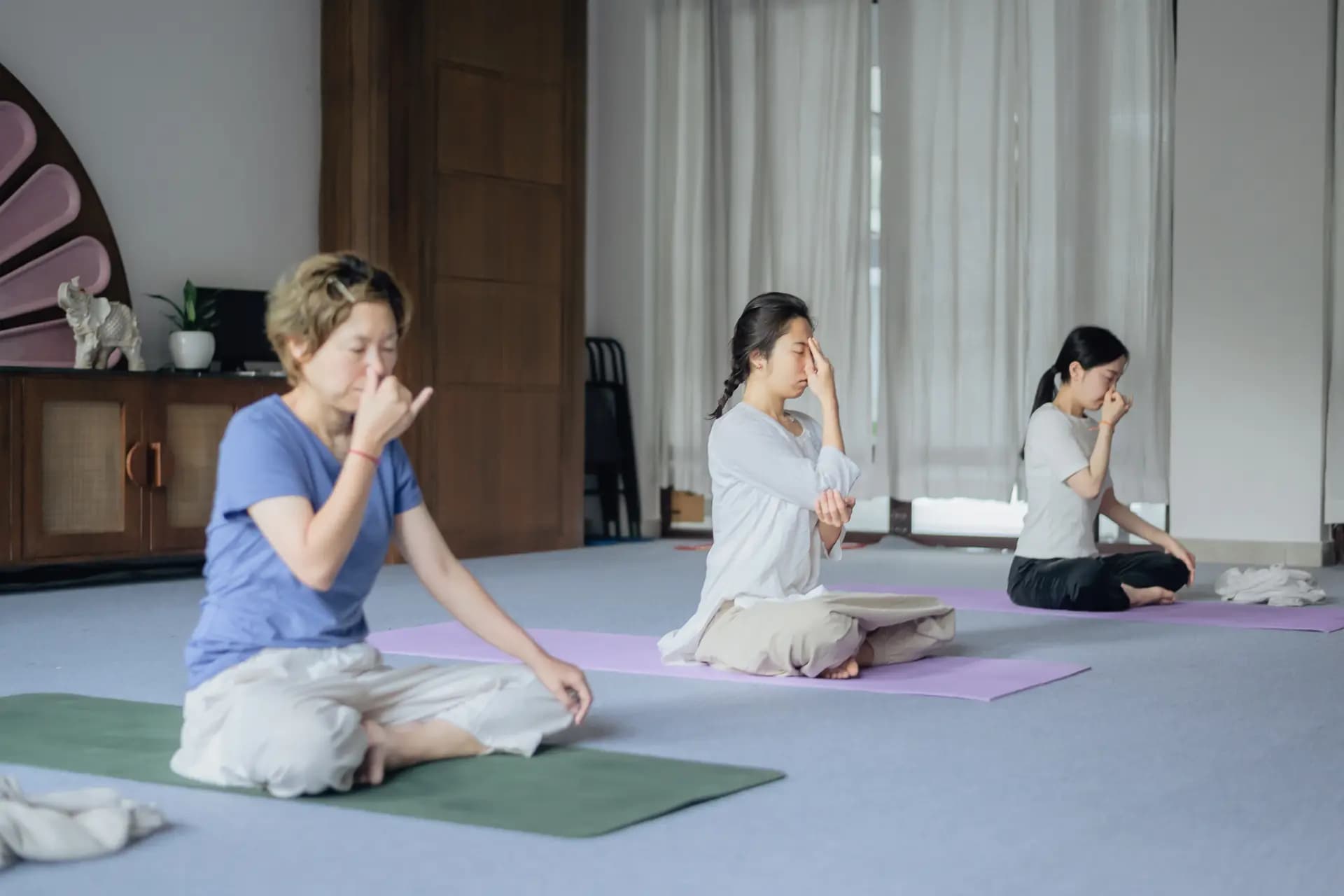
The Pranayama Deep Dive is a pranayama course in Rishikesh for people who want daily study without a full training. It runs every morning from 7:30 to 10:00 am, Monday to Saturday, at Studio 1 in Upper Tapovan, taught by Som Ji. You can stay for one to four weeks. New batches start on the 2nd of every month, with weekly batches too, and a trial class is available.
Each class begins with about an hour and a half of practice, with corrections, followed by theory: what prana is, the five vayus and the three gunas, sitting positions, and who should wait before trying certain techniques. Groups are small, five to ten students, and beginners are welcome.
For those who want to teach, the Pranayama and Meditation Teacher Training, one of the specialised courses, is one immersive week of 50 hours. If you simply want to meet the shala first, the daily drop-in classes in Tapovan run every day, morning and evening, in English and Hindi.
Frequently asked questions about pranayama practice
What is the best pranayama practice for beginners?
Most teachers begin a pranayama practice with natural breath awareness, full yogic breath and Nadi Shodhana without retention. These are gentle, easy to learn and safe for most people. Bhramari, the humming breath, is another good early technique. Add one new technique only when the previous one feels comfortable.
How long should a beginner practise pranayama each day?
Ten to fifteen minutes a day is enough for a beginner. A short, regular pranayama practice every morning builds more steadiness than a long session once a week. As the techniques become comfortable, many students slowly extend their practice to twenty or thirty minutes, ideally with a teacher's guidance.
Can I learn pranayama without a teacher?
You can begin natural breath awareness and simple yogic breathing on your own. The stronger pranayama techniques, such as Kapalabhati, Bhastrika and breath retention, are best learnt in person. A teacher notices strain you cannot feel yourself, and adjusts the practice to your body and health.
When is the best time of day for pranayama?
The traditional time is early morning, before breakfast, when the stomach is empty and the air is fresh. If mornings are difficult, any quiet time works, as long as you wait two to three hours after a meal. Evening pranayama practice should stay gentle, so that it does not disturb sleep.
Do I need yoga experience to join a pranayama course in Rishikesh?
No. The Pranayama Deep Dive at Yogamani is open to beginners, practitioners and yoga teachers. Each batch starts where its students are. If you are unsure, you can join one trial class first, or message the team on WhatsApp with your dates and questions.
Related reading
- Nada yoga: the yoga of sound, explained
- Your first yoga class in Rishikesh: what to bring and what to expect
- Drop-in yoga classes in Rishikesh: how they work and how to choose one
Begin your pranayama practice in Tapovan
If you are coming to Rishikesh and want to learn the breath properly, the Pranayama Deep Dive is a calm, steady place to start, and the Pranayama and Meditation Teacher Training is there if you want to teach. Message Yogamani on WhatsApp with your dates, and the team will suggest the right batch.